

AI CERTS
6 months ago
AI Precision Diagnostics Boost Health Longevity
Health Longevity Core Basics
Biological age differs from birthday age. Meanwhile, AI models convert omics data into actionable numbers. Precision measurement of proteins, methylation, and images underpins modern age clocks. Therefore, clinicians can spot accelerated aging and intervene sooner. Researchers repeat that correlation is not causation. Nevertheless, the field’s momentum keeps building. Ultimately, Health Longevity depends on converting metrics into improved outcomes.
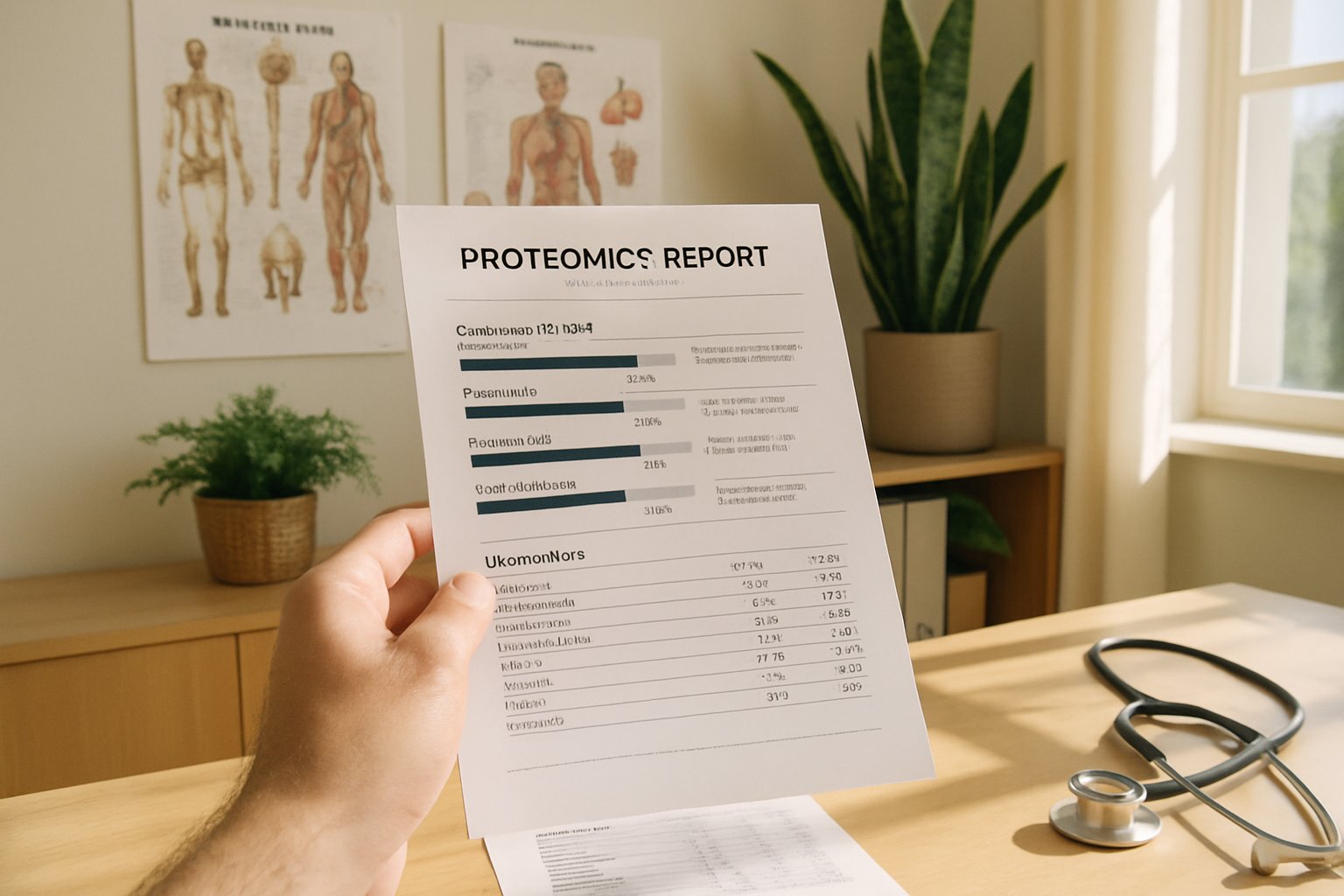
These foundations anchor subsequent innovations. In contrast, they also expose evidence gaps that still worry regulators.
Proteomic Age Clock Breakthroughs
Brain Age Predictive Power
Stanford’s July 2025 Nature Medicine paper examined 44,498 volunteers. Consequently, it evaluated 2,916 plasma proteins per person. The resulting brain clock predicted 182% higher mortality for the most aged brains. Tony Wyss-Coray commented, “The brain is the gatekeeper of longevity.” Additionally, extremely aged brains faced twelve-fold Alzheimer’s risk.
Proteomic Panel Efficiency
Harvard teams trimmed models to 204 proteins, then to 20, while retaining 91% accuracy. Moreover, compact panels cut costs and speed analysis. Precision remains critical because reimbursement models scrutinize value. Proteomic age linked to eighteen age-related diseases across diverse cohorts. Consequently, investors follow Illumina’s $350 million SomaLogic deal, betting on scalable proteomics pipelines.
These breakthroughs advance Health Longevity by providing objective, organ-level insights. However, they also demand standardized assays before broad deployment.
Digital Biomarker Advances Rising
FaceAge Clinical Potential
Harvard’s FaceAge predicts biological age from a single selfie. Subsequently, it improved six-month survival prediction for cancer patients when combined with clinical data. Hugo Aerts noted that looks may reflect biology. Nevertheless, image models risk bias across skin tones. Therefore, diverse datasets and external validation remain essential.
Wearable photoplethysmography also estimates vascular age. Furthermore, voice and gait signals are entering pilot trials. Precision digital biomarkers promise low-cost, frequent monitoring. Yet privacy concerns about facial data persist. Platforms must secure consent and encryption.
Digital tools expand Health Longevity monitoring beyond clinics. However, regulators insist on rigorous evidence comparable to laboratory tests.
Market And Deal Trends
Acquisition Driven Consolidation
The precision diagnostics market nears $110 billion and grows at mid-teens rates. Moreover, AI sub-segments could exceed $10 billion by 2030 at 20% CAGR. Consequently, incumbents are buying specialized platforms. Illumina’s SomaLogic acquisition aims to integrate next-gen sequencing with proteomics. Additionally, Insilico and Deep Longevity raised fresh capital for aging pipelines.
- Stanford brain clock licensing spawned Teal Omics and Vero Bioscience.
- GRAIL’s Galleri trial targets Medicare coverage for multi-cancer screening.
- Start-ups offer subscription age reports to consumers.
Commercial moves accelerate Health Longevity product cycles. Nevertheless, they heighten scrutiny on validation and conflicts of interest.
Regulatory Shifts And Impacts
The FDA released draft guidance on AI-enabled devices in January 2025. Therefore, developers must include predetermined change control plans and bias mitigation strategies. Moreover, post-market surveillance becomes mandatory. CMS ties reimbursement to real-world evidence, exemplified by Galleri’s REACH study. Consequently, companies design trials that capture clinical utility and cost-effectiveness.
Professionals can enhance their expertise with the AI+ Sales™ certification. Additionally, industry webinars dissect new compliance expectations. Precision documentation now influences investor confidence.
Regulatory clarity supports Health Longevity momentum. However, meeting lifecycle obligations requires sustained resources.
Opportunities And Next Steps
Experts see three near-term opportunities:
- Combine proteomic, epigenetic, and imaging clocks for multi-omics accuracy.
- Embed digital biomarkers within telemedicine for continuous risk tracking.
- Launch randomized trials that test interventions based on age clock feedback.
Moreover, health economists urge cost-utility analyses before widespread screening. Investors, consequently, demand robust reimbursement models. Academic groups plan open benchmarks to compare algorithms transparently. Meanwhile, patient advocates push for privacy safeguards.
These steps could mainstream Health Longevity solutions while safeguarding equity. In contrast, ignoring them may erode public trust.
Key takeaways: Precision proteomics, digital biomarkers, and supportive regulations align to extend healthy years. However, clinical utility proof remains the critical milestone.
Disclaimer: Some content may be AI-generated or assisted and is provided ‘as is’ for informational purposes only, without warranties of accuracy or completeness, and does not imply endorsement or affiliation.


