

AI CERTS
2 months ago
xAI’s Voice Cloning API Redefines Rapid Speech Synthesis
Consequently, product teams can shift from idea to talking prototype within minutes, not days. This article inspects the technical details, economics, risk landscape, and strategic impact. Furthermore, it offers guidance for engineers and policy leads evaluating deployment options. In contrast to earlier voice vendors, xAI positions cost transparency as a core advantage. Meanwhile, regulators remain alert to voice deepfake abuse, making governance choices equally urgent.
Launch Timing Details
xAI published the launch blog between 30 April and 2 May 2026. Moreover, documentation timestamps coincide with that window, confirming public availability. The post pairs Grok 4.3 with the branded Custom voices suite. Consequently, early adopters gained simultaneous access to the new language model and voice workflow.
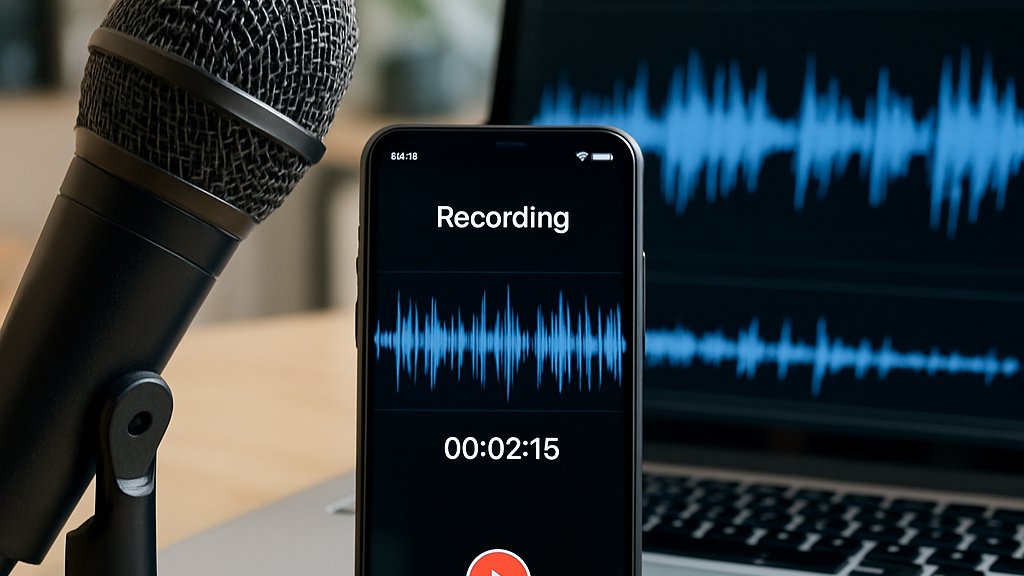
Demos posted on X displayed two near-indistinguishable clips, teasing quality claims. Meanwhile, journalists shared console videos showing clones ready in under two minutes. Such speed shifts expectations in call centers and game studios alike. Therefore, timing and media coordination signaled xAI’s competitive intent.
The tight rollout tied model and voice features into one headline. Next, we explore technical specifications that underpin those headlines.
Core Technical Specs
At the center lies a straightforward Voice Cloning API creation flow. Developers upload an audio reference clip, no longer than 120 seconds, through the console. In contrast, a 90-second sample yields noticeably richer prosody, according to documentation. Subsequently, the service returns an eight-character voice_id scoped to the team.
That voice_id plugs directly into POST /v1/tts, the streaming WebSocket, or the realtime Voice Agent websocket. Additionally, teams may create up to 30 custom voices before hitting console limits. The original audio reference file can later be downloaded or deleted through the management API. Nevertheless, programmatic clone creation remains gated to Enterprise plans during the first phase.
- 80+ preset voices across 28 languages
- 120-second maximum reference length
- 30 custom voices per team
- 1M token context window in Grok 4.3
- Voice Cloning API returns voice_id instantly
These figures illustrate a developer-friendly balance between power and restraint. However, cost often decides adoption, so we now examine unit economics.
Pricing And Unit Economics
xAI undercuts several incumbents on both text and voice pricing. Grok 4.3 processes input tokens at $1.25 per million and outputs at $2.50. Furthermore, Text-to-Speech runs at $4.20 per million characters, below many headline rates. Realtime Voice Agent minutes equate to $3.00 per hour, enabling longer assistant sessions. Such numbers make the Voice Cloning API attractive for scale-out narration.
Importantly, the Voice Cloning API charges no extra cloning fee at launch. Consequently, a marketing team cloning ten voices incurs cost only when synthesizing speech. Moreover, unchanged billing across preset and Custom voices simplifies forecasting. In contrast, some rivals still impose per-voice creation surcharges.
- Clone creation: $0
- TTS usage: $4.20 / 1M characters
- Voice Agent: $3.00 / hour
- Transcription: $0.20 / hour
Altogether, the table reinforces xAI’s aggressive stance on margin pressure. Next, we walk through the workflow developers will actually touch.
Developer Workflow Overview Guide
A clear workflow reduces friction. First, gather a clean audio reference, ideally free of background noise and compression artifacts. Then upload through the console wizard or the multipart POST /v1/custom-voices endpoint of the Voice Cloning API. Subsequently, copy the returned voice_id into your TTS or agent request payload.
Furthermore, speech tags such as <laugh> or <whisper> enrich expressiveness without re-training a clone. Developers running live assistants stream synthesized audio back in 200-millisecond chunks. Meanwhile, webhook tools let Grok 4.3 invoke external functions during a dialogue turn. Therefore, the same platform covers content reading, phone IVR, and agentic support calls.
The pathway demands minimal code yet offers deep extension points. However, technical capability means little without clear governance, so we assess threats next.
Market And Risk Context
Analysts praise velocity but caution against unintended harm. Short-sample cloning lowers barriers for scammers crafting persuasive robocalls. Moreover, policy groups cite election interference examples in recent congressional letters. Consequently, xAI restricts Custom voices to the United States, excluding Illinois under biometric laws.
Additionally, per-team console limits and deletion controls support internal governance. Nevertheless, experts urge stronger identity checks during clone creation. Audit logs remain proprietary, limiting external verification. In contrast, proposed watermarking standards for images still lack audio counterparts.
Professionals may boost governance skills through the AI Policy Maker™ certification. Such training prepares leaders to draft consent flows and risk assessments quickly.
Risks will shadow any powerful Voice Cloning API going live. Nevertheless, structured safeguards can turn caution into competitive advantage, leading us to competition analysis.
Competitive Landscape Snapshot Brief
ElevenLabs, Google, and OpenAI already offer polished speech stacks. However, xAI beats several on price and context window length. Grok 4.3 manages one million tokens, supporting long calls without window resets. Meanwhile, integrated pricing aligns LLM and voice costs, simplifying vendor consolidation.
Third-party audio evaluations are still scarce. Moreover, early side-by-side tests rely on vendor demos rather than blinded ratings. Consequently, institutions plan formal intelligibility and naturalness studies this quarter. Until data arrives, differentiation hinges on speed, openness, and the Voice Cloning API name.
xAI executives stress tool calling as another moat. Developers appreciate that the same account brings vector search, function calls, and speech synthesis. Additionally, low TTS latency competes with ElevenLabs' best real-time modes. Therefore, platform stickiness may rise despite rivals' brand recognition.
Competitive momentum will depend on measured quality and transparent safeguards. Finally, we distill strategic lessons for decision makers.
xAI’s release pairs an enlarged LLM with an accessible Voice Cloning API at aggressive price points. Custom voices become production ready in minutes using a modest audio reference. Furthermore, Grok 4.3 offers the long contexts needed for agentic, multimodal products. Nevertheless, misuse threats and patchy regulation create parallel responsibilities for builders and policy teams.
Therefore, organizations should marry technical experimentation with certified governance expertise. Explore emerging standards, compare audio benchmarks, and consider pursuing the linked certification to lead responsibly. Act now to test, evaluate, and refine voice experiences before the competition finds its own edge.
Disclaimer: Some content may be AI-generated or assisted and is provided ‘as is’ for informational purposes only, without warranties of accuracy or completeness, and does not imply endorsement or affiliation.


