

AI CERTS
2 months ago
ProPublica Strike Reveals AI Workforce Flashpoints
ProPublica management says published AI principles already protect accuracy and privacy. Meanwhile, the Union argues those principles lack contractual teeth. Journalists fear hidden algorithmic tools could trigger future layoffs or erode editorial trust. Therefore, the dispute resonates far beyond one nonprofit newsroom. In contrast, some outlets quietly integrate models without public pushback. This article unpacks the stakes, data, and next steps.
Walkout Signals Industry Shift
Reporters, developers, and audience specialists joined picket lines in New York, Washington, and Chicago. Moreover, 92 percent of eligible members had authorized the action weeks earlier. Consequently, placards referenced algorithms, transparency, and reader trust rather than traditional bread-and-butter demands. ProPublica leaders Tyson Evans and Alexis Stephens insisted discussions remained productive despite the walkout. Nevertheless, the Union highlighted two-and-a-half years of stalled bargaining.
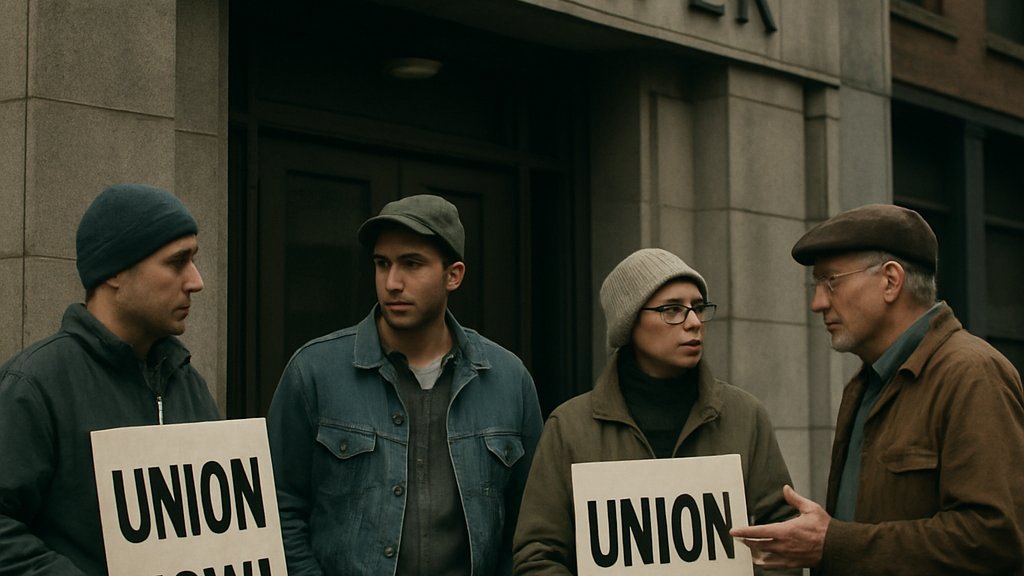
Attendance reached roughly 150 workers, matching nearly the entire newsroom headcount. Furthermore, supporters across Journalism sent 4,200 petition signatures within hours. The visible solidarity underscored how swiftly AI anxieties mobilize the contemporary AI Workforce. Those demonstrations concluded after 24 hours, yet talks have intensified since.
These events show collective leverage around tech governance. However, deeper contractual flashpoints remain unsettled. Consequently, attention now shifts to the bargaining table.
Core Bargaining Flashpoints Rise
Negotiations currently pivot on four pillars: pay, layoffs, just cause, and AI governance. Additionally, the Guild wants explicit contract language dictating human verification for any machine-generated copy. Management counters with published principles that it may update unilaterally.
However, workers note that principles lack enforcement mechanisms. In contrast, contract clauses could trigger arbitration if breached. Therefore, the Union seeks language barring layoffs blamed on algorithms and requiring disclosure when AI drafts material.
ProPublica emphasizes it has never executed layoffs in its 18-year history. Nevertheless, staffers worry future budget contractions could test that record. Moreover, they argue institutional knowledge forms the backbone of rigorous Journalism.
Both sides agree accuracy matters. Yet, the scope of protections for the AI Workforce divides them. Meanwhile, management has framed its stance around flexibility.
Management Counters With Flexibility
Executives argue multiyear agreements must accommodate rapid model evolution. Consequently, they prefer principle statements revised through internal committees. Furthermore, ProPublica has offered expanded severance as a hedge against unforeseen disruption.
However, the Union considers severance reactive, not preventive. Additionally, it filed an unfair-labor-practice charge alleging the company adopted AI rules without bargaining. The National Labor Relations Board is now reviewing that complaint.
Therefore, legal pressure complements picket signs. Nevertheless, management maintains openness to compromise if contractual language avoids technological lock-in.
Leadership wants room to innovate. Conversely, workers prioritize enforceable safeguards for the AI Workforce. Subsequently, industry peers evaluate their own positions.
Broader Newsroom AI Landscape
Across the industry, at least 57 NewsGuild contracts already embed AI clauses. Moreover, Associated Press data shows momentum accelerating since generative tools hit mainstream. Consequently, every Journalism leader now monitors precedent.
ProPublica is unique because it has avoided layoffs so far. In contrast, several metropolitan dailies cut dozens after automating aggregation desks. Therefore, codified limits on algorithmic replacement appear increasingly attractive to the AI Workforce.
Stakeholders most often negotiate four recurring safeguards.
- Human oversight for AI output
- Disclosure of AI contributions
- Ban on AI-driven layoffs
- Restrictions on digital replicas
Additionally, some contracts set up joint committees to track tool performance across beats.
Industry data suggests language adoption will accelerate. Meanwhile, strike outcomes could guide future negotiations elsewhere. Consequently, data analysis becomes critical for both camps.
Data Behind Strike Momentum
Numbers help clarify scale. Moreover, 4,200 public signatures supported the walkout within its first afternoon. That figure rivals many regional subscription bases.
Additionally, the 92 percent strike-authorization margin surpassed several recent newsroom votes. Therefore, the Union entered talks bolstered by clear member consensus.
Meanwhile, management points to an 18-year streak without layoffs to signal stability. Nevertheless, staffers highlight accelerating costs of AI adoption, including auditing output for errors. Consequently, the expanding AI Workforce views those numbers as proof that organizing delivers results.
Quantitative indicators reinforce labor confidence during mediation. Subsequently, legal avenues enter the spotlight. Therefore, stakeholders watch the National Labor Relations Board closely.
Legal And Future Stakes
The unfair-labor-practice charge claims ProPublica changed working conditions without bargaining. Moreover, the NLRB could order rescission or back pay if it agrees.
However, decisions typically take months. Consequently, both sides may settle before a formal ruling. Additionally, precedent indicates similar disputes often conclude with clarified contract appendices.
Nevertheless, Susan DeCarava predicts concentrated conflicts will multiply as the AI Workforce expands. In contrast, some publishers hope voluntary guidelines will suffice.
Professionals can enhance their expertise with the AI+ Human Resources Leader™ certification. Such credentials help managers align talent policies with evolving regulation.
Regulatory scrutiny adds external pressure. Yet, skill development offers practical mitigation. Finally, attention turns to workforce preparedness.
Upskilling The AI Workforce
Organizations cannot rely on policy alone. Moreover, proactive training ensures staff understand model limits, bias risks, and verification workflows.
Consequently, newsroom leaders are pairing ethics briefings with technical tutorials. Additionally, cross-functional crews test emerging systems in controlled sandboxes before newsroom deployment.
Therefore, career paths now blend editorial judgment with prompt engineering skills. Journalism professors already integrate algorithmic literacy modules, preparing graduates for a mixed human-machine newsroom.
Meanwhile, unions emphasize that upskilling must complement, not replace, human employment guarantees. ProPublica has funded fellowships that explore responsible automation, yet contractual clarity remains pending.
Continuous learning sustains competitive reporting. Nevertheless, balanced contracts still anchor trust across the AI Workforce.
Conclusion
AI disputes continue to redefine labor relations within investigative newsrooms. However, the ProPublica walkout shows that collective action can secure meaningful safeguards. Furthermore, data reveals rising public support and broad industry imitation. Consequently, managers and unions must balance innovation, transparency, and human dignity. Therefore, the AI Workforce will flourish only when skills growth aligns with enforceable rights. Professionals seeking deeper expertise should explore the linked certification and monitor upcoming NLRB findings. Take proactive steps today and shape responsible newsroom automation.
Disclaimer: Some content may be AI-generated or assisted and is provided ‘as is’ for informational purposes only, without warranties of accuracy or completeness, and does not imply endorsement or affiliation.


