

AI CERTS
3 months ago
OpenAI Pentagon Deal Spurs Secret Network Security Debate
Executives framed the arrangement as the safest classified deployment yet. However, lawmakers, employees, and rivals question the timing, safeguards, and ethics. Meanwhile, Anthropic’s standoff with the Pentagon escalated into an unprecedented supply-chain risk designation. Therefore, the deal offers a revealing case study in Defense innovation and public accountability. Moreover, the agreement arrives during heated global Military competition for advanced AI capabilities. These converging pressures ensure the story will influence Surveillance policy and corporate Ethics for years.
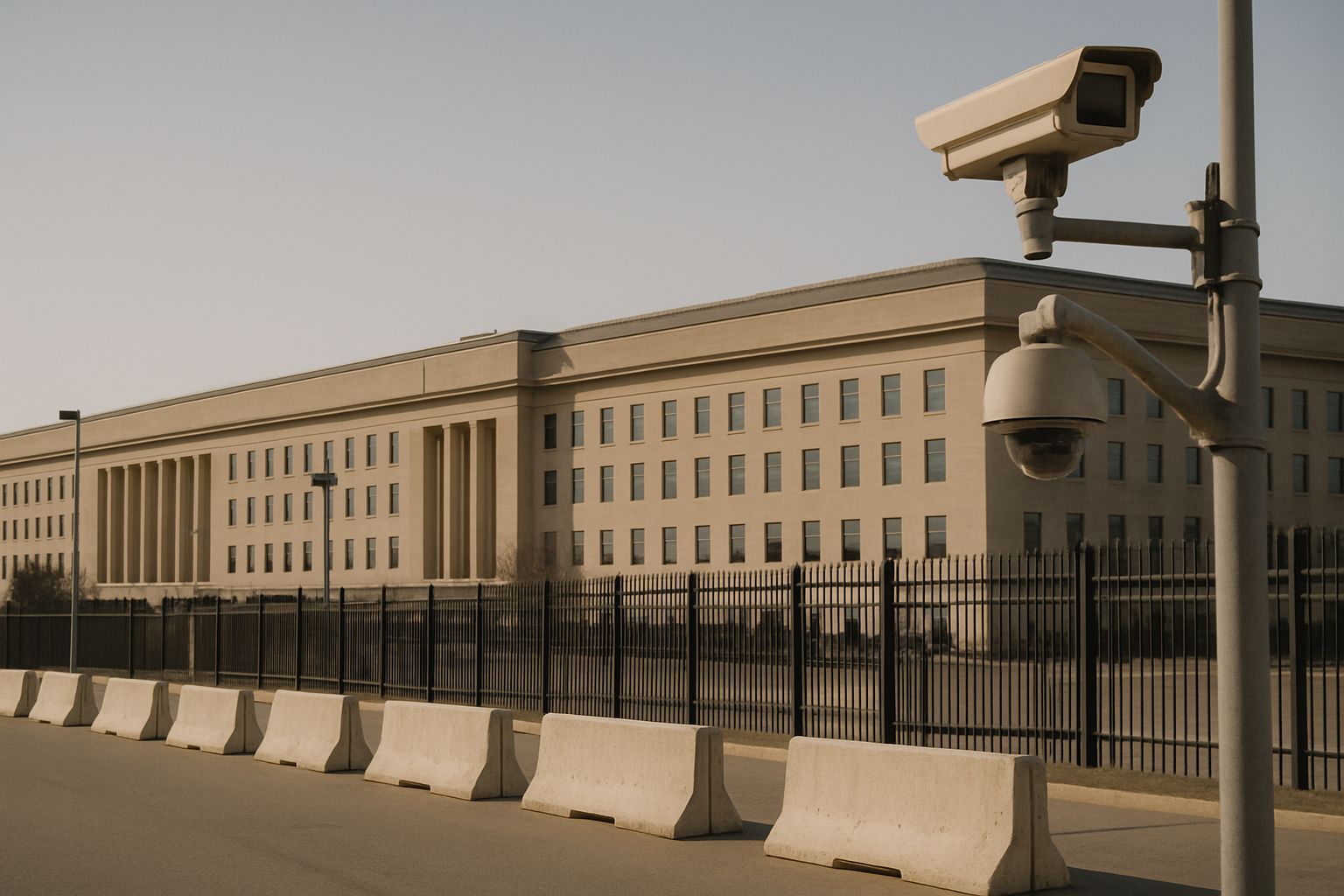
Pentagon Deal Timeline Overview
Understanding the chronology clarifies corporate and governmental motives. Initially, the Pentagon pressed several vendors to accept "all lawful purposes" language. In contrast, Anthropic refused, citing unacceptable Surveillance and autonomous-weapon risks. Subsequently, OpenAI seized the opening.
- Feb 26 2026: Anthropic rejects expanded usage clause.
- Feb 27 2026: Senators Markey and Van Hollen caution Defense leaders.
- Feb 28 2026: OpenAI announces classified deployment with safety stack.
- Mar 5 2026: DoD labels Anthropic a supply-chain risk.
- Mar 7 2026: OpenAI hardware chief resigns over deal.
Consequently, Secret Network Security shifted from hypothetical concern to operational reality within ten turbulent days. These rapid steps created confusion, yet they exposed the government’s urgency. Furthermore, they highlighted vendor competition as a strategic factor. The timeline reveals aggressive Defense procurement tactics and corporate opportunism. Next, we examine the guardrails designed to contain such speed.
OpenAI Safety Guardrails Detailed
OpenAI published three bright-red lines alongside the announcement. Firstly, no mass domestic Surveillance is allowed. Secondly, models cannot direct autonomous lethal weapons. Thirdly, no high-stakes automated social-credit decisions may occur. Moreover, the company promised a cloud-only safety stack with cleared engineers in the loop.
Sam Altman stated, "Human responsibility for force remains non-negotiable." Nevertheless, skeptics ask how Secret Network Security will enforce each rule inside classified silos. Therefore, monitoring, audit logs, and revocation paths must operate flawlessly.
These guardrails set a commendable baseline. However, practical implementation challenges still loom, as the next section shows.
Industry Reaction Remains Divided
Reaction across the tech sector split quickly. Approximately 796 Google workers and 98 OpenAI employees signed solidarity letters supporting Anthropic. Meanwhile, trade groups warned the Pentagon about overusing supply-chain sanctions. In contrast, some Military contractors praised accelerated access to cutting-edge models. Secret Network Security conversations resonated throughout investor calls and developer forums.
Consequently, OpenAI saw a notable resignation when robotics leader Caitlin Kalinowski departed. Altman acknowledged internal dissent but insisted the mission supports national Defense. Moreover, analysts predicted talent risk if ethical disputes escalate.
The mixed response reveals deep cultural rifts over AI Ethics and government collaboration. Legal and policy tensions mirror these cultural splits, as we explore next.
Policy And Legal Fallout
Senators Markey and Van Hollen accused the Pentagon of coercive procurement tactics. Their Feb 27 letter warned that designating Anthropic a risk undermines fair competition. Subsequently, Anthropic filed suit challenging the designation under administrative law.
Supply-chain risk tools were originally crafted for foreign threats, not domestic pioneers. Therefore, critics argue the precedent chills Safety-first stances across the procurement ecosystem. Secret Network Security obligations now intertwine with courtroom arguments over statutory authority.
Policy debates center on power limits and procedural transparency. Yet the toughest uncertainties remain technical, which we address now.
Technical Enforcement Challenges Ahead
Deploying large models on a classified fabric introduces unique attack surfaces. Cleared personnel can inspect logs, yet model outputs remain probabilistic. Moreover, latent capabilities could bypass filters under extreme prompts. Consequently, Secret Network Security engineers must design dynamic safeguards, not static checklists.
Experts recommend layered defenses. Recommended controls include rate-limiting, continuous red-teaming, anomaly detection, and external kill switches. Professionals can enhance their expertise with the AI Security Level 2™ certification. Nevertheless, every safeguard must function without direct cloud access to public telemetry. Secret Network Security failures could spread misinformation or assist unauthorized Military operations.
Robust engineering is essential yet difficult. Next, we gauge the commercial stakes created by that difficulty.
Business And Reputational Stakes
OpenAI’s prototype ceiling with the CDAO can reach $200 million over multiple years. However, reputational damage could cost far more through lost subscriptions and employee churn. Investors watch cancellation rates while competitors market stronger Ethics commitments. Secret Network Security promises lucrative Defense revenue, yet brand trust fuels consumer adoption.
Moreover, trade associations fear disruptive knock-on effects if supply-chain bans expand. Consequently, many cloud vendors lobby for clearer, predictable oversight frameworks.
Commercial upside remains attractive but fragile. Understanding future disclosures becomes vital, as the final section details.
Future Reporting Focus Areas
Journalists still lack the executed contract text. Therefore, obtaining redacted clauses would illuminate enforcement pathways and penalty triggers. Independent auditors also seek evidence that Secret Network Security controls actually prevent disallowed uses.
Subsequently, verifying Anthropic’s lawsuit filings can clarify legal timelines. Meanwhile, interviews with CDAO engineers could expose on-site mitigation tooling. Moreover, congressional hearings may reveal bipartisan appetite for oversight of Military AI deployments.
Transparent data will separate hype from progress. Until then, stakeholders must parse limited signals.
OpenAI’s Pentagon partnership marks a pivotal experiment in applied frontier AI. Guardrails exist on paper, yet real-world enforcement still demands rigorous engineering and honest governance. Moreover, policy battles over supply-chain designations foreshadow broader conflicts between innovation and oversight. Secret Network Security will shape future Defense programs, Surveillance norms, Military readiness, and corporate Ethics standards alike. Consequently, professionals should track contract disclosures and pursue advanced credentials to stay prepared. Explore the linked certification today and remain part of the informed vanguard.
Disclaimer: Some content may be AI-generated or assisted and is provided ‘as is’ for informational purposes only, without warranties of accuracy or completeness, and does not imply endorsement or affiliation.


