

AI CERTS
1 hour ago
India’s Escalating Biometric AI Regulation Push
Therefore, the coming months will test whether new regulatory controls can balance trust and innovation. This article examines the drivers, debates, and implementation roadblocks shaping India's tougher stance. Furthermore, we outline what professionals must know to stay compliant and resilient.
Biometric AI Regulation Momentum
Historically, India relied on broad IT legislation instead of dedicated AI statutes. However, MeitY's India AI Governance Guidelines signalled a layered approach centred on sectoral specificity. Subsequently, the February 2026 amendment inserted synthetically generated information into the IT Rules. It also imposed three-hour takedown clocks on unlawful deepfakes, creating urgent compliance demands. Moreover, the rules mandate provenance labels for manipulated media distributed through biometric devices and other endpoints. These obligations position India among the first large economies enforcing time-bound removal of synthetic content. Simultaneously, CERT-In has started drafting standard operating procedures for notice verification and evidence preservation. Consequently, the regulatory momentum shows no sign of slowing. Next, we explore how enterprises are adapting to these sweeping regulatory controls.
Industry Compliance Pressures Mount
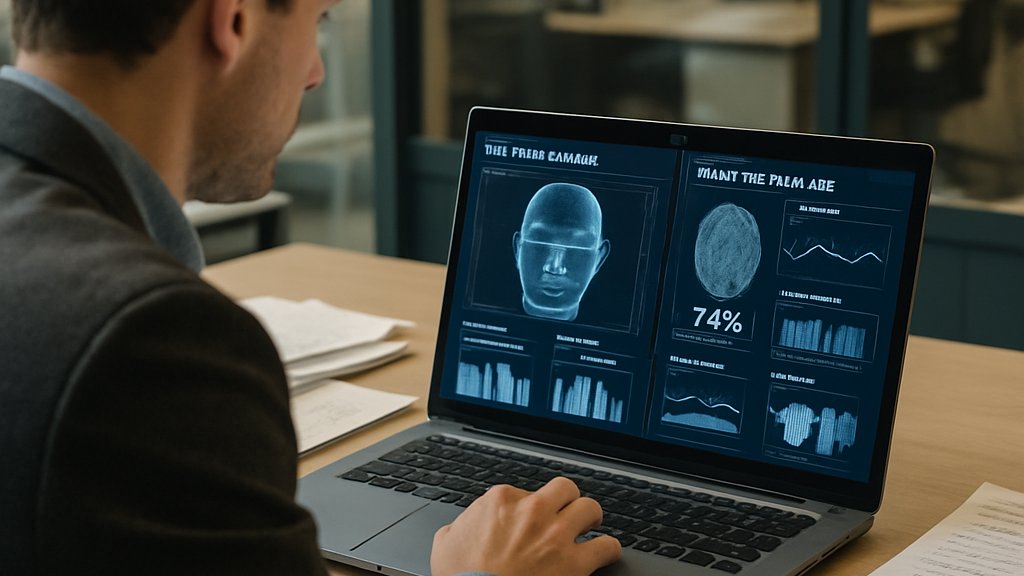
Banking, e-commerce, and telecom companies handle enormous authentication volumes each day. Meanwhile, UIDAI reported over 170 billion Aadhaar verifications to date. Notably, one leading bank logs over four million face transactions daily across its branch kiosks. Therefore, operationalising real-time deepfake detection across identity systems presents formidable engineering challenges. In contrast, smaller startups fear costly backend upgrades to tag every synthetic frame. Moreover, Biometric AI Regulation compels vendors to publish model risk summaries.
Furthermore, platforms must maintain 24/7 incident desks to satisfy the three-hour deadline. They also need documented audit trails to demonstrate ongoing Biometric AI Regulation adherence during inspections.
Consequently, professional upskilling has become essential. Professionals can enhance their expertise with the AI Security Compliance™ certification. Moreover, graduates of that program gain actionable frameworks for meeting evolving regulatory controls.
These mounting obligations underline significant capacity gaps. However, potential surveillance risk also shapes enterprise decisions, as the next section explains.
Surveillance Risk Sparks Debate
Civil-rights groups argue that sweeping takedown powers may chill speech. Additionally, they warn that pervasive biometric devices could normalise continuous facial tracking.
Nevertheless, authorities note rising incidents of deepfake job scams and cloned voice fraud. They maintain that Biometric AI Regulation reduces surveillance risk by deterring malicious impersonation. However, critics counter that the same tools enable state-level profiling without meaningful oversight.
Consequently, MeitY promotes institutional checks such as the AI Safety Institute and an appellate panel. Meanwhile, the Supreme Court has begun weighing proportionality challenges against specific regulatory controls.
Debate shows no uniform consensus yet. Therefore, attention turns to domestic innovation capacity and remaining technology gaps.
Domestic Innovation And Gaps
UIDAI's SITAA program seeks indigenous liveness solutions for facial and contactless fingerprint verification. Moreover, the agency insists that sensitive templates stay on edge biometric devices to protect user data.
In contrast, several Indian startups still depend on imported algorithms for presentation-attack detection. Consequently, the market for locally trusted identity systems remains both large and under-served.
Key adoption indicators illustrate the scale:
- Aadhaar counts 1.34 billion holders and records billions of biometric devices authentications monthly.
- Face authentications surpassed several billion transactions during 2025 alone.
- Global next-generation biometric market estimated at up to USD 64 billion in 2025.
- IT Rules 2026 demand synthetic content takedown within three hours across platforms.
Analysts predict domestic liveness SDK revenue could triple within two years if pilots convert. Therefore, investors anticipate sustained demand for solutions aligned with Biometric AI Regulation benchmarks.
Still, integration frictions persist between AI vendors and banking cores. Subsequently, financial institutions are piloting targeted deployments, examined below.
Financial Sector Adoption Trends
RBI consulted banks on AI-based facial recognition for ATMs early this year. Additionally, institutions project double-digit fraud reduction if biometric devices replace OTPs.
Nevertheless, board directors demand clear compliance roadmaps before funding nation-wide rollouts. Consequently, vendors highlight encryption, on-device processing, and audit logs to satisfy identity systems standards.
Moreover, lenders expect central bank guidance on privacy under the Digital Personal Data Protection Act. These expectations feed directly into forthcoming legal tests.
Results from pilot schemes will influence larger procurement cycles. Meanwhile, legal scrutiny could equally reshape budgets, as the next section details.
Legal Outlook And Challenges
Several petitions challenge the IT Rules' three-hour standard as disproportionate. However, the government argues urgent takedowns minimise surveillance risk and voter manipulation.
Courts must balance fundamental rights against the need for robust regulatory controls. Furthermore, ministries prepare subordinate guidelines to clarify Biometric AI Regulation enforcement mechanics.
Consequently, companies await adjudications before allocating further compliance spending. Nevertheless, proactive governance remains advisable, given global convergence toward similar standards.
Judicial direction should emerge later this year. Therefore, stakeholders should monitor rulings closely while strengthening internal controls.
India's experiment will likely influence global standard setters. Moreover, Biometric AI Regulation now stands central to digital trust across sectors. Consequently, enterprises should audit data pipelines, document compliance, and invest in workforce capability. Additionally, aligning architecture with privacy-by-design will future-proof identity systems against policy shifts. Dispatches from parliamentary committees indicate further consultations will open later this quarter. Nevertheless, court rulings could refine specific obligations. Therefore, leaders must monitor advisories and iterate programs consistent with Biometric AI Regulation principles. Explore credential programs, including the linked AI Security Certification, to stay ahead.
Disclaimer: Some content may be AI-generated or assisted and is provided ‘as is’ for informational purposes only, without warranties of accuracy or completeness, and does not imply endorsement or affiliation.


