

AI CERTS
2 hours ago
H3 Zoom’s AI Inspection Platform Secures Series A Momentum
Funding Signals Market Strength
JRE Ventures led the first close, with SGInnovate and M7 Holdings backing the vision. Additionally, an AngelCentral syndicate followed with extra capital. Investors cited transformative potential for public safety, sustainability, and asset intelligence. Junichi Eto of JRE Ventures called the venture “the next generation of social infrastructure transformation.” Meanwhile, Minister of State Rahayu Mahzam highlighted productivity gains of up to 90 percent during a national speech.
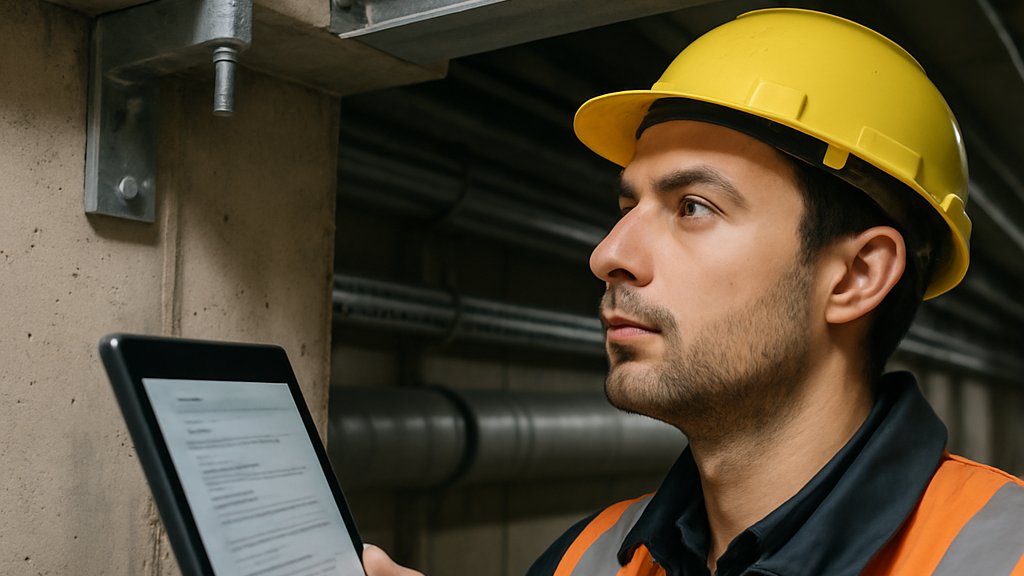
These endorsements reinforce perception that the AI Inspection Platform addresses costly manual workflows. Therefore, market analysts expect faster pilot approvals in regulated sectors. The funding also supports research on precision metrics, aiming to improve false positive rates that still challenge computer models.
Capital inflows strengthen the runway. Nevertheless, product maturity and regional regulations will ultimately validate the valuation. Investors appear prepared for that journey.
Technology Under The Hood
The platform ingests drone imagery, 360° scans, and robot video. Subsequently, proprietary vision-language models classify cracks, corrosion, and water ingress. This multimodal computer vision engine links visual cues with textual labels to generate structured reports. Furthermore, human engineers verify critical findings to meet compliance thresholds. That human-in-the-loop approach reassures regulators demanding deterministic evidence.
According to H3 Zoom, more than 45,000 hours of inspection data have trained the system. Consequently, the AI Inspection Platform claims up to 70 percent cost savings in selected façade surveys. In contrast, legacy clip-board checks require rope access teams and longer road closures.
Engineers can also integrate output into existing maintenance software, enabling richer asset intelligence dashboards. Professionals seeking deeper quality frameworks may pursue the AI Quality Assurance QA™ certification to sharpen validation skills.
Global Market Expansion Plans
H3 Zoom operates in seven countries and completed 10,000 inspections. Moreover, a new partnership with Jizaie opens Japanese distribution channels. The firm is also piloting robotics-assisted capture that reduces work-at-height exposure within the built environment. Additionally, product roadmaps include an “AI Engineering Co-Pilot” for deeper multimodal workflows.
Shaun Koo, the founder, said the fresh funds “turn building data into actionable maintenance decisions at scale.” Therefore, the AI Inspection Platform aims to dominate façade regimes across dense Asian cities. Expansion, however, must navigate strict drone flight laws and privacy limits that vary by prefecture.
Success in Japan could spark entry into Europe, where energy retrofits drive demand for rapid infrastructure monitoring. International revenues would diversify currency exposure and hedge local policy shifts. Market presence grows, yet sustained support resources remain essential.
Key Benefits For Stakeholders
Building owners, insurers, and facility managers report measurable gains. Consequently, adoption momentum is accelerating. Core advantages include:
- Up to 90 percent faster report turnaround, as validated in ministry speeches.
- Up to 70 percent lower direct inspection costs compared with rope access teams.
- Reduced work-at-height accidents, improving safety KPIs across the built environment.
- Standardized, auditable documentation supporting stricter façade rules.
- Continuous data feeds that enrich asset intelligence programs.
These outcomes position the AI Inspection Platform as a catalyst for predictive maintenance rather than reactive repairs.
Adoption Metrics Case Study
CapitaLand properties in Singapore served as early pilots. Furthermore, reports show inspection cycle times dropped from ten days to one. Operational teams then re-allocated staff toward remediation tasks, boosting productivity by 70 percent. Meanwhile, continuous infrastructure monitoring alerts flagged anomalies before they escalated. Therefore, tenant disruption fell markedly.
Quantified impacts strengthen the business case. Nevertheless, independent audits of precision and recall would further validate claims.
Operational Challenges Persist Today
Inspection AI still battles edge cases. In contrast to controlled labs, real sites involve glare, rain, and novel material textures. Consequently, false negatives can slip through. Drone missions also face GPS multipath issues in dense districts. Moreover, privacy laws restrict imaging near residences.
Regulators typically require certified engineers to sign every report. Therefore, the AI Inspection Platform operates as decision support rather than autonomous authority. Continuous data annotation remains costly, affecting model refresh cycles. Nevertheless, certifications like the linked QA credential help professionals uphold quality gates.
These hurdles underline the importance of robust governance. However, iterative releases are gradually closing performance gaps.
Outlook And Next Steps
Research priorities include publishing detailed precision-recall statistics for each defect class. Additionally, open benchmarking would build trust with skeptical engineers. The funding now covers expanded R&D staff and regional compliance teams. Consequently, the AI Inspection Platform roadmap features multilingual interfaces and automated repair recommendations.
Industry observers predict consolidation among niche vendors. However, H3 Zoom’s early traction across seven countries offers defensible data scale. Partnerships with property majors could lock in sticky recurring revenue tied to infrastructure monitoring. Furthermore, environmental, social, and governance reporting mandates will likely increase demand for transparent asset intelligence.
Broader adoption appears likely as costs fall. Nevertheless, ongoing human oversight will remain critical for life-safety assets. The company seems ready for that hybrid future.
These trends suggest sustained growth potential. Meanwhile, independent validation remains the next decisive milestone.
In conclusion, H3 Zoom’s capital raise reflects confidence in inspection automation. Moreover, the platform demonstrates tangible savings and safety benefits for the global built environment. Continuous R&D, strategic partnerships, and transparent metrics will determine long-term leadership. Consequently, professionals should watch precision improvements and regulatory milestones closely. Interested readers can enhance their inspection AI skills through recognized programs and pursue the linked certification to stay ahead of market demand.
Disclaimer: Some content may be AI-generated or assisted and is provided ‘as is’ for informational purposes only, without warranties of accuracy or completeness, and does not imply endorsement or affiliation.


