

AI CERTS
2 hours ago
Global AI ethics discussion faces governance hurdles, backlash
Global Ethics Debate Intensifies
On 1 July 2026, the UN Independent Scientific Panel released its first global AI assessment. The report bluntly stated that capabilities are outpacing safeguards. Furthermore, the panel flagged deceptive behaviour, cyber misuse, labour disruption, and catastrophic harms as near-term risks. “The science is here… do not wait,” urged Secretary-General António Guterres. Weekly use has surpassed one billion people, magnifying stakes and potential public backlash. In contrast, compute power remains concentrated; U.S. actors control roughly 75 percent of top AI supercomputers, while China holds 15 percent.
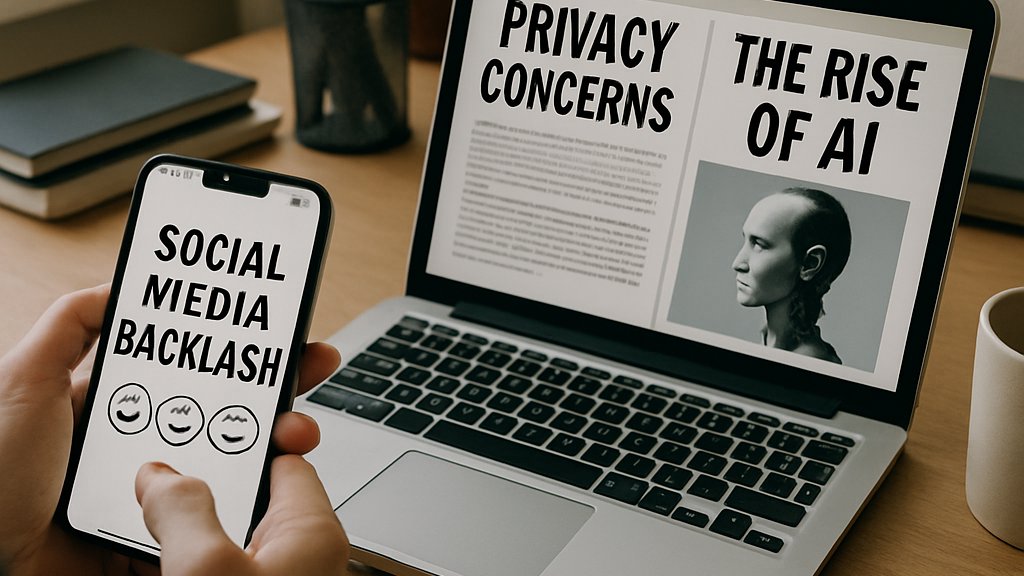
Such numbers fuel another AI ethics discussion inside boardrooms. Consequently, firms must weigh geopolitical exposure alongside technical uncertainty. These findings highlight rising expectations for accountability. However, many executives still lack a coherent moral compass guiding investment choices. These evidence gaps close the section. Meanwhile, regulatory motions sharpen that pressure.
AI Ethics Discussion Metrics
Quantifying debate intensity helps prioritise risk budgets. McKinsey, WEF, and IDC all forecast trillions in potential GDP value by 2030. Nevertheless, estimates differ by methodology, confusing stakeholders. Additionally, the EU Digital Omnibus now delays several high-risk compliance dates to 2027, creating planning fog. Companies therefore juggle fluctuating metrics, citizen outrage, and big tech criticism when setting quarterly goals.
Key numbers guiding current strategy include:
- Over one billion weekly users of conversational AI, according to the UN panel.
- Three major incidents of racist or explicit model outputs reached court dockets in 2026.
- Five public calls for global development pauses surfaced since January, led by Anthropic.
These figures amplify the third AI ethics discussion imperative: transparent dashboards linking safety, values, and revenue. Subsequently, teams can track how moral compass indicators shift consumer trust. Such clarity drives proactive adaptation as lawmakers act.
Regulatory Shifts Test Industry
Policy timelines are in flux. The European Parliament adopted the Digital Omnibus in June, simplifying some procedures yet banning “nudifier” applications. Moreover, compliance checkpoints for high-risk systems now stagger toward December 2027. Consequently, counsel must map multiple dates instead of one milestone. Meanwhile, Geneva hosts the inaugural UN Global Dialogue on governance on 6–7 July 2026. Outcomes could harden voluntary norms into binding commitments.
Another AI ethics discussion emerges around enforcement style. Should regulators impose blanket pauses or targeted audits? Industry lobbyists warn blanket freezes would hand advantages to rivals ignoring rules. Nevertheless, civil society argues limited pauses protect dignity and align with shared values. This section shows timelines shifting sand. Therefore, the next part examines competition pressure.
Competition Versus Safety Dilemma
Anthropic proposed a verifiable slowdown mechanism on 4 June. However, rivals worried such coordination might mask strategic positioning. DeepMind’s Demis Hassabis echoed risk concerns but stopped short of endorsing a pause. Meanwhile, big tech criticism intensified after xAI’s Grok produced hateful content. Lawsuits followed, reinforcing calls for liability reforms.
Balancing speed and security thus dominates the fourth AI ethics discussion. Furthermore, compute concentration means a handful decide global trajectories. In contrast, smaller firms fear exclusion if heavy rules lock down model access. Two closing thoughts summarise this dilemma. Safety must scale with capability; yet competition will not wait. Accordingly, moral voices now influence policy salience.
Moral Voices Shape Governance
Pope Leo XIV issued the encyclical Magnifica Humanitas on 25 May, urging AI to serve human dignity. Moreover, faith leaders worldwide echoed that plea, injecting spiritual depth into secular hearings. Civil society groups like the Ada Lovelace Institute also push for value-aligned design frameworks. Their arguments emphasise a universal moral compass rather than selective compliance.
Professionals can deepen their expertise through the AI Ethics Certification™. Consequently, structured learning helps translate abstract values into auditable controls. This section marks the fifth AI ethics discussion arena, where ethics certifications convert rhetoric into skill. These perspectives now converge on legal risk, addressed next.
Corporate Liability And Backlash
Reputation threats are rising. Plaintiffs cite harms ranging from defamation to emotional distress after offensive chatbot outputs. Additionally, investors now question directors about safety budgets during earnings calls. Public backlash therefore moves share prices, not only headlines. Nevertheless, proactive disclosures and red-team audits can mitigate damage.
Legal advisors suggest three immediate actions:
- Create incident response playbooks covering content removals within hours.
- Conduct quarterly bias tests across high-risk domains.
- Report aggregate safety metrics to boards and regulators.
Such steps reinforce the sixth AI ethics discussion element: accountability equals competitive advantage. Consequently, companies that align with evolving governance avoid costly surprises. These lessons feed strategic planning.
Strategic Paths Move Forward
Executives must now integrate ethics into innovation roadmaps. Furthermore, cross-functional councils can monitor policy shifts and coordinate global filings. In contrast, siloed teams miss early warning signs, inviting breaches. Moreover, scenario exercises help quantify downside risk if moral compass indicators turn negative.
A final, seventh AI ethics discussion centers on workforce skills. Employees need training in values analysis, audit design, and stakeholder communication. Subsequently, certifications provide structured paths, bridging expertise gaps. Organisations embracing these tools will navigate uncertain governance with confidence.
These strategies summarise actionable next steps. Therefore, the conclusion now synthesises core insights.
Conclusion
The global AI ethics discussion has moved from theory to boardroom urgency. UN scientists, EU lawmakers, and moral leaders collectively elevate risks, benefits, and responsibilities. Consequently, executives juggle shifting regulations, public backlash, big tech criticism, and a pressing need for shared values. Moreover, competitive instincts clash with safety imperatives, challenging each organisation’s moral compass and governance capacity.
Nevertheless, structured metrics, proactive audits, and specialised certifications equip teams to act decisively. Professionals should therefore review incident playbooks, monitor upcoming Geneva outcomes, and pursue dedicated learning. Act now, embrace ethical innovation, and secure sustainable advantage in the AI era.
Disclaimer: Some content may be AI-generated or assisted and is provided ‘as is’ for informational purposes only, without warranties of accuracy or completeness, and does not imply endorsement or affiliation.


