

AI CERTs
3 months ago
EU High-Risk AI Delays: A Shifting Regulatory Timeline
Pressure is mounting across Europe as the AI Act hits another crossroads. However, the Commission’s new Digital Omnibus could shift crucial dates yet again. Businesses that build or deploy high-risk systems now face new planning uncertainty. Meanwhile, civil-society groups warn that postponement weakens citizen protections. The resulting debate spotlights the entire Regulatory Timeline at the heart of EU tech rule-making. Moreover, staggered enforcement has always balanced innovation incentives with rights safeguards. Investors demand clarity before they commit fresh capital to AI ventures. Consequently, every delay affects hiring plans, budgets, and cross-border data strategies. This article maps the moving pieces, examines competing arguments, and outlines practical next steps. Readers will gain actionable insight for navigating compliance and risk.
Digital Omnibus Proposal Overview
The Digital Omnibus landed on 19 November 2025 as a sweeping simplification package. Additionally, it amends the AI Act to link high-risk duties to supporting tools and harmonised standards. Therefore, certain obligations could slide from August 2026 to December 2027 or even August 2028.
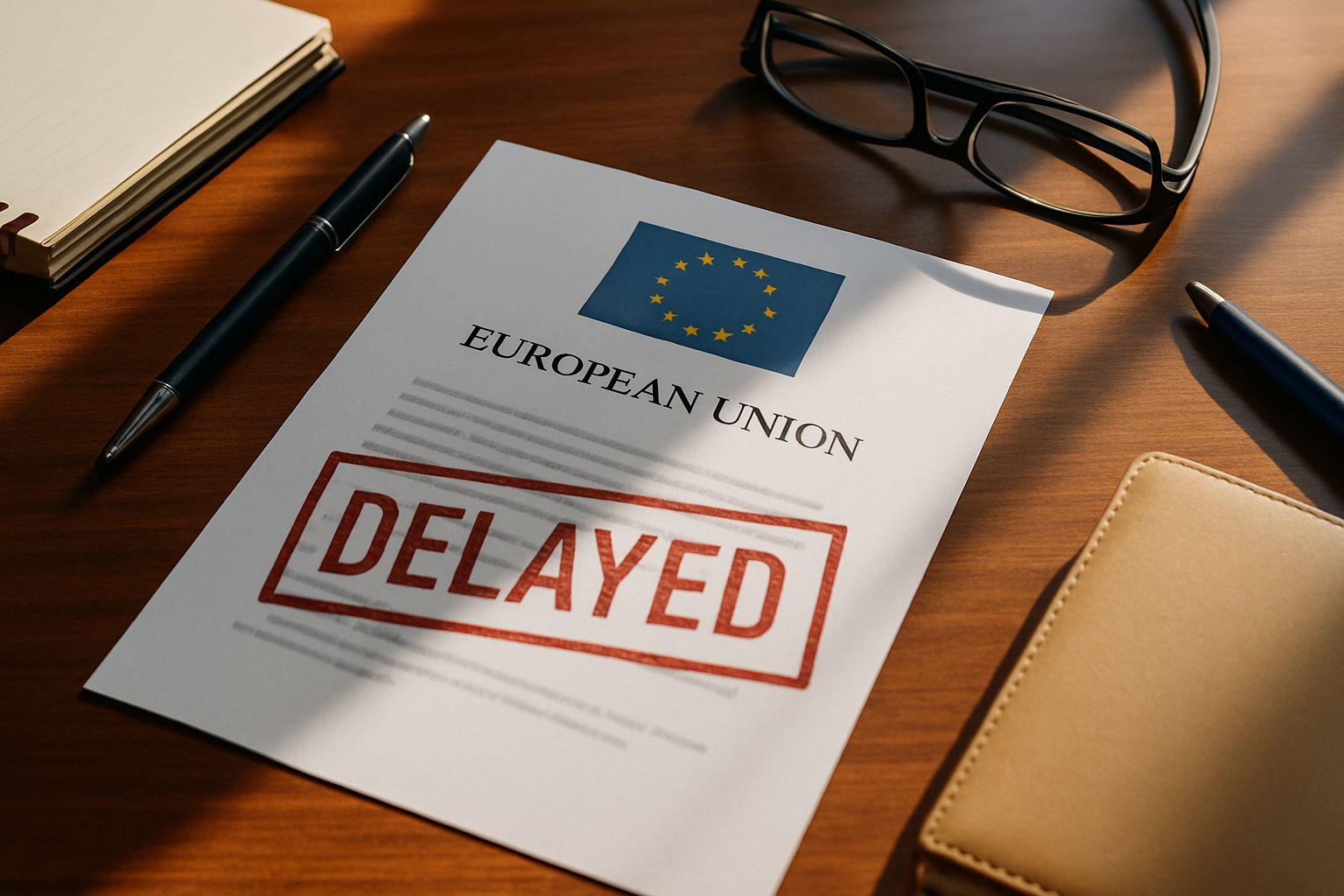
Commission officials insist simplification is not deregulation. However, critics question whether the new mechanism effectively rewrites core Legislation through the back door. In contrast, industry lobbyists frame the plan as necessary Policy calibration that preserves competitiveness. Consequently, the proposal set the stage for intense trilogue battles.
In essence, the Omnibus stretches the Regulatory Timeline but ties it to concrete deliverables. Next, we examine which AI systems are tagged high-risk under the current text.
High-Risk AI System Scope
Annex III lists biometric identification, recruitment scoring, creditworthiness assessment, and critical infrastructure control. Moreover, Annex I covers systems already regulated under sectoral Legislation like medical devices. These categories trigger strict lifecycle duties, documentation, and sometimes third-party audits.
Consequently, developers must implement risk management, data-quality checks, human oversight, and incident logging. Furthermore, obligations align with GDPR principles of accountability and data minimisation. Non-compliance can attract penalties up to 7% of global turnover.
Expansive scope magnifies the Regulatory Timeline impact on business. However, industry pressure did not emerge in a vacuum, as the next section explains.
Industry Pushback Explained Clearly
European companies argue that missing standards create legal grey zones. Subsequently, boards hesitate to approve major AI budgets. Moreover, member states have yet to designate every competent authority, compounding uncertainty.
Commission data suggest harmonised standards will not arrive before late 2026. Consequently, businesses fear parallel national guidance could fracture Governance across the single market. Industry CEOs therefore requested a two-year clock-stop in mid-2025.
Their case rests on Regulatory Timeline gaps and cost forecasts. Nevertheless, rights advocates present an opposite narrative, explored below.
Rights Advocates’ Objections Detailed
Over 50 civil organisations sent letters opposing any dilution. In contrast, they argue delay weakens enforcement and citizen safeguards promised by the AI Act. Moreover, joint EDPB and EDPS opinions warn against eroding GDPR protections.
Advocates also cite reputational risk should the EU retreat after celebrating the Act globally. Therefore, some MEPs label the Omnibus a credibility test for European Governance leadership. They propose tighter sunset clauses to ensure postponements remain temporary.
Public-interest groups tie fundamental rights directly to timely enforcement. Next, we assess why standards and guidance sit at the centre of this Regulatory Timeline clash.
Standards And Guidance Delays
CEN and CENELEC missed original 2025 delivery targets for harmonised technical standards. Meanwhile, the Commission failed to publish Article 6 guidance by February 2026. Consequently, companies lack a recognised route to presumption of conformity.
Moreover, absence of standards complicates audits, procurement, and cross-border Governance alignment. EDPB and EDPS state that legal certainty depends on these documents, not on rhetoric. Therefore, the Omnibus logically ties entry into force to standard availability.
- 2 Aug 2026: Original high-risk start date
- 2 Dec 2027: Proposed Annex III deadline within revised Regulatory Timeline
- 2 Aug 2028: Latest Annex I deadline if standards lag
Such phased Legislation remains controversial among watchdogs. Delays stem from technical, institutional, and political factors rather than mere lobbying. However, law-makers still control the final schedule, as the legislative path shows next.
Legislative Pathway Moves Ahead
Parliament committees LIBE and IMCO will open debates in early 2026. Subsequently, the Council will form a common position before tri-logues. Moreover, national elections in 2026 could reshape negotiating dynamics. Policy committees will weigh economic impact models before any vote.
Observers expect intense discussion on GDPR alignment, SME relief, and audit thresholds. In contrast, many MEPs prefer keeping the Regulatory Timeline short to avoid regulatory drift. Final adoption may occur in late 2026, leaving businesses under one year to adapt.
Timetable decisions will signal the EU’s strategic stance on innovation versus safeguards. Consequently, firms must prepare regardless, as the following recommendations outline.
Strategic Compliance Steps Forward
Companies should run scenario planning for both 2026 and 2027 effective dates. Moreover, establishing cross-functional Governance forums accelerates documentation readiness. Early gap analysis against draft CEN standards reduces later remediation costs.
Security leads can boost assurance with the AI Security Level-2 certification. Additionally, map obligations to existing ISO, NIST, and internal controls for synergy. Sound Policy alignment can reassure regulators and investors alike.
- Create a live Regulatory Timeline tracker for board updates
- Integrate GDPR, cyber, and ethics checkpoints within development sprints
- Allocate budget for third-party conformity assessments early
Proactive steps cut future disruption regardless of political bargaining. Nevertheless, leaders must stay alert as final dates crystallise.
Europe’s AI journey remains a moving target. However, most market realities will not pause for politics. Consequently, organisations must treat the current Regulatory Timeline as a floor, not a ceiling. Moreover, preparing early supports smoother audits when the ultimate Regulatory Timeline locks in. In contrast, reactive strategies risk costly redesigns and reputational damage. Therefore, commit resources now, follow parliamentary sessions closely, and leverage targeted certifications for competitive advantage. Start by aligning your teams and exploring the linked AI Security Level-2 program today.
Disclaimer: Some content may be AI-generated or assisted and is provided ‘as is’ for informational purposes only, without warranties of accuracy or completeness, and does not imply endorsement or affiliation.


