

AI CERTS
3 months ago
EmotionShield AI Debuts Behavioral Decision Platform
Market Demand Keeps Rising
Global decision intelligence revenue reached USD 15.22 billion in 2024, Grand View Research reports. Furthermore, analysts expect high-teens CAGR through 2030. McKinsey estimates generative AI could unlock up to USD 340 billion annually for banking. Therefore, any solution improving decision quality attracts attention. Finance teams drown in algorithmic signals; meanwhile, emotional errors still erode returns. Vendors now add a behavioral layer to complement data science dashboards.
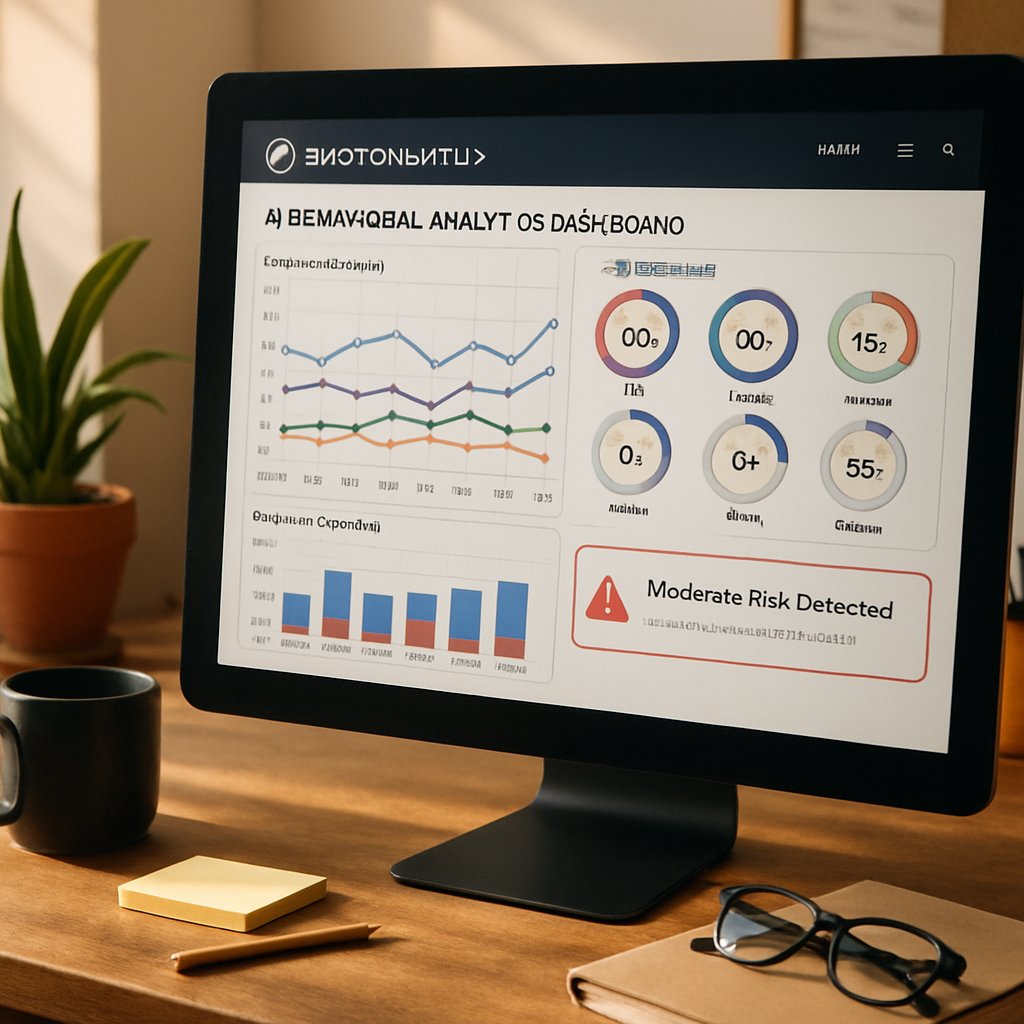
These statistics highlight urgent market pull. However, competition also intensifies as incumbents like FICO and SAS expand AI decisioning suites. EmotionShield AI must differentiate quickly. Nevertheless, fast growth offers room for specialists targeting human factors.
Demand growth sets the stage. Subsequently, we examine the recent launch specifics.
Platform Launch Key Details
EmotionShield AI publicly released its Emotion-Adaptive Decision Intelligence (EADI) platform on May 5. Founder Dr. Kannappan Ramu described EADI as “behaviorally aware infrastructure” that flags impulsivity, overconfidence, anchoring, and fatigue in real time. Additionally, the SaaS product opens with U.S. retail trading coverage and promises institutional modules later. Sign-ups are live on the company’s website.
The press announcement gave no pricing or customer names. Nevertheless, Dr. Ramu claimed the system will log every flagged decision for audit trails. That promise could please regulators seeking transparency. EmotionShield AI appears to target self-directed traders first, then broker-dealers needing compliance aids.
Essential launch facts confirm product availability. In contrast, technical depth remained minimal, prompting deeper scrutiny next.
How Platform Technology Works
EADI operates as a Behavioral Intelligence Infrastructure layer. It ingests interaction telemetry such as click speed, order timing, and screen focus shifts. Moreover, proprietary models evaluate patterns against known behavioral bias signatures. Alerts then nudge users before orders execute. Therefore, the tool focuses on pre-trade moments when emotion peaks.
Platform components include:
- Real-time stream processing for microsecond latency
- Bias classifiers trained on historical trading sessions
- Feedback APIs for broker or portfolio dashboards
- Audit log storage meeting SOC 2 structures
EmotionShield AI states that multimodal expansion—voice or facial cues—remains on the roadmap. However, academic literature warns that affective models often degrade outside labs. Consequently, robust validation will prove vital.
Technical architecture shows promise. Nevertheless, understanding the psychological basis strengthens confidence, covered below.
Behavioral Science Foundations
The platform leverages decades of cognitive bias research from behavioral finance. Kahneman’s prospect theory, for example, documents loss aversion that fuels panic selling. Additionally, anchoring studies reveal how initial price points distort future judgments. EmotionShield AI claims its classifiers map such biases to user telemetry patterns. Therefore, the solution blends computer science with established behavioral science.
Bridging these disciplines could enhance trader discipline. Yet, model explainability remains essential to sustain trust.
This foundation clarifies design intent. Subsequently, we examine user benefits.
Benefits For Retail Traders
EmotionShield AI highlights three headline gains for retail clients:
- Reduced emotion-driven losses through instant bias alerts
- Improved consistency thanks to decision logging dashboards
- Regulatory alignment via behavioral audit trails
Furthermore, early simulations reportedly cut impulsive order frequency by 18%. Although independent studies are pending, the numbers suggest upside.
Traders also battle cognitive overload from social feeds and chart indicators. Consequently, one interface focusing on behavioral hygiene could simplify workflows. Professionals can deepen relevant skills with the AI Learning & Development™ certification, aligning human factors and AI literacy.
Potential value appears attractive. However, risks could offset gains, explored next.
Key Risks And Challenges
Affective systems face four critical hurdles. First, accuracy may drop in live markets where stress physiology varies. Second, bias across demographics risks unfair flagging. Moreover, privacy regulations tighten around biometric and sensitive data. The EU AI Act could classify emotion recognition as high-risk. Finally, over-reliance might erode trader expertise.
Academic reviewers urge independent fairness audits and consent-centric design. EmotionShield AI has yet to publish detailed validation papers. Nevertheless, the company signals intent to pursue certifications and third-party reviews.
These challenges underscore cautious adoption. Evolving regulation, discussed below, compounds complexity.
Evolving Regulatory Concerns Today
Financial watchdogs already monitor algorithmic trading tools. Now, emotion inference adds biometric implications. Consequently, compliance officers must assess data minimization, storage duration, and opt-out mechanics. Gartner recommends governance frameworks that document every automated decision. EmotionShield AI claims complete behavioral logs will support audits. However, external verification remains pending.
Proper oversight could mitigate legal exposure. Meanwhile, competitive pressures accelerate product rollouts.
Regulatory uncertainties persist. Nevertheless, market rivalry intensifies, which we analyze next.
Competitive Landscape Right Now
Legacy AI decisioning vendors dominate enterprise seats. FICO, Quantexa, and SAS lead Forrester’s latest wave. Yet, none market a specialized behavioral risk module focused on human traders. Consequently, EmotionShield AI positions itself as complementary rather than directly confrontational.
Adjacent startups like VectorForge explore workplace affective analytics. Moreover, consumer apps increasingly integrate mood detection for wellness nudges. Therefore, the differentiation gap may narrow quickly.
Partnerships with brokers could accelerate adoption before incumbents replicate features. Nevertheless, capital requirements for marketing and compliance remain high.
Competition frames strategic urgency. Subsequently, we project future milestones.
Outlook And Next Steps
Market tailwinds favor solutions that merge data science and psychology. EmotionShield AI holds first-mover visibility within retail trading. Furthermore, planned institutional modules could tap larger budgets. Analysts expect decision intelligence practices to mainstream by 2026, creating fertile ground.
Key milestones to watch include:
- Publication of third-party performance audits
- Signed partnerships with brokerage platforms
- International rollout after privacy assessments
- Certification pursuits underscoring platform trust
Finance professionals seeking competitive edge should track these developments closely. Additionally, refining human-AI collaboration skills through recognized programs will strengthen career resilience.
Outlook signals cautious optimism. Consequently, we summarize insights next.
Conclusion: EmotionShield AI arrives as decision intelligence accelerates across finance. The platform offers real-time behavioral nudges aimed at reducing costly bias. Moreover, market growth and cognitive overload create tangible demand. Nevertheless, validation, fairness, and privacy remain unresolved. Firms evaluating EADI should request audits, clarify data governance, and upskill teams. Professionals, therefore, can future-proof expertise by exploring the linked AI certification. Stay informed, test rigorously, and balance innovation with responsibility.
Disclaimer: Some content may be AI-generated or assisted and is provided ‘as is’ for informational purposes only, without warranties of accuracy or completeness, and does not imply endorsement or affiliation.


