

AI CERTS
3 hours ago
Consumer AI Enters Family Life With Nori Hub
This article unpacks the market context, key features, benefits, risks, and unanswered questions. Consequently, technology leaders can benchmark emerging standards before integrating similar capabilities. Finally, readers will find resources, including a recommended certification, to deepen strategic expertise. Meanwhile, investor interest in home automation keeps rising despite broader tech slowdowns. Therefore, understanding Nori’s positioning reveals where household platforms could head next. In contrast, legacy family organizer apps remain largely manual and single account focused. Subsequently, the competitive landscape may shift quickly as agentic design matures.
Market Shift Toward Homes
Smart speakers primed consumers to speak commands without screens. However, those assistants managed single queries, not ongoing family workflows. McKinsey projects voice and agentic services to grow double digits through 2026. Consequently, vendors are racing to embed reasoning capabilities directly into appliances. Consumer AI adoption depends on trusted privacy models, especially inside homes, analysts warn. The startup argues the shift demands assistants that hold shared context across multiple users.
In contrast, Cozi or Alexa treat each account as isolated, limiting coordination. Moreover, market researchers tie rising parental burnout to fragmented digital planning. The Skylight report found parents spend five hours weekly assembling schedules and lists. Therefore, an integrated assistant promises tangible time savings and stress reduction. These figures confirm latent demand. However, trust will decide winners. Against this backdrop, Nori’s launch merits closer inspection.
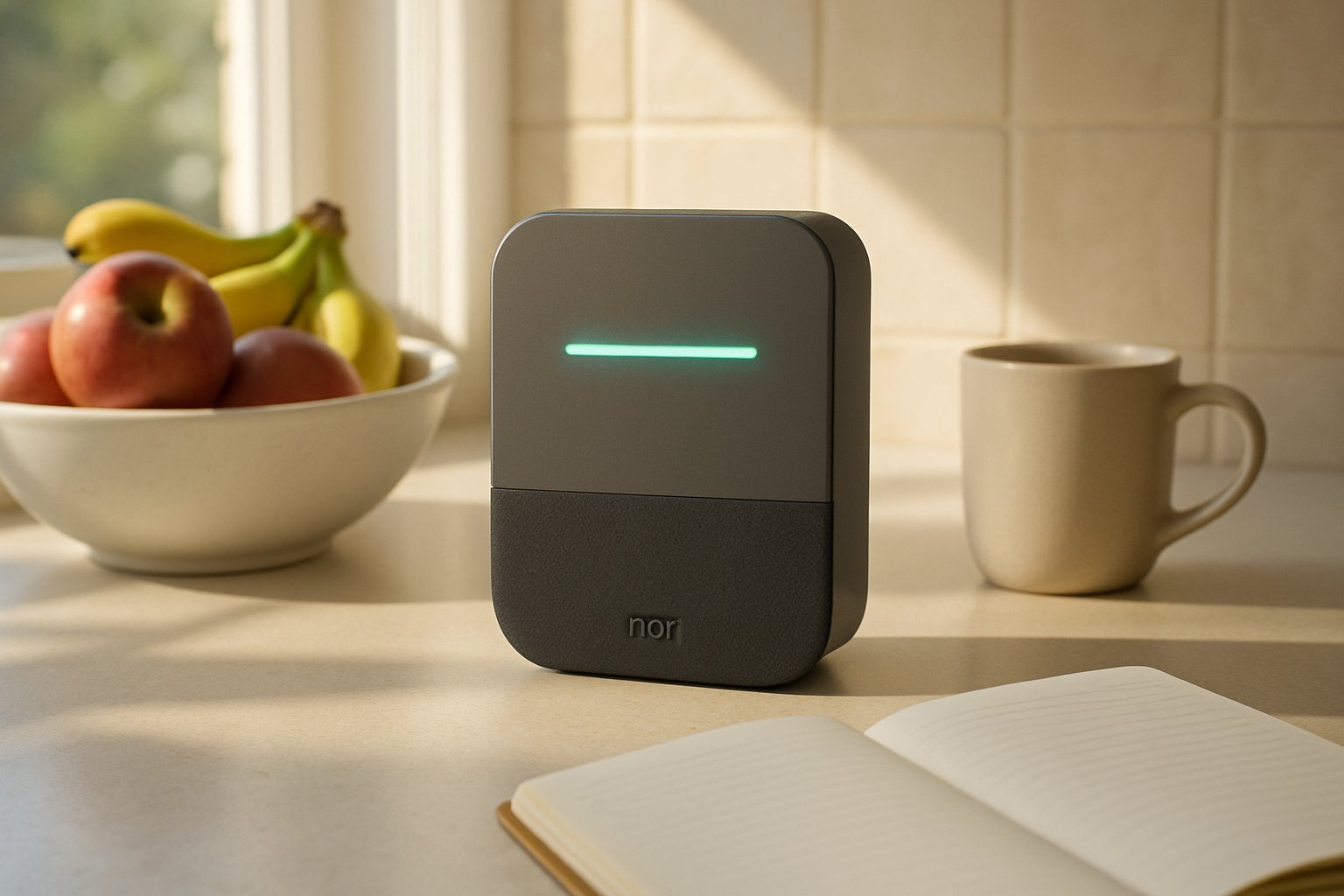
Nori Product Overview Today
Domus Next introduced Nori on 27 January 2026 after one year in private testing. The software runs on iOS, Android, and any modern browser through a unified web app. Meanwhile, a dedicated Family Hub device will ship in June with a 15-inch touchscreen. Company materials position the hardware as a refrigerator-like command center for the kitchen wall. Moreover, Nori accepts text, voice, forwarded emails, and photos, converting them into structured tasks. Persistent family memory stores allergies, routines, and meal preferences for all house members.
- Shared calendar syncs Google, iCloud, and Outlook accounts in one view.
- OCR turns school flyers into events with automatic reminders and assignments.
- Task lists support assignees, due dates, and follow-up nudges through messaging apps.
- Meal planner suggests recipes honoring stored dietary restrictions.
Pricing starts at $9.99 monthly for the NoriFamily shared tier, with a free starter plan. Domus Next claims 100,000 families joined during the beta, though independent confirmation remains pending. Nevertheless, early traction suggests the messaging resonates with overscheduled parents. Nori rolls multiple utilities into one multimodal layer. However, benefits matter only if real outcomes follow. We now examine tangible advantages promised by Family AI systems.
Benefits Of Family AI
Analysts tie reduced cognitive load to automated delegation. Moreover, Family AI can track chores, send reminders, and close loops without endless texts. Consumer AI capable of multi-step action therefore shrinks invisible labor, especially for primary caregivers. In a company survey, 68% of testers reported saving at least three hours weekly. Furthermore, shared context prevents the perennial 'who bought milk' confusion. Nori adds follow-up pings when assigned tasks languish, reducing spousal nagging. For children, routine prompts appear on the upcoming hub display instead of parental shouting.
Consequently, accountability becomes visible and shared. The mental load study from Skylight links transparency to lower stress scores among mothers. Early evidence supports meaningful time and tension savings. Nevertheless, stronger governance will determine sustainable trust. Therefore, we next assess security questions surrounding agentic assistants.
Governance And Security Stakes
Persistent memory carries privacy risks unique to multi-user environments. However, Domus Next has not yet published a full encryption whitepaper. Independent researchers demand clarity on deletion workflows and data residency. McKinsey warns that 50% of agentic AI pilots stall over governance gaps. Moreover, minors require special consent flows under the EU AI Act. Consumer AI operating inside homes must manage granular permissions, audit logs, and role revocation. Nori’s current marketing outlines roles but omits technical enforcement details. Furthermore, autonomous actions across APIs expand attack surfaces and liability exposure.
Analysts recommend human-in-the-loop approvals for purchases and sensitive messages. Security decisions will affect adoption curves. In contrast, unclear safeguards could stall momentum. Next, we compare competing platforms chasing similar goals.
Competitive Landscape Emerging Fast
Several incumbents already link calendars and smart speakers. However, none advertises persistent shared memory across users like Nori. Google offers Assistant routines, yet individual accounts still gate certain actions. Samsung markets Family Hub refrigerators embedding Bixby AI. Meanwhile, Cozi and OurHome focus on manual entry and reminders within mobile apps. Consumer AI products that automate follow-through may therefore leapfrog convenience expectations. Domus Next intends hardware differentiation, yet supply chain partners remain undisclosed.
Analysts expect mainstream players to add agentic layers quickly or acquire specialists. Competition validates demand and accelerates innovation. Nevertheless, first movers must sustain trust advantages. Subsequently, we look at roadmaps and outstanding questions facing Family AI adoption.
Roadmap And Open Questions
Domus Next targets June for the Family Hub release, yet pricing remains confidential. Moreover, the firm has yet to reveal manufacturing partners or local edge processing specs. Consumer AI buyers increasingly request on-device inference for sensitive data like location history. Analysts also await verified daily active usage, not just sign-up totals. Furthermore, regulators may classify Family AI as high risk under forthcoming European rules. The company will need detailed impact assessments and age-appropriate consent paths.
Professionals can enhance their expertise with the AI Essentials for Everyone™ certification. Such training helps product leaders navigate governance frameworks while building credible roadmaps. Key unknowns involve hardware, metrics, and regulatory positioning. Therefore, continuous disclosure will shape long-term trust. Consequently, the coming months should reveal whether this vision scales safely.
Final Takeaways
Nori illustrates how Consumer AI can mature from novelty to infrastructure. Moreover, the product highlights unresolved privacy obligations surrounding Consumer AI at home. Governance, consent, and edge processing will influence every Consumer AI roadmap, not just household assistants. Meanwhile, early convenience gains suggest agentic design can relieve measurable mental load. Nevertheless, leaders must balance autonomy with accountability as regulations tighten. Professionals should track Nori’s June hardware launch and forthcoming security documentation. For deeper readiness, pursue recognised credentials and join Family AI governance forums. Take the next step today by exploring the certification link above.


