

AI CERTS
1 hour ago
Amazon’s Warehouse Automation Expansion Hits €10B
Industry watchers therefore ask whether automation and hiring can advance together. The next sections unpack the capital spending, technology rollouts, and regulatory cross-currents shaping this story.
Capital Plan Overview Ahead
Amazon announced the multiyear outlay on 4 June 2026 at its Delivering the Future event near London. Furthermore, executives framed the spend as a pillar within the wider logistics network refresh. The package covers facility retrofits, new robotics fleets, and additional same-day sortation sites.
Armin Cossmann, VP Operations Europe, said the money will “deliver a step-change” for customers and staff alike. In contrast, sceptics highlight previous cycles where capital spending rose faster than revenue. Nevertheless, Amazon Europe appears determined to press its warehouse advantage.
These numbers reveal serious intent. Consequently, rivals must recalibrate their own robotics investment timelines.
Robots Driving New Efficiency
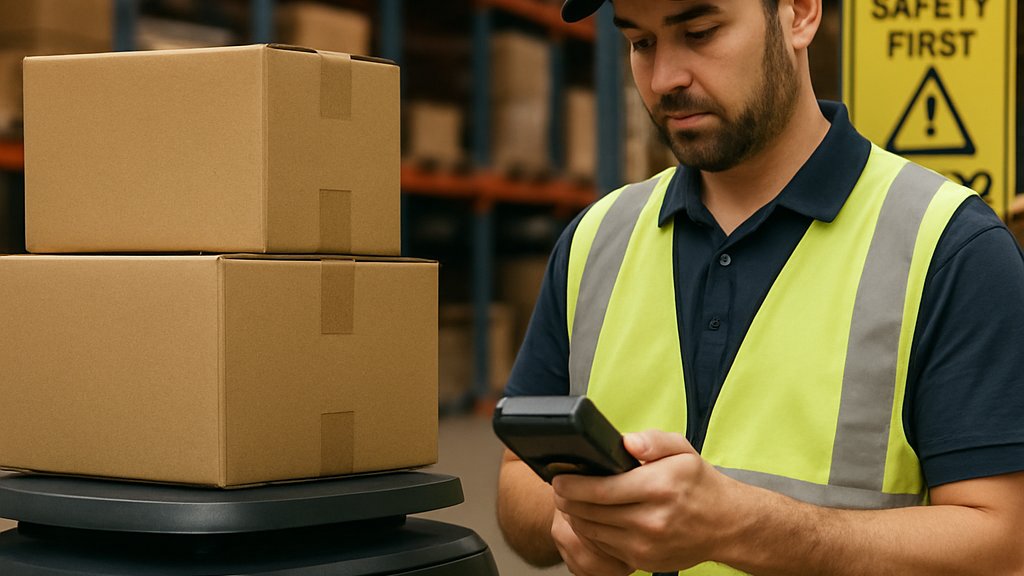
Three core machines anchor the Warehouse Automation Expansion. First, STARK lifts heavy totes, reducing repetitive strain for associates. Second, Vulcan adds tactile feedback, allowing gentler handling of irregular goods. Third, the new Proteus model roams freely and now understands plain-language commands.
Scott Dresser, VP Amazon Robotics, explained, “You tell it what needs to be done. It figures out the priority.” Moreover, early U.S. deployments boosted pick rates and cut travel time per unit. Independent Allianz Research studies align, citing single-digit to double-digit productivity gains after similar rollouts.
Efficiency drives profit. However, safety remains central because robots and humans share aisles. Therefore, Amazon Europe has pledged fresh training modules and ergonomic audits alongside every fulfilment upgrade.
The trio targets throughput, accuracy, and worker wellbeing. Subsequently, attention shifts to Proteus, the program’s headline act.
Proteus Adds Language Leap
The next-generation Proteus differs from earlier models by accepting conversational instructions. Furthermore, the robot now maps its surroundings in real time, enabling autonomous rerouting when obstacles appear. Amazon aims to pilot the system in European warehouses during H1 2027, scaling to 15 sites by 2028.
This software advance matters. Previously, technicians scripted routes manually. Now, supervisors can simply state priorities aloud. Consequently, management expects shorter changeover times and fewer bottlenecks inside fulfilment lanes.
Nevertheless, integration risks persist. Legacy conveyor layouts may need reconfiguration. Additionally, IT teams must secure traffic data to prevent collisions. Amazon Europe therefore budgets extra capital spending for sensors, edge servers, and 5G upgrades.
Natural-language control could redefine shop-floor workflows. However, last-mile challenges also attract Amazon’s gaze.
Last-Mile Delivery Robots
March 2026 saw Amazon acquire Zurich startup Rivr. The firm builds stair-climbing robots designed for doorstep hand-offs. Moreover, the purchase extends the Warehouse Automation Expansion beyond buildings into city streets.
European municipalities embrace low-emission deliveries, yet regulatory clearance remains essential. Consequently, Amazon Europe plans to pilot Rivr units in select Swiss and German markets, working with transport authorities on safety codes.
If successful, Rivr could pair with sub-same-day micro-hubs announced under the same logistics network programme. Furthermore, machine learning from Proteus may inform outdoor navigation, creating a closed automation loop from shelf to stoop.
Doorstep robotics promise speed and sustainability. Subsequently, social implications demand equal attention.
Labour Impact Debate Intensifies
Automation still triggers workforce anxiety. Nevertheless, Amazon asserts the project will add fulfilment jobs through new sites and faster growth. Unions remain cautious, urging transparent head-count reporting across regions.
Critics argue robots could erode bargaining power. In contrast, management counters that upskilling paths will expand. Professionals can enhance their expertise with the AI Supply Chain™ certification, boosting career resilience.
Government regulators also watch closely. Moreover, the European Commission’s recent scrutiny of Amazon’s consumer-robot deals underscores mounting antitrust interest.
The debate juxtaposes efficiency with equity. Consequently, market analysts monitor hiring figures and accident rates while the rollout advances.
Market Context Deep Analysis
Global warehouse-robotics revenue reached about US$6.5 billion in 2025, according to Fortune Business Insights. Furthermore, forecasts predict high-teens compound growth through the next decade.
Key market signals include:
- Fortune projects €14 billion European spend by 2030.
- Grand View cites AI penetration surpassing 60 percent of new installations by 2032.
- Analysts tie cost reduction to energy-efficient fleets and cloud orchestration.
These indicators suggest Amazon’s robotics investment aligns with wider sector momentum. However, rivals such as Locus Robotics and Boston Dynamics chase the same contracts. Therefore, early scale can secure supplier pricing and data advantages.
The rising tide confirms Amazon Europe’s timing. Subsequently, strategic outlook becomes paramount.
Strategic Outlook Moving Forward
Warehouse Automation Expansion appears central to Amazon’s European competitiveness. Moreover, the plan intertwines capital spending, software innovation, and broader logistics network redesign.
Success hinges on four drivers: timely Proteus deployment, regulatory goodwill, labour collaboration, and continued customer demand for rapid delivery. Additionally, integrated data flows between fulfilment centres and Rivr pilots could unlock fresh efficiencies.
Investors will scrutinize return on invested capital as projects mature. Nevertheless, early metrics from U.S. prototypes provide confidence. Industry precedent shows productivity boosts often translate into margin gains.
Amazon Europe now races to execute at scale. Consequently, the coming 24 months will validate whether conversation-driven robots and doorstep climbers deliver promised value.
The sections above outline financial commitments, technical advances, labour dynamics, and market backdrops. Therefore, professionals tracking automation strategies should monitor milestones and consider skill upgrades.
Disclaimer: Some content may be AI-generated or assisted and is provided ‘as is’ for informational purposes only, without warranties of accuracy or completeness, and does not imply endorsement or affiliation.


