

AI CERTS
2 hours ago
AI Energy Demand to Double: IEA Warns of Looming Grid Strain
Therefore, utilities, regulators, and cloud providers confront urgent planning challenges. This article unpacks the forecast, regional patterns, supply options, and emerging constraints. Readers will learn which levers can balance innovation with sustainability while managing AI Energy Demand.
Demand Doubling By 2030
IEA modelling shows the baseline trajectory clearly. By 2030, data centres could draw 945 TWh annually. Moreover, that represents roughly 3% of total global electricity. Fatih Birol emphasised that the jump mirrors Japan’s entire load. Meanwhile, emissions rise from 180 Mt to about 300 Mt under the same pathway. Training peaks matter, yet long-term inference multiplies hours of operation. Consequently, AI Energy Demand tracks user adoption more than research spikes. The IEA also presents a Lift-Off case where demand hits 1,700 TWh by 2035. In contrast, a High-Efficiency case trims the figure near 700 TWh. Such variance underscores deep uncertainty. Nevertheless, every scenario except Headwinds still shows significant growth.
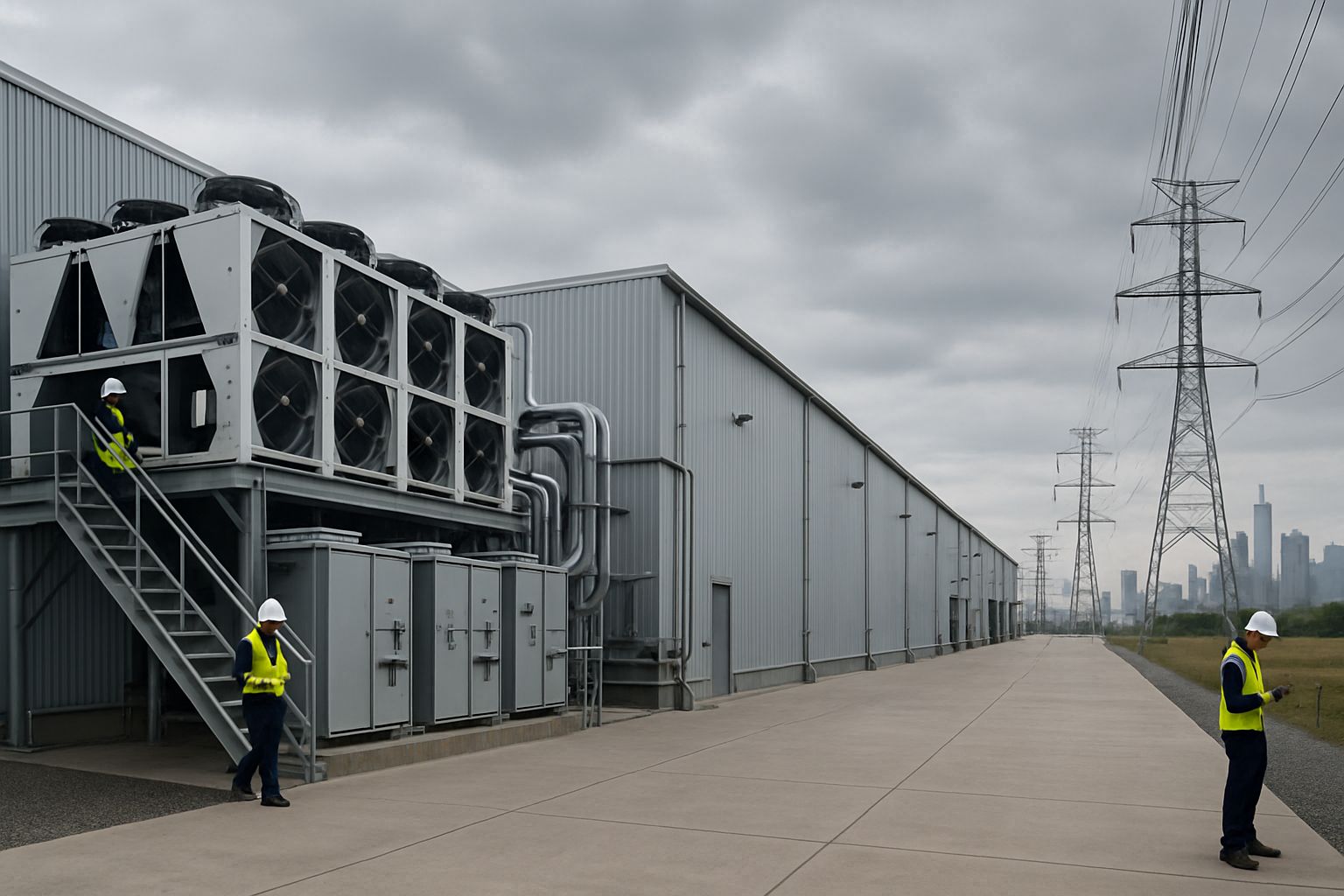
These headline projections frame the coming decade. Therefore, regional analysis becomes the next priority.
Regional Power Use Hotspots
Geography concentrates load today. Currently, the United States accounts for about 45% of Data Center electricity. China follows with roughly 25%, while Europe holds 15%. Moreover, investment doubled since 2022, reaching USD 500 billion in 2024. Consequently, projects cluster near cheap Power and fibre routes. However, several developing nations struggle to attract facilities because of unreliable Grid capacity. AI Energy Demand may widen this digital divide if no action follows. IEA analysts caution that site selection could shift once local incentives and renewables scale. Furthermore, some US states already weigh moratoria due to rising Consumption and water stress.
These regional patterns illustrate concentrated risks and opportunities. Therefore, understanding supply dynamics becomes essential for planners.
Evolving Supply Mix Pressures
Meeting rising load demands diverse generation. Renewables are expected to supply half the incremental electricity needed. Moreover, gas and other dispatchable options backfill variability. Corporate buyers now sign multi-gigawatt Power purchase agreements to secure future capacity. Consequently, wind and solar projects chase hyperscaler dollars. However, transmission additions lag, limiting delivery to urban clusters. The agency warns that permitting delays could strand assets. Furthermore, on-site batteries and small modular reactors gain attention from Data Center operators. These technologies promise firm supply without excessive Grid expansion.
Renewables Lead Incremental Load
Largest cloud firms collectively contracted more than 25 GW of clean capacity last year. Consequently, renewable additions are synchronising with AI Energy Demand growth curves. Nevertheless, dispatchable resources remain essential during seasonal lulls.
Supply diversification can moderate cost volatility. However, physical networks still determine project viability, leading to the next challenge.
New Grid Bottlenecks Emerging
Connection queues now stretch two to ten years in several markets. Moreover, the agency estimates that 20% of planned capacity risks delay. Data Center pipelines in some European regions equal 130% of existing load. Consequently, system operators warn of transformer shortages and limited transmission corridors. In contrast, only about 70% of that pipeline may materialise without intervention. Grid regulators propose streamlined permitting and cost-sharing models. Furthermore, synchronous condensers, advanced conductors, and demand response can unlock latent Power.
- Average connection wait: 2-10 years
- Planned European pipeline: 130% of current capacity
- Realisation risk: up to 30% attrition
- Potential unlocked capacity via AI tools: 175 GW
Consequently, stakeholders explore flexible operation where workloads shift geographically based on real-time Grid conditions.
These constraints expose the physical limits of rapid expansion. Therefore, efficiency breakthroughs could decide ultimate scale.
Efficiency And Uncertainty Factors
Hardware progress remains a key wild card. New accelerator chips cut inference energy per query dramatically. Additionally, software optimisation and liquid cooling enhance overall Consumption efficiency. That High-Efficiency scenario assumes compound improvements near 25% annually. Consequently, AI Energy Demand might plateau below 1,000 TWh by 2035 if gains persist. Nevertheless, adoption often outruns savings, a rebound known as Jevons effects. Brookings analysts therefore urge parallel efficiency incentives and capacity planning.
Efficiency could tame emissions while sustaining innovation. However, action remains uncertain without coordinated incentives.
Strategic Actions For Stakeholders
Policymakers, utilities, and cloud giants must coordinate quickly. Firstly, streamlined interconnection rules can shorten queue times. Secondly, targeted incentives can steer workloads toward regions with surplus Power. Moreover, harmonised siting standards reduce local opposition and accelerate permits. Companies also pursue upskilling to address operational complexity. Professionals can enhance their expertise with the AI Robotics Specialist™ certification.
Data Center operators increasingly adopt flexible scheduling, allowing non-urgent jobs during off-peak hours. Consequently, that practice flattens peaks and eases Grid congestion. Additionally, real-time carbon tracking shifts loads toward cleaner supply windows, lowering Consumption emissions.
- Regional AI Energy Demand forecasts against available capacity
- Policy momentum on transmission funding
- Breakthroughs in chip or cooling efficiency
These steps can balance innovation with sustainability. Nevertheless, consistent global collaboration remains vital.
Coordinated action can cut delays and emissions. Therefore, proactive leadership will shape the trajectory of AI Energy Demand.
Conclusion
AI Energy Demand now sits at the centre of technology and energy strategy. Moreover, the forecasted doubling forces difficult trade-offs. Data Center expansion drives investment, yet raises local Power shortfalls. Consequently, global Consumption and emissions could climb sharply. Nevertheless, efficiency gains, renewables, and smart networks offer mitigation paths. Leaders who anticipate AI Energy Demand trajectories can capture growth while protecting sustainability goals. Therefore, professionals should follow evolving data, pursue certifications, and engage in informed dialogue. Explore emerging solutions and stay ahead of AI Energy Demand by subscribing to our updates today.


