

AI CERTS
5 months ago
Everbloom Turns Waste With AI Design Fabric Luxury Yarn
Furthermore, Italian mills are already running early pilots. This article unpacks the technology, claims, and commercial challenges. Professionals will gain clarity on the opportunity and remaining risks. Ultimately, informed decisions depend on reliable data and independent audits. Meanwhile, the broader industry discards nearly 92 million tonnes of textile waste yearly. Everbloom believes its approach can divert a meaningful fraction of that volume.
Global Textile Waste Crisis
Textile production has surged over two decades. Consequently, global waste has reached alarming levels. The Ellen MacArthur Foundation pegs annual waste around 92 million tonnes. In contrast, less than one percent returns as new garments through true Recycling. Post-consumer Scraps, by comparison, arrive cleaner and sorted.
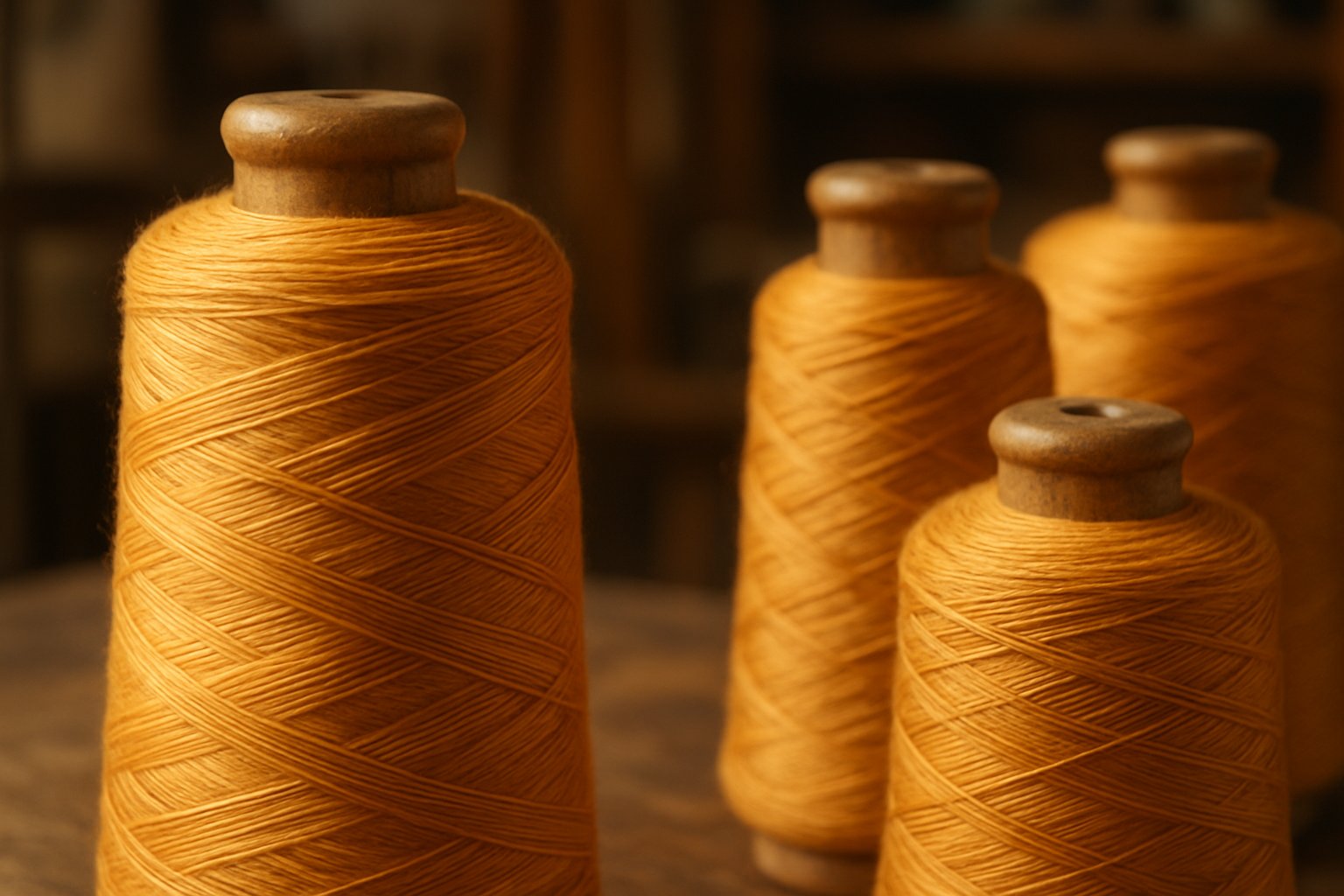
Therefore, startups see factory edge waste as low-hanging feedstock. Keratin rich feathers alone total about 4.7 million tonnes yearly. Yet supply chains rarely valorise that protein. Farmers often landfill or incinerate the by-product.
These figures reveal both a burden and an untapped resource. Massive volumes await innovative processors willing to tackle logistics. Accordingly, we next examine Everbloom’s technical pathway from waste to yarn.
Everbloom Fiber Process Overview
Everbloom sources protein rich pre-consumer Scraps from mills and poultry processors. The company decontaminates, dries, and pulverises the feedstock. Subsequently, a proprietary blend of plasticizers converts the powder into meltable pellets. Pellets enter standard melt-spinning extruders common across synthetic Fabrics lines. Therefore, capital expenditure stays low compared with bespoke reactors.
Engineers can deepen competence through the AI Design certification. Such training clarifies how AI selects parameters that preserve keratin chains. This end-to-end flow exemplifies AI Design Fabric in action.
Feedstock To Fiber Steps
- Collect sorted feather or wool Scraps
- Clean, sterilise, and dry feedstock
- Grind protein into micronized powder
- Blend additives guided by Braid AI
- Extrude pellets into continuous fibers
The five steps resemble conventional polymer processing, easing mill adoption. Moreover, backward integration into existing lines reduces technical risk. Next, we detail how Braid AI determines each critical setting.
Braid AI Optimization Explained
Braid AI ingests spectral data, process logs, and lab tensile results. Consequently, the model predicts final handfeel from early molecular signals. Everbloom trains the system on thousands of pilot iterations. Additionally, active learning suggests new trials, automating laboratory design. Researchers describe the loop as an AI Design Fabric breakthrough.
The algorithm clusters outputs to match target Fabrics like cashmere or nylon. It balances molecular weight to ensure durable Materials despite variable feedstock. The platform recommends extruder temperature, nozzle diameter, and cooling airflow in seconds. Therefore, development cycles drop from months to days according to internal presentations. Nevertheless, independent verification of those cycle times remains pending.
Fast iteration can convert lab promise into industrial reality rapidly. Predictive accuracy, however, still needs peer-reviewed confirmation. With claims outlined, we now examine environmental credibility.
Assessing Sustainability Claims Rigor
Everbloom advertises 99 percent lower water and land impact than conventional Materials. However, the figures rely on internal life-cycle assessments not yet public. Quantis and Textile Exchange have not released corroborating reviews. Consequently, investors demand third-party audits before scaling orders.
Keratin supply logistics present additional carbon variables often overlooked. Feathers travel long distances, potentially eroding claimed savings. In contrast, regional collection hubs could minimise transport emissions.
Transparent data would strengthen market confidence in Everbloom’s model. Until then, sustainability rating agencies will remain cautious. Commercial realities, meanwhile, add their own complexities.
Market And Adoption Barriers
Luxury brands prize feel, drape, and provenance. Therefore, pilot weaving trials with Italian mills matter greatly. Filati Biagioli Modesto reports early yarn softness comparable to premium Fabrics. Nevertheless, full garments must survive wash, abrasion, and consumer scrutiny. Fashion marketing narratives will also influence perception of AI Design Fabric.
Heritage houses guard brand equity fiercely. Consequently, any novel fiber undergoes exhaustive handfeel panels. Braid AI could customise yarn diameter to please specific labels. Moreover, Everbloom offers bespoke dye recipes to match seasonal palettes. Key adoption considerations include:
- Proof of luxury-grade handfeel
- Stable large-volume supply
- Credible Recycling or biodegradation story
Brand concerns underscore that technical metrics alone rarely secure orders. Successful adoption blends performance, storytelling, and compliance. The final section explores where Everbloom heads next.
Future Outlook And Recommendations
Everbloom eyes limited commercial launch in 2026. Seed funding near ten million dollars finances scale-up reactors and quality labs. Moreover, the team plans a keratin collection network across North America. Partnership talks with outdoor Fashion brands signal broader market ambition. Meanwhile, policy shifts in Europe could subsidise industrial Recycling investments.
Industry analysts advise three immediate priorities. First, publish peer-reviewed LCA results detailing boundary conditions. Second, share mechanical data comparing yarn to incumbent Materials. Third, secure multi-year feedstock contracts to avoid volatile Scraps pricing. Consequently, stakeholders will gauge reliability more accurately.
Robust data, strategic partnerships, and transparent governance can unlock scale. Therefore, AI Design Fabric may shift from pilot hype to mainstream production. Before concluding, let us recap critical insights.
Everbloom positions AI Design Fabric as a linchpin for circular luxury. The technology converts protein Scraps into premium Fabrics without novel machinery. Consequently, capital demands stay modest. Nevertheless, broad Fashion acceptance will hinge on independent performance and impact reviews. Publishing peer-reviewed LCA data would ground AI Design Fabric credibility. Securing stable feedstock contracts further de-risks AI Design Fabric commercialization. Moreover, collaboration with certification bodies can standardize quality metrics. Professionals should explore the earlier certification to master AI-driven textile workflows. Finally, investors will watch pilot scale economics, not only headlines. Engage early, demand transparency, and accelerate responsible Recycling solutions.
Disclaimer: Some content may be AI-generated or assisted and is provided ‘as is’ for informational purposes only, without warranties of accuracy or completeness, and does not imply endorsement or affiliation.


