

AI CERTS
11 hours ago
Apple Tests AI Service Notes Inside Genius Bar Pilot
Apple’s retail footprint spans more than 530 locations, yet the pilot currently remains limited. Nevertheless, the experiment signals Apple’s broader interest in retail AI and workflow automation. Observers therefore wonder whether Live Notes could soon underpin every Genius Bar interaction worldwide. This introduction frames the discussion, highlights competing priorities, and sets expectations for a detailed review of benefits, risks, and strategic stakes.
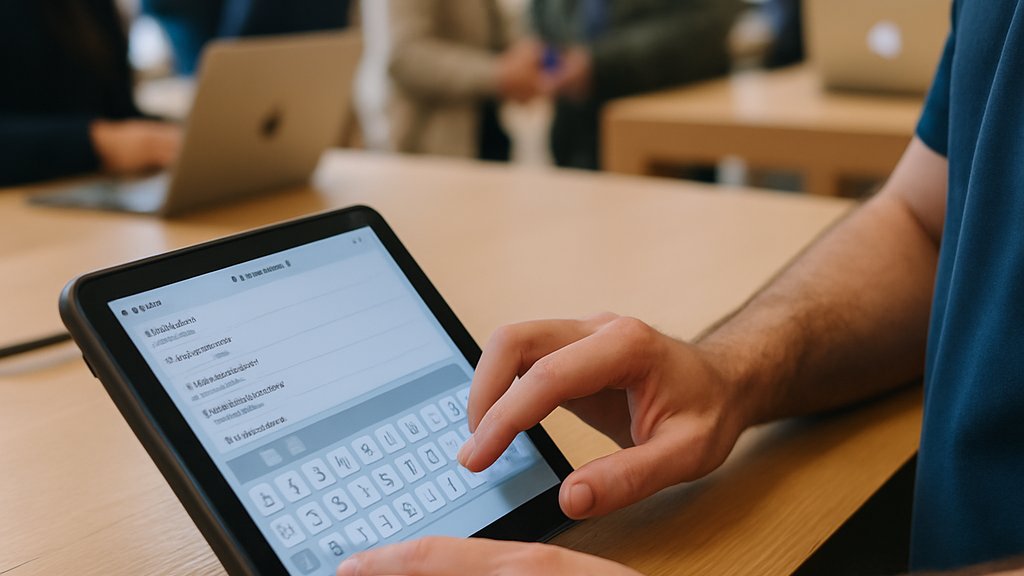
Live Notes Pilot Overview
Bloomberg’s Mark Gurman first disclosed the test on July 19, 2026. Subsequently, outlets like Gizmodo and AppleInsider confirmed that Live Notes operates only when both the technician and customer consent. During the session, microphones capture dialogue, create support transcripts, and generate summarized Genius Bar notes. Importantly, managers cannot access those records during the pilot, according to internal briefings cited by reporters.
No official Apple timeline exists for public rollout. However, retail leaders privately describe the initiative as a multi-phase evaluation. Initial metrics focus on transcription accuracy, employee satisfaction, and service turnaround time. Analysts believe success may accelerate deployment across additional Apple stores within months.
These facts clarify the scope and intent of Live Notes today. Consequently, discussion can now shift toward technical details that influence usability and governance.
Workflow And Data Flow
The pilot embeds Live Notes directly into existing repair workflows through the Genius Bar iPad. Once both parties consent, the device begins recording. Meanwhile, on-device models transcribe speech in near real time, producing readable support transcripts. A second model summarizes key actions, parts needed, and customer concerns, yielding streamlined AI Service Notes.
Technicians may edit the output before attaching it to the repair ticket. Moreover, Apple states that raw audio is discarded after processing. Transcripts are stored locally and synced to back-office systems with end-to-end encryption. Nevertheless, outside experts still seek confirmation about cloud involvement, retention periods, and model training usage.
The following process map distills the workflow:
- Opt-in consent from employee and customer
- Device recording and transcription begins immediately
- Real-time summary generation for concise Genius Bar notes
- Technician review and optional edits ensure accuracy
- Encrypted transfer to central repair workflows database
This sequence underscores Apple’s attempt to balance speed, precision, and privacy. However, effectiveness depends on strict policy enforcement and transparent communication.
Understanding this pipeline illuminates how data shifts between devices and servers. Therefore, the next section examines direct benefits for front-line staff.
Benefits For Store Technicians
Manual note-taking once consumed valuable minutes during every appointment. Furthermore, inconsistent documentation sometimes complicated handoffs when customers returned. Live Notes targets these pain points by auto-producing uniform AI Service Notes, freeing technicians to focus on hardware diagnostics.
Key benefits highlighted by employees include:
- Reduced typing time, accelerating repair workflows
- Standardized language in support transcripts, simplifying follow-up
- Improved eye contact that elevates customer trust
- Lower cognitive load, decreasing burnout risk
Additionally, consistent Genius Bar notes help regional repair centers order parts accurately, shortening device turnaround. Moreover, structured data can power analytics, revealing defect trends across many Apple stores. Consequently, retail operations could proactively allocate inventory, stemming shortages before peak demand.
Efficiency gains clearly entice both workers and leadership. Nevertheless, any upside must be weighed against lingering privacy and monitoring fears.
These advantages paint an optimistic picture. However, privacy considerations demand equal scrutiny, which the following section addresses.
Privacy And Policy Questions
Apple routinely touts privacy as a human right. Nevertheless, the act of recording real-world conversations triggers fresh skepticism. Critics recall the 2019 Siri recording controversy, when contractors overheard intimate details. In contrast, Apple stresses that Live Notes deletes audio quickly, retains only edited support transcripts, and restricts manager access.
Privacy advocates still question whether retained text could enable employee surveillance. Moreover, regulators may probe consent validity, retention duration, and potential model training. Consequently, Apple must craft transparent policies that delimit any future scope creep, especially as retail AI capabilities expand.
Employees also ask if transcripts might later influence performance reviews. Apple currently says no. However, policy adjustments could reverse assurances without collective bargaining. Unions therefore watch the pilot closely, seeking contractual safeguards in any broader rollout.
Many unknowns persist. Yet, Apple’s swift corrective action during the Siri incident indicates possible responsiveness. These uncertainties form the basis for employee unease, which shapes public perception.
The privacy dialogue remains unresolved. Subsequently, examining frontline sentiment provides additional context.
Employee And Public Reaction
Front-line technicians express cautious optimism. They value shorter documentation steps and cleaner Genius Bar notes. However, anxiety surfaces whenever data might support hidden metrics. Meanwhile, some customers welcome written records that capture every troubleshooting step, enhancing transparency.
Gizmodo highlighted several anonymous employees worried that future managers could mine support transcripts for quota enforcement. Additionally, consumer groups question whether opt-in truly feels optional inside bustling Apple stores. Nevertheless, early pilot surveys show most participants appreciate quicker service, suggesting a balanced reception.
Social media debate mirrors these mixed views. Some observers praise Apple for pushing thoughtful retail AI innovation. Others argue that surveillance risks outweigh convenience, citing broader societal concerns about workplace monitoring. Consequently, sentiment remains fluid as additional data emerges.
Reaction trends demonstrate that policy clarity can build or erode trust rapidly. Therefore, Apple’s communication strategy will influence final adoption rates.
These viewpoints reveal stakeholder tensions. Next, strategic analysis explores how Live Notes fits broader retail ambitions.
Strategic Retail AI Implications
Apple invests heavily in on-device intelligence. Live Notes therefore tests whether localized models can meaningfully streamline massive repair workflows without cloud dependence. Success would validate the company’s privacy-centric roadmap and differentiate its stores from competitors.
Moreover, structured data harvested from thousands of future interactions could elevate predictive maintenance, inventory planning, and product design. Consequently, Apple stores might evolve into learning labs that continuously refine hardware durability.
However, governance must scale alongside technology. Failure to maintain trust could invite regulatory constraints that dampen future retail AI initiatives. Additionally, rivals like Samsung or Microsoft may study Apple’s experience, refining their own tooling while avoiding missteps.
Professionals seeking to manage similar deployments can deepen expertise with the AI+ Customer Service™ certification. That program covers consent frameworks, data minimization, and ethical AI principles.
Strategic stakes therefore extend far beyond Genius Bar counters, influencing enterprise retail playbooks globally.
This strategic view highlights potential industry ripple effects. Consequently, the article now turns to closing insights and recommended actions.
Outlook And Next Steps
Live Notes represents Apple’s latest effort to inject AI Service Notes into daily support routines. The pilot promises faster service, standardized documentation, and insightful analytics across Apple stores. Furthermore, accuracy gains may revolutionize Genius Bar notes and broader repair workflows at scale.
Nevertheless, privacy, surveillance, and regulatory questions remain unresolved. Apple must prove that support transcripts stay secure, optional, and never repurposed unfairly. Clear communication, robust consent, and worker protections therefore become critical success factors.
Moving forward, stakeholders should monitor policy disclosures, audit results, and customer satisfaction metrics. Meanwhile, technology leaders can prepare by studying emerging retail AI governance models and pursuing relevant credentials.
Ultimately, the path Apple chooses will either cement trust or trigger backlash. Consequently, industry professionals should stay informed and actively shape ethical standards. Explore advanced practices through the linked certification and position your teams for responsible AI deployment.
Disclaimer: Some content may be AI-generated or assisted and is provided ‘as is’ for informational purposes only, without warranties of accuracy or completeness, and does not imply endorsement or affiliation.


