

AI CERTS
10 hours ago
Shopify Bets On Premium Coding Models For 2026
Furthermore, readers will learn how frontier models compare on capability and price inside an AI developer stack. Industry data, financial filings, and internal metrics ground every insight. Meanwhile, best-practice tips and a relevant certification link appear for professionals chasing an advantage. Nevertheless, each sentence stays concise to maintain clarity. Dive in to understand how Premium Coding Models reshape enterprise coding culture.
Shopify AI Shift Overview
Shopify spent 2025 building an agent foundation; 2026 prioritizes production utility. Moreover, Aquifer and River now underpin every internal agent, separating brains from hands. Consequently, swapping Premium Coding Models requires only a configuration change rather than code rewrites. Quick hosting, public-by-default Slack channels, and durable logs amplify knowledge transfer across thousands of employees.
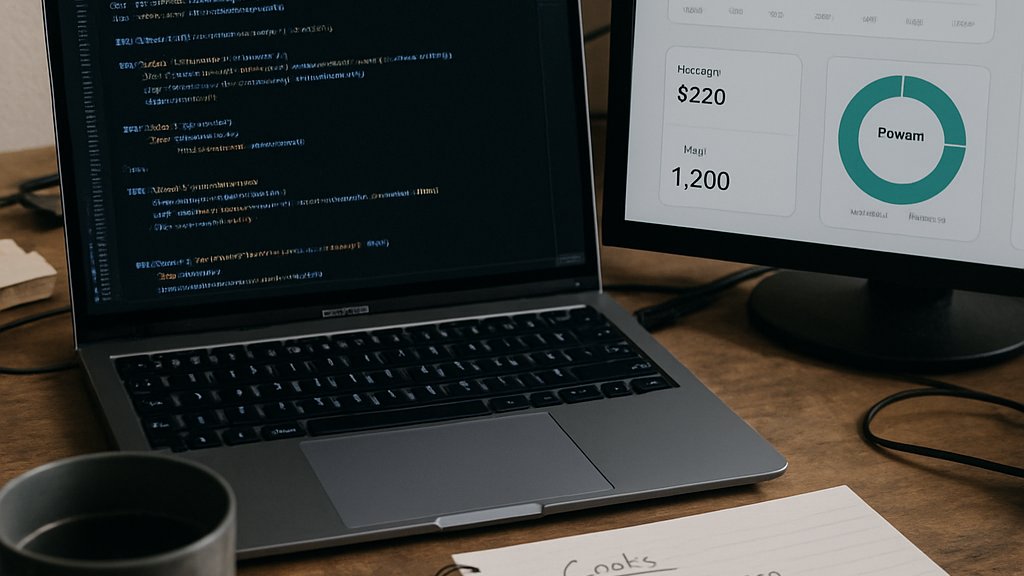
Internal telemetry shows 59,918 River sessions in one month, producing 3,536 coauthored pull requests. In contrast, manual review pipelines once required days, not minutes. Furthermore, Sidekick and Shop Minis expose the same agentic backbone to external developers. As a result, merchants gain AI-driven storefront advice while Shopify engineers validate patterns internally.
Shopify’s architecture makes premium capability the default rather than an experiment. However, costs and governance now command equal attention.
Why Premium Models Matter
Higher tier models handle longer context, complex code reasoning, and multi-tool orchestration. Therefore, agent loops complete faster and fail less often under Premium Coding Models. Shopify product leads openly plan features that assume flagship model performance. Consequently, capability gaps appear immediately when cheaper endpoints drive Sidekick actions.
Industry benchmarks reveal frontier models cut hallucinations by 35% against baseline alternatives. Moreover, premium tiers offer priority throughput, reducing merchant latency during peak seasons. Executive pressure follows, because conversion uplifts of 14% directly hit quarterly targets.
Premium Versus Baseline Data
- Token accuracy improved 31% on refactor tasks.
- Pull request review time dropped 42%.
- Chatbot latency fell 28% at peak.
Premium capability directly maps to merchant revenue and developer speed. Therefore, leadership pushes broad adoption despite higher pricing.
Engineering Workflow Impact Unpacked
Day-to-day work changed visibly for Shopify engineers writing and reviewing code. Instead of typing lengthy boilerplate, developers delegate scaffolding to agents powered by Premium Coding Models. Additionally, River surfaces past fixes, letting newcomers learn context instantly. Pull requests now include agent suggestions, benchmark data, and inline commentary for faster approval.
However, adoption demands new skills around prompt design, tool binding, and model selection strategies. Team leads curate an AI developer stack that blends economy and premium models. Consequently, enterprise coding guidelines now embed quotas and caching policies to manage token spend.
Developer Sentiment Pulse Data
- 71% report higher productivity after three weeks.
- 19% worry about cost overruns affecting bonuses.
- 10% fear skill erosion from agent reliance.
Workflows accelerate yet introduce cultural and financial uncertainty. Nevertheless, finance teams deploy new controls to balance benefits and expenses.
Economics And FinOps Pressures
Shopify’s Q1 filing recorded a $22 million spike in cloud spending tied to AI usage. Moreover, R&D increased $60 million year over year, partly funding model experimentation. GitHub’s pivot to usage-based credits underscores a broader market pivot. Consequently, finance leaders enforce dashboards tracking Premium Coding Models consumption per squad.
Shopify engineers receive weekly reports showing token burn, cost per pull request, and agent idle time. Meanwhile, automatic fallback to cheaper models engages when latency and accuracy thresholds tolerate. That policy embodies smart model selection, protecting margins without halting innovation.
FinOps Best Practices Guide
- Cache frequent prompts to cut redundant tokens.
- Limit agent depth to five iterations.
- Benchmark frontier models quarterly against price shifts.
- Incentivize squads staying within monthly budgets.
Thoughtful governance keeps spending predictable while sustaining top-tier capability. In contrast, unmanaged usage risks eroding subscription margin gains.
Risks And Mitigations Explored
Premium Coding Models create dependency on external vendors with shifting policies. However, Aquifer’s abstraction layer enables quick provider swaps when contracts change. Over-reliance may also dull junior skills as agents handle foundational tasks. Therefore, training rotations now include manual debugging exercises and architecture deep dives.
Enterprise coding ethics demand transparency about data sharing with model hosts. Moreover, privacy reviews scrutinize every new agent tool integration. Frontier models may store transient logs; security teams monitor retention settings carefully.
Key Risk Checklist Items
- Evaluate vendor lock exposure yearly.
- Document fallback providers per agent.
- Audit token logs for sensitive payloads.
Mitigation frameworks protect autonomy, privacy, and skills. Subsequently, teams focus on strategic returns rather than firefighting.
Strategic Takeaways For Leaders
Premium Coding Models now sit at the core of Shopify’s engineering vision. Consequently, decision makers should evaluate capability gains against infrastructure budgets continually. Investing in a flexible AI developer stack offers room to maneuver as pricing evolves. Moreover, codifying model selection principles ensures consistent quality across products.
Leaders should monitor frontier models, because new entrants may undercut incumbents on price. Professionals can enhance their expertise with the AI Developer™ certification. Furthermore, adopting structured FinOps playbooks aligns engineering velocity with boardroom expectations.
Adaptive governance, training, and tooling build resilience. Nevertheless, continuous experimentation remains crucial for sustaining competitive advantage.
Shopify’s journey illustrates how Premium Coding Models transform productivity, commerce, and cost structures. However, successful rollout hinges on balanced model portfolios, clear budgets, and persistent skill development. Consequently, organizations adopting similar approaches must pair agent innovation with rigorous governance. Moreover, leaders should watch token pricing trends and emerging frontier models. Readers aiming to guide enterprise coding roadmaps can bolster competencies through the linked certification. Take the next step today and future-proof your AI developer stack. Premium Coding Models will reward proactive teams that combine experimentation with discipline.
Disclaimer: Some content may be AI-generated or assisted and is provided ‘as is’ for informational purposes only, without warranties of accuracy or completeness, and does not imply endorsement or affiliation.


