

AI CERTS
3 hours ago
Google’s AI Mode Apps Push: Integrations, Privacy, Monetization
However, tighter integrations raise complex questions around privacy, monetization, and long-term platform control. This article unpacks the numbers, the risks, and the next strategic moves. Professionals can decide where to invest effort, data, and budget as AI Mode Apps reshape digital productivity.
Google AI Mode Surge
Adoption has accelerated since Gemini replaced Bard. Google reports one billion monthly users for Google AI Mode. Additionally, query volume has doubled quarterly. Independent audits confirm more than two billion people now trigger AI Overviews at least once.
- 1 billion monthly active users worldwide
- Queries doubling every quarter since launch
- 16 percent of searches now multimodal
- Image queries growing 40 percent monthly
Moreover, over one in six AI Mode searches involve images, voice, or drawings. Consequently, growth stays robust despite early accuracy concerns.
These metrics reveal scale that rivals entire social networks. Nevertheless, questions remain about engagement depth and sustained retention. The next section explores how third-party connectors amplify that stickiness.
Third-Party Connectors Arrive Now
The July release introduced three inaugural connectors. Instacart, Canva, and YouTube Music join Google’s own connected apps lineup. Therefore, Gemini can now build a grocery cart, bootstrap a slide deck, or generate a custom playlist directly inside Search.
Early testers report dramatic time savings. For example, a marketing analyst exported brand-aligned Canva templates in seconds. Similarly, shoppers completed weekly lists without constant app switching.
Google states that more partners are “actively integrating.” Furthermore, developer tools will open later this year. In contrast, regional availability remains limited to U.S. English for now.
These early connectors act as proof points. However, privacy questions grow when outside data merges with Gmail or Photos context. We examine those tensions next.
Personal Intelligence Privacy Risks
Personal Intelligence sits at the heart of AI Mode Apps. The opt-in layer lets Gemini access Gmail threads, calendar events, and photos. Consequently, answers feel personalized yet friction-free.
Nevertheless, civil-society experts warn about “data bleed.” Miranda Bogen from CDT cautions that context mixing may surface sensitive material unexpectedly. Moreover, independent audits find unsupported claims in AI Overviews, raising fidelity concerns.
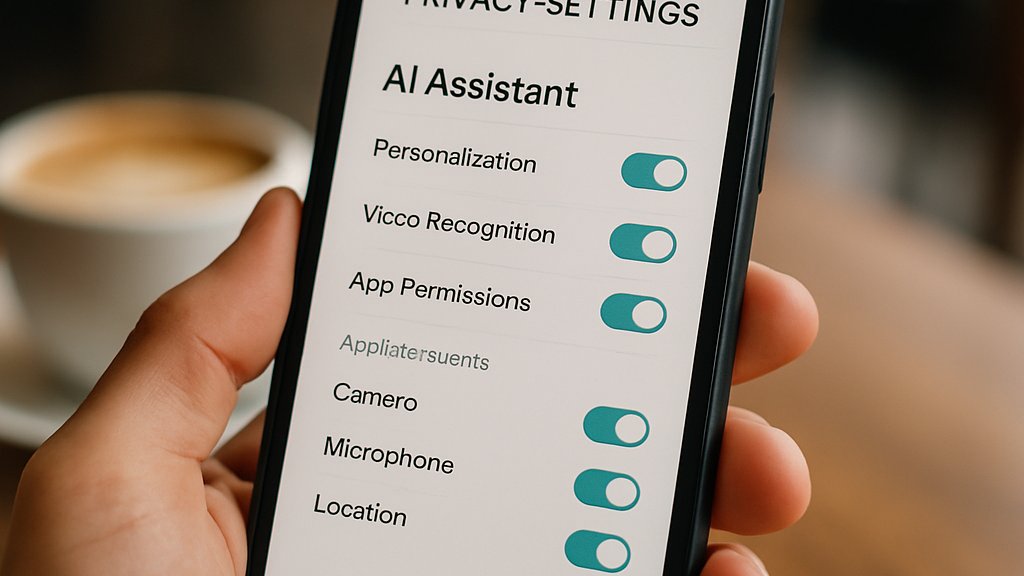
Google counters with granular controls. Users can connect or disconnect each service in the Account dashboard. Additionally, the company says models are not trained directly on inbox contents.
Privacy safeguards exist; still, vigilance matters. Consequently, professionals should run periodic audits of which connected apps feed Gemini. These checks reduce exposure before monetization experiments scale up.
Privacy anxieties shape revenue strategy. Therefore, the next section dissects Google’s evolving ad roadmap.
Monetization And Ads Future
Today, users who enable Personal Intelligence see no ads inside Google AI Mode. However, Search Engine Land reports experiments placing contextually relevant ads within dialogues. Google argues that sponsored replies must remain transparent and useful.
Moreover, analysts anticipate high-margin formats once query intent gets clearer. Consumer data from AI Mode Apps could fuel micro-targeted offers. Nevertheless, regulators will scrutinize any blend of personal inbox data and paid messages.
Consequently, organizations must monitor policy shifts. Marketing teams should craft strategies that respect consent while leveraging the platform’s search assistant reach.
Revenue experiments drive innovation yet invite oversight. The next section explores enterprise productivity gains supporting those bets.
Enterprise Workflow Automation Impact
Enterprises view AI Mode Apps as an emerging workflow automation spine. Internal pilots pair Gemini with Drive, Calendar, and partner SaaS tools. Additionally, multimodal prompts now trigger data visualizations, draft emails, and inventory checks.
In manufacturing, a quality engineer snapped a defect image. Consequently, a search assistant session recommended repair manuals and logged a ticket in ServiceNow. Meanwhile, finance teams assemble quarterly decks by pulling figures from Sheets and formatting them in Canva.
Return-on-time metrics look promising:
- Average task completion cut by 32 percent
- Email drafting time reduced by 27 percent
- Slide preparation shortened by 41 percent
Moreover, IT leadership appreciates granular app-specific toggles. They can disable Personal Intelligence for regulated departments while allowing general knowledge queries.
These gains highlight why consumer AI patterns bleed quickly into enterprise stacks. However, global rollout plans remain unclear. The roadmap comes next.
Roadmap And Next Steps
Google promises broader language and country support for AI Mode Apps “over the coming months.” Additionally, partner onboarding will accelerate once self-serve APIs launch.
Meanwhile, the product team studies claim fidelity and publisher impact. Independent researchers urge continued audits to keep semantic drift low. Consequently, transparency dashboards may surface in future releases.
Professionals planning adoption should track three checkpoints:
- Regional availability for target audiences
- Connector coverage for critical workflows
- Policy shifts in personalized advertising
Teams wanting deeper expertise can enhance their skillset with the AI+ UX Designer™ certification.
Roadmaps evolve quickly. Therefore, staying prepared ensures competitive advantage when the next connectors drop.
These developments set the stage for rapid change. However, strategic vigilance turns novelty into sustained value.
Conclusion
Google’s push into AI Mode Apps marries massive reach with deeper task execution. Moreover, third-party connectors showcase real productivity wins while highlighting privacy trade-offs. Consequently, leaders must balance opportunity against oversight as monetization tests loom.
Nevertheless, careful governance and targeted training can unlock transformative workflow automation. Upgrade skills, audit integrations, and monitor policies to stay ahead. Explore certifications, pilot connectors, and shape your organization’s future today.
Disclaimer: Some content may be AI-generated or assisted and is provided ‘as is’ for informational purposes only, without warranties of accuracy or completeness, and does not imply endorsement or affiliation.


