

AI CERTS
3 hours ago
Rokid and Krys Bring AI Smart Glasses to French Retail
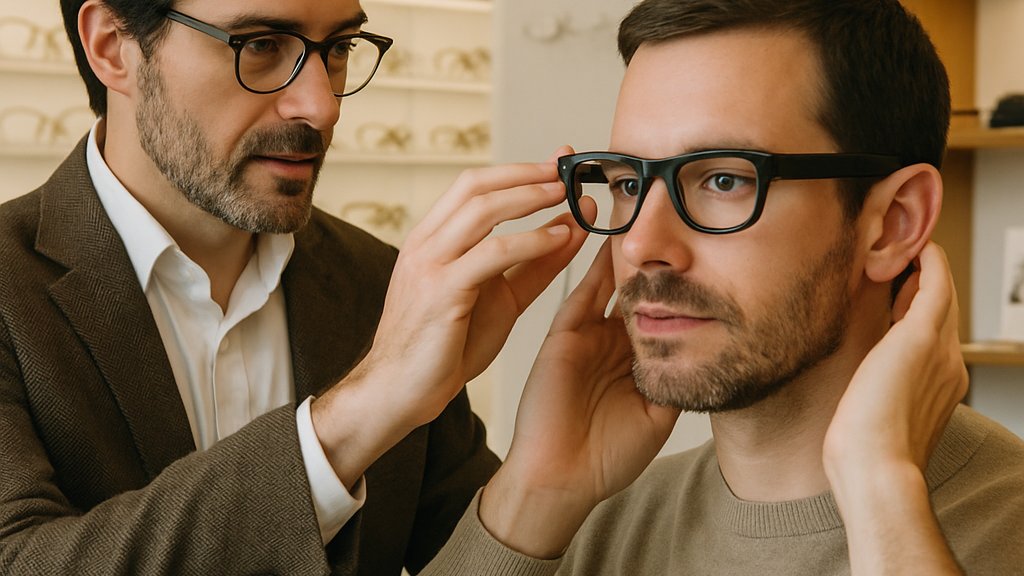
However, success hinges on more than hype. Prescription support, open AI integration, and consistent retail distribution will decide whether Rokid can outpace rivals such as Meta.
Global Market Momentum Rise
Industry forecasts place the global smart glasses segment at US$5.6 billion in 2026. Consequently, vendors are racing to scale production while refining use cases. Rokid claims its AI Smart Glasses lineup positions the company for multiple adoption waves. Meanwhile, Meta and Samsung pursue camera-centric lifestyle wearables, leaving prescription-ready options underserved.
Key market signals already validate demand:
- Nearly US$4 million raised for Rokid Glasses on Makuake.
- More than 15,000 Ai Glasses Style units sold globally.
- Price points: €799 for Rokid Glasses, €449 for Ai Glasses Neo in France.
These numbers indicate sustainable interest beyond early adopters. Therefore, attention shifts to execution in brick-and-mortar outlets. The partnership with Krys provides that crucial channel. Investors now treat Rokid as a core wearable AI contender.
Inside Krys Partnership Rollout
Krys operates 1,709 cooperative stores and serves ten million French customers each year. Additionally, the chain offers on-site optometry, easing prescription lens fitting for smart glasses buyers. Rokid announced at VivaTech that Rokid Glasses and Rokid Ai Glasses Neo will appear in selected Krys locations. Prices remain unchanged at €799 and €449 respectively, aligning with online listings. Such in-store access makes AI Smart Glasses as convenient as traditional eyewear.
Nevertheless, neither company disclosed the rollout calendar or stock allocations. Industry sources expect a phased launch starting with Paris flagship stores, then provincial expansion. In contrast, Selfridges in the UK used a similar phased approach earlier this year.
Transparent timelines will influence consumer trust and media coverage. Consequently, analysts await a Krys statement to clarify dates. Robust retail distribution through Krys can accelerate brand trust. Next, we examine the devices set to fill those shelves.
Rokid Product Line Snapshot
Rokid markets two families of AI Smart Glasses. The screenless Ai Glasses Style weighs 38.5 grams and focuses on audio assistance. It uses a dual-chip design, pairing NXP RT600 with Qualcomm AR1 for power efficiency. Functions include hands-free translation, transcription, and 4K camera capture.
Display-based Rokid Glasses add micro-LED visuals for navigation overlays and media playback. However, added optics increase weight yet remain below 49 grams. Moreover, both variants integrate multiple AI assistants including Gemini, ChatGPT, Qwen, and DeepSeek. Consequently, latency drops enhance human-computer interaction during dictation tasks. The dual-chip approach exemplifies best practices in wearable AI engineering.
The breadth of options lets users prioritize display richness or battery life. Therefore, service integration becomes the next differentiation layer. That advantage rests in Rokid’s open ecosystem.
Open AI Ecosystem Advantage
Most competitors lock users into a single assistant. By contrast, Rokid lets wearers switch between Gemini, ChatGPT, or regional models on demand. Consequently, privacy rules and language preferences find seamless accommodation. This flexibility differentiates AI Smart Glasses from locked-down alternatives.
Developers gain an SDK that abstracts device limits. Additionally, cloud inference offloads heavy tasks, while on-device chips handle wake words and simple queries. Such architecture improves battery life without degrading response time.
Open ecosystems also encourage third-party accessories like Mudra’s neural wristband for gesture input. Meanwhile, corporate buyers can integrate proprietary models under existing security controls.
Therefore, the platform advantage extends beyond hardware specifications. Next, we explore how Rokid plans to distribute that advantage at scale.
Strategic Retail Distribution Tactics
Retail distribution represents Rokid’s central growth lever outside Asia. During Vision Expo, executives highlighted partnerships with Selfridges, Fnac, Darty, and Boulanger. Furthermore, U.S. pop-ups test price elasticity before a broader optical rollout.
Physical stores solve two persistent barriers. Firstly, buyers can assess frame comfort with their own prescriptions. Secondly, in-store demonstrations demystify human-computer interaction features for hesitant adults.
For retailers, the category offers distinct upsides:
- Higher average basket value from lens packages and accessories.
- Cross-selling opportunities with hearing aids and wearable AI devices.
- Brand differentiation through tech-forward showroom experiences.
Consequently, optical retailers stand to gain recurring service revenue. Therefore, effective shelf placement can convert curiosity into AI Smart Glasses purchases. The next section weighs potential headwinds.
Opportunities And Key Risks
Every emerging category faces scrutiny over privacy and durability. Smart glasses still evoke memories of Google Glass backlash.
Nevertheless, Rokid omits facial recognition and stores images locally by default. Furthermore, a physical camera LED alerts bystanders during recording. Such safeguards are essential for AI Smart Glasses to gain mainstream trust.
Human-computer interaction acceptance also depends on social styling. Therefore, Rokid offers multiple frame colors and supports prescription inserts.
In contrast, hardware recalls or supply shortages could stall momentum. Consequently, diversified manufacturing partners remain essential.
Risks appear manageable yet require proactive governance. Finally, we assess enterprise implications.
Enterprise Adoption Outlook 2026
Enterprises seek hands-free knowledge capture in logistics, healthcare, and field service. AI Smart Glasses provide real-time transcription and multilingual overlays without distracting handheld screens.
Moreover, the open ecosystem lets IT teams host internal models for sensitive workflows. Meanwhile, lightweight designs satisfy shift-long comfort requirements.
Decision makers cite three immediate benefits:
- Lower training time through contextual prompts.
- Reduced error rates during inspections with wearable AI support.
- Faster documentation via automatic voice notes.
Consequently, analysts predict accelerated pilot programs after the Krys rollout proves mainstream appeal. Enterprise traction could push annual shipments beyond current forecasts. The following conclusion synthesizes these insights. Such wearable AI efficiencies drive rapid ROI.
Conclusion And Next Steps
Rokid’s alliance with Krys signals a pivotal test for AI Smart Glasses in everyday European life. Strong crowdfunding, proven manufacturing, and flexible human-computer interaction features create solid foundations. However, retail distribution timing, privacy safeguards, and supply stability will ultimately shape public perception. Moreover, enterprises now watch consumer reactions to inform industrial pilots. Professionals can enhance their expertise with the AI+ UX Designer™ certification. Consequently, those trained in wearable AI design will meet rising corporate demand. Stay informed, experiment responsibly, and seize opportunities as AI Smart Glasses reshape modern workflows.
Disclaimer: Some content may be AI-generated or assisted and is provided ‘as is’ for informational purposes only, without warranties of accuracy or completeness, and does not imply endorsement or affiliation.


