

AI CERTS
3 hours ago
Neonatal AI Monitoring Drives Next-Gen Infant Care
In contrast, privacy groups warn that expanded data flows may outpace current safeguards. This article maps the market forces, technical advances, and policy questions shaping the next era of Neonatal AI Monitoring. Newborn monitoring practices are evolving rapidly.
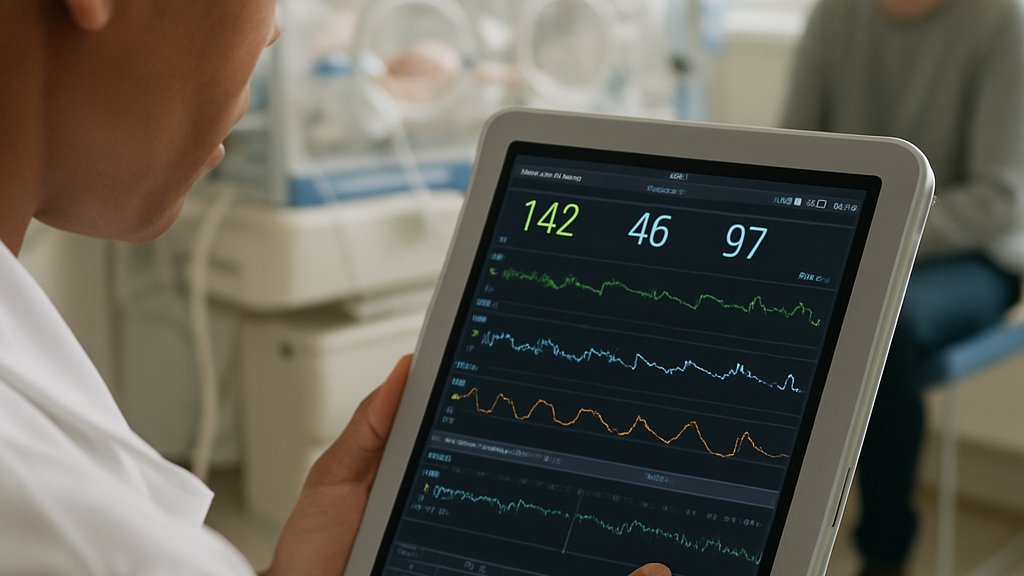
Smart Monitor Market Momentum
Market growth looks broad, yet uncertain in magnitude. ResearchAndMarkets projects a climb from $1.84 billion in 2025 to $2.78 billion by 2030. Furthermore, analysts cite mid-single-digit to low-double-digit compound growth rates.
Owlet illustrates commercial traction. The firm recorded $105.7 million revenue for 2025, up 35 percent year over year. Additionally, more than 110,000 families now pay for the Owlet360 analytics service. CEO Jonathan Harris called 2025 “a defining chapter” that recast the company as a data platform.
However, subscription dependence raises retention risks if features stagnate. Public healthcare buyers also scrutinize affordability amid resource constraints. These dynamics may shape pricing for Neonatal AI Monitoring services in coming quarters.
The market shows robust revenue and subscriber growth. Nevertheless, cost pressures could test future expansion. Consequently, technology differentiation becomes vital as we compare competing approaches next.
Monitoring Technology Approaches Compared
Three architectures dominate the field today. Wearable pulse-oximetry socks measure oxygen saturation and heart rate continuously. Camera systems use RGB, infrared, or depth sensors to estimate motion and breathing without contact. Meanwhile, radar devices such as Momcozy’s BM08 exploit mmWave reflections for similar metrics.
Each approach offers trade-offs. Wearables deliver direct physiological data yet require correct placement and battery upkeep. In contrast, camera and radar devices avoid skin contact, improving maternal health workflows in neonatal wards. However, heavy blankets or room clutter can hamper signal fidelity.
Clinical AI algorithms overlay the raw data with higher-level classifications. Cry detection, sleep staging, and anomaly alerts now ship on many consumer units. Moreover, companies claim false-alarm reductions thanks to context models trained on millions of minutes of newborn monitoring footage.
Depth-camera studies published in Pediatric Research reported 93.8 percent sensitivity and 92.2 percent specificity against manual scoring. Furthermore, a 39-infant feasibility study found minute-level sleep tracking feasible with the Owlet Dream Sock. Such metrics illustrate progress, yet head-to-head validation across devices remains limited.
Different platforms thus balance convenience, accuracy, and usability. Nevertheless, regulation and safety ultimately determine market access. The next section examines those pressures in detail.
Regulatory And Safety Pressures
Regulation for Neonatal AI Monitoring devices remains fragmented. The FDA classified some consumer socks as medical devices in 2021, prompting withdrawals. Subsequently, Owlet secured 510(k) clearance for its prescription BabySat variant, restoring partial legitimacy.
Fire risks persist outside the AI layer. Earlier this year, Babysense recalled Max View parent units for potential overheating. Furthermore, cybersecurity audits revealed insecure data streams in certain camera models.
Public healthcare agencies demand outcome evidence before endorsing large-scale rollouts. However, randomized trials linking monitoring to reduced sudden infant death remain absent. Therefore, many hospitals treat consumer systems as adjuncts rather than replacements for certified bedside gear.
Professionals can deepen governance expertise through the AI in Healthcare™ certification. Such training equips product leads to navigate clinical AI compliance swiftly.
These regulatory and safety signals create both barriers and catalysts. Consequently, companies are adjusting business strategies, as the next segment illustrates.
Clinical Evidence And Gaps
Peer-reviewed evidence remains sparse relative to marketing claims. Touchless camera studies cover just 61 neonates across three sites. Moreover, diversity in skin tones, gestational ages, and room environments is limited.
Researchers call for larger randomized trials measuring morbidity, readmission, and caregiver stress. Additionally, they urge cross-device benchmarking that spans wearables, camera, and radar systems. Without such data, Neonatal AI Monitoring may struggle to secure institutional adoption. Mobile diagnostics logs would also help validate algorithms outside laboratory settings.
Data governance also lags. Privacy audits show opaque retention policies and cross-border transfers. In contrast, regulators increasingly expect transparent impact assessments for clinical AI tools.
Evidence gaps and governance issues temper enthusiasm today. Nevertheless, changing revenue models could finance the required trials, as explored next.
Business Models Shift Rapidly
Subscription analytics now drive recurring revenue. Owlet360 charges a monthly fee for personalized sleep insights. Meanwhile, Nanit markets premium video history and clinical AI features under similar tiers.
Companies leverage these datasets to refine algorithms and upsell adjunct services. For example, predictive nap scheduling integrates newborn monitoring trends with parental mobile diagnostics reminders. Moreover, aggregated insights may interest insurers focused on maternal health outcomes.
However, data monetization invites criticism. Public healthcare advocates question whether families should pay to access their own infant’s physiology. Consequently, transparent value demonstrations become critical for sustained Neonatal AI Monitoring adoption.
The pivot toward data services promises higher margins. Nevertheless, only robust evidence will unlock reimbursement at scale. The final section looks toward emerging opportunities.
Future Outlook And Recommendations
Advances in edge computing may soon enable on-device processing, reducing cloud exposure. Additionally, federated learning could let vendors train clinical AI models without exporting raw newborn monitoring data. These shifts may ease privacy concerns while preserving accuracy. Furthermore, enhanced Bluetooth standards could link baby wearables with mobile diagnostics dashboards used by visiting nurses.
Researchers recommend three immediate actions:
- Launch randomized trials covering diverse populations and maternal health contexts.
- Publish open validation datasets comparing wearables, camera, radar, and clinical AI output.
- Adopt transparent data-governance frameworks aligned with public healthcare mandates.
Professionals who lead these initiatives should bolster their credentials. Therefore, they may consider the AI in Healthcare™ program to formalize Neonatal AI Monitoring competencies.
The industry faces technical, regulatory, and social hurdles. Nevertheless, coordinated research and clear governance can unlock safer, equitable growth for Neonatal AI Monitoring.
Neonatal AI Monitoring now spans wearables, cameras, and radar, each promising actionable insights for caregivers and clinicians. Market forecasts signal strong demand, yet regulatory scrutiny and evidence gaps persist. Moreover, privacy, safety, and price concerns continue to influence adoption decisions.
Nevertheless, collaboration across industry, academia, and public healthcare can convert Neonatal AI Monitoring promise into measurable outcomes. Consequently, leaders should pursue rigorous trials, transparent governance, and specialized training. Begin that journey by exploring the AI in Healthcare™ certification and drive responsible innovation.
Disclaimer: Some content may be AI-generated or assisted and is provided ‘as is’ for informational purposes only, without warranties of accuracy or completeness, and does not imply endorsement or affiliation.


