

AI CERTS
3 hours ago
Predictive Maintenance AI: Shell, C3 AI Extend Global Reliability
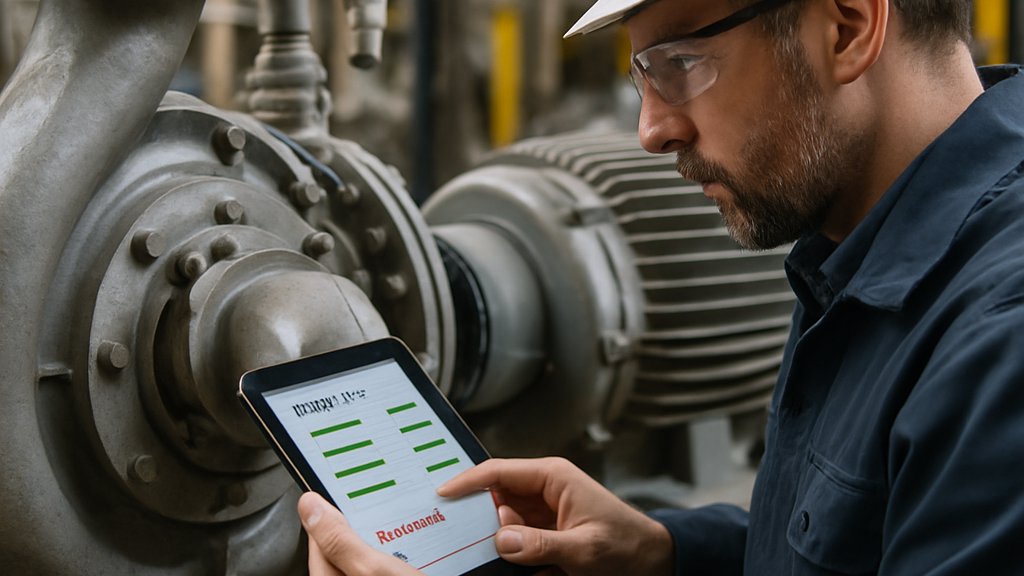
This article unpacks the business context, technical architecture, benefits, and open questions. Readers gain actionable insight for planning large-scale asset reliability programs in volatile markets. Additionally, it places the initiative inside a predictive maintenance market projected near USD 14 billion in 2025. These numbers highlight why leaders must now evaluate platform choices, governance, and talent pathways before competitors do.
Partnership Expands Global Footprint
Shell first selected C3 AI as its enterprise AI platform in 2018. Subsequently, the parties renewed for five years in 2021, signaling early success. The new multi-year extension announced in June 2026 further entrenches the alliance.
Under the latest agreement, C3 AI Reliability now monitors more than 13,000 pieces of equipment. Furthermore, coverage spans upstream, midstream, and downstream operations on six continents. Microsoft confirmed that all workloads run on Azure for consistent governance and elasticity.
Analysts view the project as among the largest industrial automation deployments yet disclosed. Therefore, the partnership sets a reference architecture for other energy majors weighing platform decisions.
In summary, iterative renewals demonstrate compounding trust and results. However, scale alone does not explain the market momentum, which the next section explores.
Industrial AI Market Tailwinds
Global demand for uptime drives brisk growth in Predictive Maintenance AI adoption. Grand View Research predicts the sector will hit USD 14.3 billion next year with 25% CAGR. Moreover, adjacent reports from IMARC echo similar double-digit expansion forecasts.
Rising sensor density, cheaper cloud storage, and more mature MLOps pipelines fuel investment. In contrast, talent scarcity and fragmented data remain bottlenecks for late adopters. Consequently, platformized offerings from vendors such as IBM or AWS attempt to compress deployment timelines.
Gartner believes industrial automation spending will outpace general IT budgets through 2028. Leaders therefore pivot budgets toward solutions promising measurable asset reliability gains.
These tailwinds underline why investors reward vendors scaling fast. The technical blueprint behind Shell’s rollout illustrates that scaling story.
Technical Stack And Scale
The deployment sits on Azure Kubernetes Service with data ingested through Shell’s historian gateways. Data pipelines feed time-series signals, maintenance logs, and environmental context into the C3 AI model repository. Next, feature engineering frameworks transform raw streams into predictive vectors hourly.
Model ensembles within the Predictive Maintenance AI forecast remaining useful life and anomaly probabilities for each asset. Additionally, predictions surface in dashboards linked to work-order systems, triggering technician dispatch. Azure Monitor provides health metrics while Shell maintains security baselines through its central SOC.
Scale matters because every additional pump increases statistical power and reusable component libraries. Therefore, the platform claims accelerated onboarding of new equipment categories after the first thousand units.
In short, the stack blends cloud elasticity with domain IP. However, functionality expands further with emerging agentic modules.
Agentic Capabilities Enter Operations
Traditional dashboards notify engineers to investigate probable faults. Agentic tools now automate root-cause analysis within the Predictive Maintenance AI environment. Moreover, the system can orchestrate multi-step workflows, such as ordering spare parts automatically.
Shell limits autonomous execution to advisory mode during the initial phase. Nevertheless, executives hinted at gradual escalation toward closed-loop control where risk thresholds permit. Governance reviews include explainability tests, cost monitoring, and cybersecurity penetration assessments.
IBM research warns that agentic AI increases attack surfaces and compliance complexity. Consequently, Shell’s decision to integrate guardrails could become best practice across industrial automation programs.
Agentic features promise efficiency yet introduce fresh liabilities. The next section quantifies expected returns alongside caution.
Benefits And Measurable Impact
C3 AI publicly claims “hundreds of millions” in avoided downtime for Shell. While independent audits remain pending, historical field data suggests meaningful savings. Moreover, predictive work orders reduce overtime labor and spare-parts waste.
Key metrics from prior rollouts illustrate tangible progress:
- Predictive Maintenance AI cut unplanned downtime up to 20% on monitored turbines.
- Maintenance planning cycle trimmed from weeks to days by Predictive Maintenance AI.
- Mean time between failures improved 12% on high-pressure compressors.
- Safety incidents linked to equipment faults fell three percentage points.
Furthermore, earlier insights unlock production optimization, lifting throughput even without failure events. These benefits reinforce asset reliability initiatives already prioritized by energy boards.
Economic impact appears material yet still partially vendor-reported. Therefore, understanding associated risks remains crucial.
Risks Demand Strong Governance
Vendor dependence surfaces first. Shell contributes proprietary models into a vendor ecosystem, creating potential lock-in. Moreover, performance portability remains uncertain if leadership switches platforms later.
In contrast, open standards like OPC UA and OSDU may mitigate migration pain. Agentic modules also carry safety implications if Predictive Maintenance AI controls malfunction. Therefore, change management and staged activation remain mandatory governance steps.
Regulators increasingly demand audit trails for AI-driven maintenance decisions. Another risk involves cost creep from unchecked cloud consumption on Azure. Consequently, finance teams now track per-asset reliability spend against avoided loss.
Robust governance balances innovation against these hazards. The final section translates lessons into strategic action.
Strategic Takeaways For Leaders
Energy executives should first ground initiatives in quantified business cases. Next, allocate cross-functional squads combining data science, operations, and cybersecurity. Additionally, mandate integration of Predictive Maintenance AI metrics into enterprise dashboards for transparency.
Contractually preserve intellectual property rights and negotiate off-ramps for future vendor changes. Meanwhile, embed model explainability checks within routine reliability audits. Professionals can sharpen expertise via the AI Supply Chain™ certification.
Moreover, share anonymized results with industry consortia to accelerate collective learning. Such collaboration strengthens industrial automation ecosystems while reinforcing brand leadership.
Deliberate execution turns promising algorithms into sustained economic value. The conclusion recaps core insights and outlines next steps.
Conclusion
Shell’s journey illustrates how Predictive Maintenance AI scales when business and technology align. Consequently, iterative renewals, cloud elasticity, and agentic automation combined to monitor 13,000 assets. Measured benefits include lower downtime, safer crews, and leaner inventories across complex value chains.
Nevertheless, vendor lock-in, governance gaps, and cost creep remain unresolved risks. Therefore, leaders should balance innovation with open standards, staged rollouts, and transparent economics. Professionals who master Predictive Maintenance AI can drive that balanced agenda and capture emerging value. Explore the linked certification to stay ahead in the data-driven reliability revolution.
Disclaimer: Some content may be AI-generated or assisted and is provided ‘as is’ for informational purposes only, without warranties of accuracy or completeness, and does not imply endorsement or affiliation.


