

AI CERTS
2 months ago
Gulf AI Infrastructure Crisis: Cable Shortage Imperils Boom
Meanwhile, hyperscalers keep announcing giant data centers across Saudi Arabia and the UAE. This article examines how cable bottlenecks threaten regional connectivity and outlines possible mitigations. Finally, we highlight skill paths and certification options for network professionals.
Gulf Growth Meets Limits
Microsoft, G42, and Humain have pledged multi-billion programs for Gulf data centers. Additionally, Amazon and Google scout Riyadh and Abu Dhabi for their next hyperscale regions. Regional officials claim planned capacity already tops two gigawatts. Consequently, rack space may grow faster than fiber pathways. Market watchers warn an AI Infrastructure Crisis could undercut return models and service guarantees. Furthermore, financiers consider latency and uptime clauses before releasing funds.
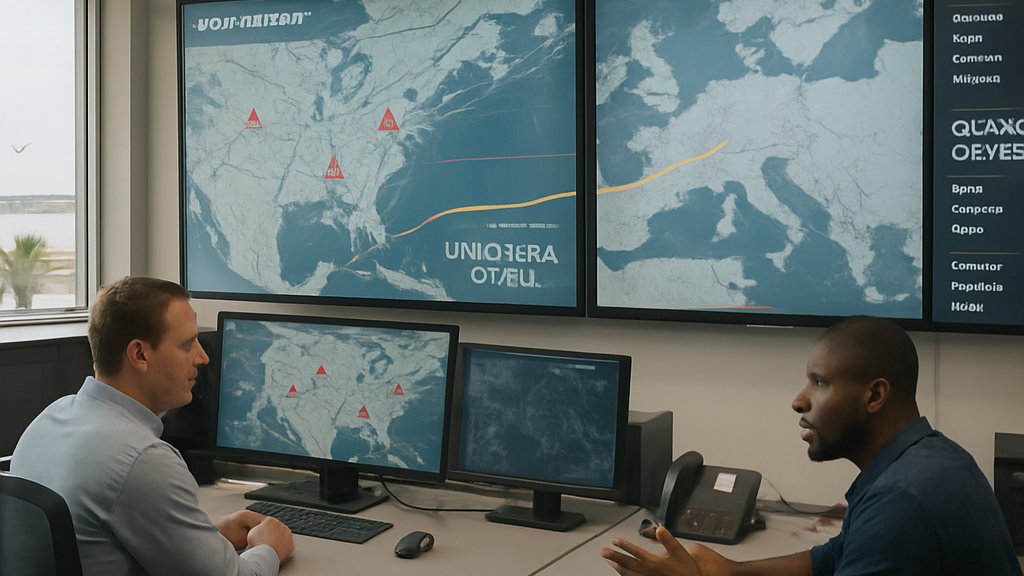
- Humain targets SAR 20 billion for 2 GW within three years.
- Microsoft and G42 add 200 MW in the UAE this cycle.
- Global subsea cable investment hits $13 billion between 2025 and 2027.
These numbers illustrate extraordinary demand. However, infrastructure beneath the waves remains the ultimate gatekeeper. The next section details how vessel scarcity amplifies the tension.
Vessel Shortage Compounds Delays
Cable laying requires a niche global fleet of about sixty ships. Moreover, the average hull is twenty-five years old. Utilization rates already exceeded 80% before the Iran war. Subsequently, one owner invoked force majeure and withdrew a key vessel. Stalled projects include expansions feeding Saudi Arabia and the UAE. Consultants predict year-long slips for at least four Gulf subsea cables. Therefore, backup capacity cannot enter service on schedule.
Repair windows also tighten because mines and drones threaten work sites. In contrast, Atlantic routes enjoy multiple standby ships within days. Consequently, a single Gulf cable break could isolate data centers for weeks. That scenario would deepen the current AI Infrastructure Crisis.
Vessel limitations transform financial plans into logistical puzzles. Meanwhile, geopolitical risk magnifies every delay.
Geopolitics Raises Cable Risk
The Strait of Hormuz funnels multiple active systems into a narrow corridor. Iranian media now hint at transit fees or control rights. Furthermore, hostile activity already disrupts merchant shipping. Subsea cables share the same seabed and exposure. TeleGeography counts at least eight landings within 50 kilometers. Consequently, simultaneous strikes could remove most Middle East capacity.
Regional planners therefore stress route diversity across land corridors. However, overland fibers cross unstable borders and require complex permits. In contrast, new Red Sea routes face piracy and Houthi mines. Each option complicates budgets yet remains vital to avert the AI Infrastructure Crisis.
Political turbulence turns engineering challenges into strategic threats. The following section explores performance issues that worry application teams.
Route Diversity Challenges Persist
Engineers design mesh networks that split traffic among independent corridors. Moreover, hyperscalers request three physically separated subsea cables for every Gulf region. Unfortunately, geography offers limited shorelines outside chokepoints. Therefore, proposed WorldLink and SilkLink plans push toward Pakistan and East Africa. Financing remains uncertain amid the AI Infrastructure Crisis.
Meanwhile, terrestrial fiber across Jordan and Egypt could add resilience. Nevertheless, political clearances and security patrols inflate costs. Consequently, some operators accept higher latency to gain redundancy. Additionally, content platforms rely on seamless internet delivery to retain users.
Route options exist yet carry trade-offs in cost and latency. Next, we examine why milliseconds now matter more than ever.
Latency Threatens AI Rollouts
AI inference depends on low latency for interactive applications. Additionally, distributed training needs symmetric bandwidth across regions. Every extra millisecond degrades user experience and model convergence. Researchers note chatbots lose engagement after 150 milliseconds. Subsea cable outages could push Gulf responses above that threshold. Therefore, enterprises risk SLA penalties during an AI Infrastructure Crisis.
Saudi Arabia ventures targeting fintech see latency as a competitive edge. Similarly, UAE e-government portals must deliver instant authentication. Consequently, investors demand clarity on repair times.
Latency concerns reinforce the urgency of physical upgrades. We now turn to funding and mitigation strategies.
Investment And Mitigation Paths
Several consortia accelerate purchasing slots in Asian shipyards for new vessels. Moreover, insurers explore risk pools to cover Gulf repairs. Governments also negotiate safe corridors with naval escorts. Microsoft proposed satellite failover for critical authentication tokens. However, satellites cannot replace subsea cables for bulk internet capacity. Private equity funds pitch dark fiber buys to integrate with fresh land routes. Such measures, if coordinated, could relieve the AI Infrastructure Crisis by decade’s end.
- New-build vessels need 36 months from order to launch.
- Redundant terrestrial routes may add 10 ms average latency.
- Insurance premiums rose 25% after the 2026 clashes.
Capital and policy tools do exist. Nevertheless, skilled engineers must implement these solutions effectively.
Skills And Certification Outlook
Gulf employers now seek specialists in optical networking and submarine operations. Additionally, security teams must monitor maritime threats alongside cyber threats. Professionals can enhance their expertise with the AI Network Security™ certification. The program covers route diversity, latency modeling, and incident response. Consequently, graduates gain leverage in projects shaped by the AI Infrastructure Crisis.
Universities in Saudi Arabia and the UAE expand curricula around resilient connectivity. Moreover, vendor bootcamps offer compressed courses for existing staff. Employers reward combined electrical and marine backgrounds.
Talent pipelines will decide whether planned data centers meet timelines. Finally, let us recap the critical insights and next steps.
Gulf ambitions remain bold, yet physical realities impose caution. Subsea cables, vessel scarcity, and regional conflicts together spark the AI Infrastructure Crisis. Left unchecked, the AI Infrastructure Crisis could derail regional diversification strategies. However, coordinated investment, policy assurances, and skilled teams can prevent prolonged disruption. Data centers in Saudi Arabia and the UAE will thrive only if connectivity keeps pace. Consequently, stakeholders must prioritize route diversity and faster repair capacity now. Professionals eager to lead these efforts should pursue advanced credentials. Therefore, explore the linked certification and join the engineers safeguarding Middle East digital growth.
Disclaimer: Some content may be AI-generated or assisted and is provided ‘as is’ for informational purposes only, without warranties of accuracy or completeness, and does not imply endorsement or affiliation.


