

AI CERTS
1 month ago
Sequoia Bets Big on Automated Metal Fabrication
This article unpacks the financing, market drivers, technology stack, and looming challenges. Readers will learn why Automated Metal Fabrication is pulling capital, how SendCutSend plans to deploy funds, and what competitors must watch.
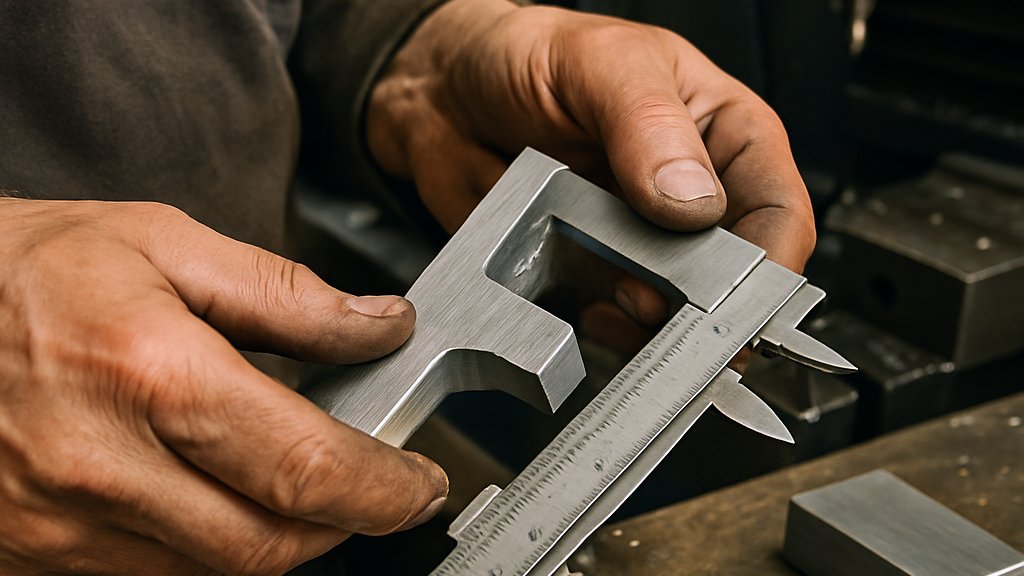
Automated Metal Fabrication Unicorn
Wall Street Journal coverage states Sequoia and Paradigm co-led the oversubscribed round. Meanwhile, Stripe founders Patrick and John Collison joined, adding fintech credibility. Sequoia’s move places Automated Metal Fabrication squarely within the firm’s long-term thesis on industrial transformation. SendCutSend now carries an estimated $1 billion valuation after producing more than 30 million parts across three U.S. factories.
Founder Jim Belosic bootstrapped early growth through disciplined equipment financing. However, rising demand for domestic manufacturing automation pushed capital requirements higher. The fresh cash will fund additional laser capacity, new bending lines, and software upgrades that tighten quoting accuracy. Consequently, Automated Metal Fabrication shifts from capital-efficient venture to full-blown scale play.
These milestones validate the startup’s integrated model. Nevertheless, investor enthusiasm also raises expectations for sustained triple-digit growth. The next section examines the external forces shaping that outlook.
Market Forces Align Fast
Several macro currents converge around this deal. In contrast to decade-old outsourcing habits, U.S. hardware teams now favor nearshoring to cut geopolitical risk. Furthermore, IntelMarketResearch projects the custom parts market will exceed $4.6 billion in 2024 with double-digit CAGR through 2032. Automated Metal Fabrication stands to capture outsized share because digital workflows compress lead times.
Cost inflation once crippled stateside machining. Nevertheless, software-directed tool paths and automated nesting boost material yield, offsetting higher steel prices. SendCutSend leverages these efficiencies to keep margins healthy while maintaining high-precision processing. Sequoia believes that dynamic demand environment justifies aggressive facility expansion.
These favorable tailwinds highlight why capital poured in quickly. However, a closer look at reshoring sentiment reveals deeper momentum.
Reshoring Demand Rapidly Rises
Defense primes, robotics startups, and hobbyists share one priority: speed. Consequently, thousands of engineers upload CAD files weekly, seeking parts within 48 hours. SendCutSend answers with an automated quote engine that integrates inventory, machine status, and courier data. Moreover, its U.S. footprint simplifies export compliance, an advantage when security regulations tighten.
Xometry and Protolabs pioneered similar portals, yet SendCutSend’s ownership of production lines ensures tighter feedback loops. That control enhances manufacturing automation and reduces scrap. Industry analysts note that reshoring could funnel billions into domestic fabs over the next five years. Automated Metal Fabrication platforms positioned with real estate and software will collect the lion’s share.
The reshoring surge establishes strong baseline demand. The following section explores how proprietary software converts that demand into defensible margins.
Factory Software Edge Deepens
Behind every cut line sits code. SendCutSend stacks custom order routing, dynamic pricing, and computer-vision inspection on top of industrial controllers. Therefore, machines idle less, and operators address exceptions sooner. Sequoia’s partners reportedly pushed for even deeper integration of AI modules that predict tool wear and optimize gas flow.
This strategy exemplifies modern manufacturing automation. High sensor density and cloud analytics unlock continuous improvement in cycle times. Moreover, Automated Metal Fabrication gains scalability without linear head-count growth, a crucial advantage during labor shortages.
High Precision Advantage Explained
High-precision processing sits at the heart of SendCutSend’s value proposition. The company advertises tolerances within ±0.005 inches on laser-cut aluminum. Additionally, it offers waterjet, CNC routing, and tube cutting under the same roof. Customers can bundle anodizing, powder coat, and tapping, eliminating multi-vendor coordination. Consequently, parts ship ready for assembly, shortening product iteration loops.
The process starts with layered checks. First, the quote engine flags problematic geometries. Subsequently, automated vision systems verify kerf widths in real time. Finally, human inspectors perform spot checks before packing. This hybrid workflow maintains quality while sustaining rapid throughput. Automated Metal Fabrication benefits when precision and speed align; tolerances drive repeat orders and higher average revenue per customer.
Software and precision reinforce each other. However, capital intensity remains a pressing issue, as the next section explains.
Competitive Landscape Rapidly Shifts
Competitors monitor Sequoia’s involvement closely. Xometry controls a broad supplier marketplace, while Protolabs owns multi-process factories. In contrast, SendCutSend’s vertically integrated model demands heavier capex but yields faster feedback. Furthermore, the new funding fortifies its balance sheet, allowing bulk laser purchases that smaller shops cannot match.
Industry watchers expect pricing skirmishes. Nevertheless, SendCutSend could defend margins through differentiated high-precision processing and superior user experience. Sequoia’s brand also attracts enterprise accounts that value long-term stability. Automated Metal Fabrication ecosystems thrive when volume brings down per-part costs, and unicorn capital accelerates that flywheel.
Production Scaling Challenges Ahead
Massive equipment orders require orchestration. Moreover, recruiting skilled technicians in Reno, Arlington, and Paris KY remains difficult. Founder interviews cite hiring and training as the top production scaling bottlenecks. Therefore, the company invests in in-house curricula and predictive scheduling tools.
Capital allocation choices will determine returns. SendCutSend must balance facility builds with software R&D to maintain its manufacturing automation edge. High debt loads could strain cash flow if demand softens. Nevertheless, Sequoia’s operational advisors bring experience from hardware leaders like Flex and Tesla, offering guidance on disciplined scaling.
The funding environment, competitive pressures, and workforce dynamics shape the upcoming phase. The following list summarizes key numbers shaping boardroom discussions.
- $110 million raised at ~$1 billion valuation
- ~$140 million annual revenue run rate
- 30 million historical parts produced
- 8 million parts shipped last year alone
- 300,000 customers across three U.S. factories
These metrics illuminate the growth trajectory. However, sustainable success will also depend on strategic talent and certification development.
Professionals can deepen supply chain mastery through the AI Supply Chain Strategist™ certification. Such skills align with Automated Metal Fabrication initiatives that fuse analytics and logistics.
The competitive landscape remains fluid. Yet the numbers suggest significant runway if execution remains disciplined.
Conclusion and Outlook
Sequoia’s investment crowns SendCutSend as a flagship of Automated Metal Fabrication. Market tailwinds, reshoring, and high-precision processing validate the thesis. Meanwhile, proprietary software and vertical integration provide durable advantages. However, capex demands, labor constraints, and intense rivalry test management discipline.
Consequently, engineering teams, investors, and policymakers should monitor how production scaling unfolds. Moreover, professionals eager to lead this transformation can pursue advanced credentials. Explore the AI Supply Chain Strategist™ path and position yourself at the forefront of manufacturing automation’s next chapter.
Disclaimer: Some content may be AI-generated or assisted and is provided ‘as is’ for informational purposes only, without warranties of accuracy or completeness, and does not imply endorsement or affiliation.


