

AI CERTS
2 hours ago
Microsoft’s 2030 Pledges Under AI Sustainability Pressure
Reputational risk looms while regulators tighten disclosure rules. Meanwhile, a temporary slowdown in CDR procurement rattled suppliers who relied on Microsoft’s chequebook. Consequently, investors wonder whether the tech giant can still become carbon negative, water positive, and zero waste by 2030. This article unpacks the data, expert views, and potential pathways forward.
AI demand strains goals
Microsoft’s rapid deployment of accelerated servers has transformed its energy profile. Furthermore, the International Energy Agency says data centres used 415 TWh in 2024 and may hit 945 TWh by 2030. In contrast, many grids already struggle during peak hours. Microsoft has contracted about 40 GW of renewable capacity, yet hourly matching remains elusive. Bloomberg reported on 6 May 2026 that management may shelve the 24/7 target because unpredictable load growth undermines economics.
Consequently, critics argue that AI Sustainability ambitions clash with commercial imperatives. Data Center clusters in Virginia, Iowa, and Ireland now pursue supplemental gas turbines for reliability. Nevertheless, Microsoft insists the commitment stands while scenarios are reviewed.
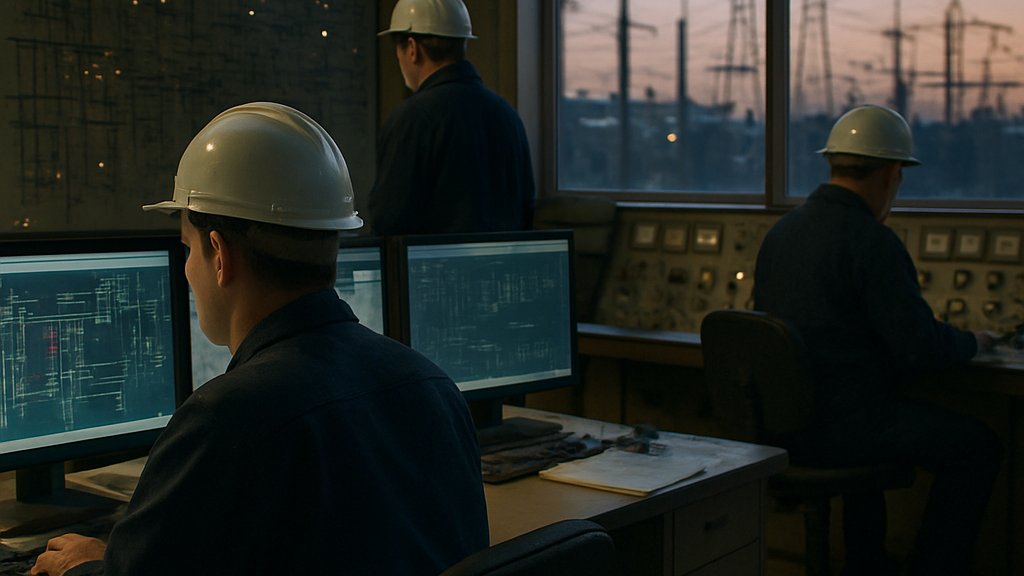
Rising compute demand intensifies electricity challenges. Hourly clean-power matching grows financially and technically complex.
However, governance questions extend beyond energy demand.
The next area of concern involves Microsoft’s evolving clean-energy accounting framework.
Hourly matching under review
Annual renewable matching allowed Microsoft to claim 100 percent clean power in 2025. However, hourly matching requires emission-free electricity every single moment. That step demands storage, nuclear, or regional contracts that guarantee availability. Additionally, electrolytic hydrogen or long-duration batteries could fill gaps, yet costs remain high. Company executives wrote on 18 February 2026 that “the next phase is harder.” Subsequently, analysts at Carbon Market Watch noted that yearly certificates mask nightly fossil peaks.
AI Sustainability critics therefore view hourly transparency as essential. Moreover, if Microsoft downgrades the goal, regulators may treat earlier claims as greenwashing. Such transparency underpins broader Sustainability reporting standards.
Hourly matching tests both technology and trust. Investors monitor any dilution of the pledge.
Consequently, attention shifts toward Microsoft’s parallel CDR program.
The following section explores turbulence inside that emerging market.
Carbon removal market shock
Microsoft dominated corporate CDR purchasing during 2025, contracting roughly 45 million tonnes across several pathways. Moreover, the firm bought 2.85 million tonnes from Indigo Carbon in January 2026. Nevertheless, April headlines suggested a pause in new contracts. DatacenterDynamics later quoted Microsoft saying it was only refining pace and volume. Suppliers remained nervous because one buyer represented the majority of durable CDR demand.
Furthermore, market trackers warned that slowed commitments could delay project financing. AI Sustainability objectives depend on high-quality removals to neutralize residual emissions. Therefore, uncertainty in procurement threatens progress toward net negative status.
Supplier confidence dipped when Microsoft adjusted its schedule. Financing pipelines rely on predictable demand.
In contrast, energy infrastructure stresses are emerging simultaneously.
The next section reviews grid realities shaping project choices.
Grid pressures and policy
Regional grids hosting hyperscale Data Center campuses face acute strain. For example, Virginia regulators approved new transmission upgrades only after local load forecasts doubled. Moreover, IEA researchers link accelerated AI server installations to 30 percent annual demand growth. Consequently, operators may turn to gas turbines for reliability, raising CO₂ emissions. Microsoft counters with long-term nuclear power deals through partners such as Constellation Energy.
Additionally, the company advocates policy reforms that expedite renewable interconnections and storage siting. Robust AI Sustainability frameworks demand real-time coordination between utilities and hyperscalers. Nevertheless, permitting timelines and community opposition still slow projects.
Grid constraints raise both cost and climate risk. Dispatchable clean capacity remains scarce in many regions.
Therefore, Microsoft is scaling parallel investment programs.
The upcoming section details those strategic outlays.
Microsoft strategic investment responses
Despite headwinds, Microsoft continues to deploy capital at record scale. Furthermore, its 40 GW renewable pipeline spans 26 countries, with 19 GW already online. Brookfield’s 10.5 GW framework agreement will add solar and wind across five continents. Meanwhile, multiyear nuclear power deals increase firm baseload capacity. These contracts support AI Sustainability while hedging volatile electricity markets. Additionally, Microsoft funds research into long-duration storage, enhanced geothermal, and modular reactors.
The company also sponsors measurement start-ups to verify CO₂ removal permanence. These moves also shape emerging Sustainability benchmarks across the sector. Professionals can enhance expertise through the AI Architect™ certification.
Large investments demonstrate strategic commitment. Portfolio breadth reduces single-technology risk.
However, external analysts still debate feasibility.
The next section captures that dialogue.
Expert perspectives sharply diverge
Independent voices split on Microsoft’s trajectory. IEA authors argue that rapid clean-power expansion remains technically achievable given falling storage costs. Conversely, Carbon Market Watch researchers claim scaling Data Center loads could swamp renewable additions. Moreover, Bloomberg analysts warn that shelving hourly matching could spark regulatory backlash under new EU rules. AI Sustainability advocates nevertheless praise Microsoft for catalyzing markets and demanding rigorous verification.
Subsequently, suppliers view the company as both partner and gatekeeper. Critics question whether the Sustainability narrative outpaces real engineering progress. Investors weigh these mixed signals when pricing climate transition risk.
Opinions reveal uncertain pathways. Stakeholders agree transparency is essential.
Consequently, scenario planning for 2030 must address multiple contingencies.
The final section outlines potential milestones.
Roadmap to 2030 resilience
Building a resilient pathway requires synchronized levers. Moreover, Microsoft could pursue the following blended strategy:
- Accelerate storage and nuclear procurement to secure 24/7 coverage.
- Integrate onsite solar at new Data Center campuses for peak shaving.
- Expand CDR contracts with diversified suppliers and technologies.
- Adopt dynamic workload shifting to regions with surplus renewable output.
- Publish quarterly progress dashboards to bolster stakeholder trust.
Collectively, these actions would keep AI Sustainability central to decision making. Additionally, Microsoft should model worst-case demand scenarios to avoid further goal revisions. In contrast, delaying commitments without transparency would erode market confidence. Therefore, embedding AI Sustainability metrics into executive compensation could drive accountability.
Diverse tactics can preserve momentum. Clear metrics will signal integrity.
Ultimately, the coming four years will determine credibility.
Nevertheless, Microsoft still commands vast resources and innovative talent. Continued transparency, ambitious procurement, and tight engineering discipline can keep AI Sustainability on track. Furthermore, pragmatic collaboration with regulators and utilities will accelerate grid upgrades that benefit every Data Center operator. The company should also maintain a steady removal cadence to stabilize that young marketplace. Consequently, stakeholders will judge progress based on verifiable milestones, not marketing slogans. Long-term Sustainability will require disciplined follow-through. Professionals interested in shaping similar roadmaps should explore certifications and deepen relevant skills.
Disclaimer: Some content may be AI-generated or assisted and is provided ‘as is’ for informational purposes only, without warranties of accuracy or completeness, and does not imply endorsement or affiliation.


