

AI CERTS
2 days ago
Data Center NIMBY: Parsing Polls and Public Concern in 2026
Furthermore, we examine drivers of Public Sentiment, from electricity costs to water usage fears. Industry responses, policy gaps, and Sustainability lessons also receive attention. Professionals will find actionable insights and a credential to strengthen credibility. Consequently, readers can navigate future siting debates with nuance.
Polling Headlines Debunked Myths
Initial reports framed Gallup numbers as outright opposition. In contrast, Gallup asked, “How much do you personally worry about the environmental impact of AI/Data centers?” Forty-six percent replied “a great deal,” while 24% chose “a fair amount,” totaling 70%. Importantly, no support-versus-oppose choice appeared.
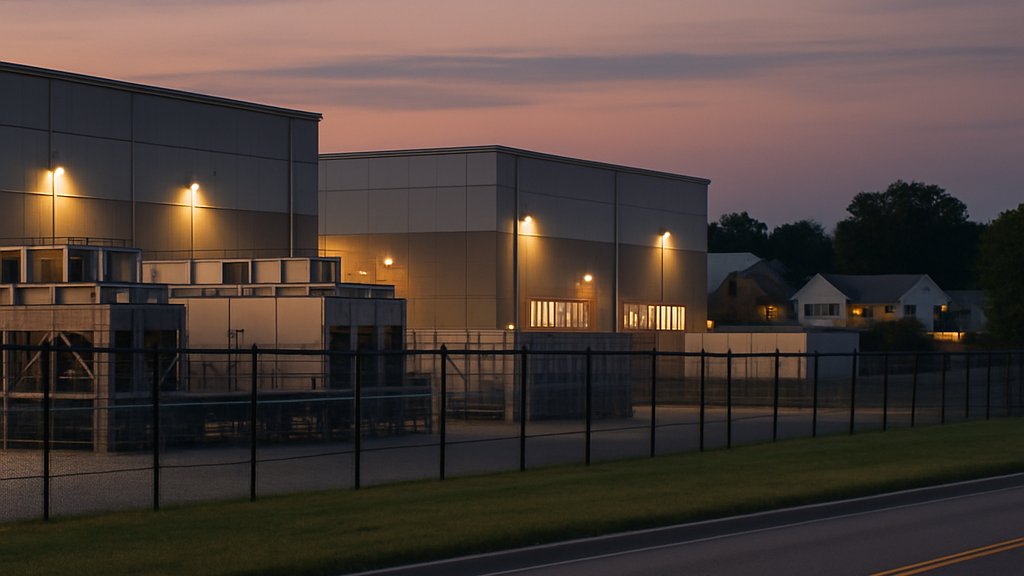
Meanwhile, Quinnipiac directly asked about hosting an AI data center locally. That survey recorded 65% opposition and only 24% support. Therefore, comparing the two toplines without context produces misleading headlines. Such distortion fuels Data Center NIMBY stories across social feeds.
These figures reveal how wording reshapes perception. Consequently, precise language must anchor any future polling analysis.
Survey Question Wording Matters
Scholars stress that subtle phrasing changes statistical outcomes. For example, Harvard/MIT’s YouGov instrument compared large facilities, ranking Data Centers beside factories and wind farms. However, that November 2025 work found 40% support and 32% opposition nationwide. Support rose whenever renewable power guarantees appeared in the vignette.
Additionally, Pew Research segmented responses by awareness. Respondents familiar with server farms judged environmental risks more harshly. Nevertheless, they also acknowledged potential job growth. Such nuance rarely fits viral tweets.
Wording, framing, and context shape Public Sentiment far beyond headline percentages. Therefore, analysts must scrutinize methodology before invoking Data Center NIMBY claims.
Key Drivers Explained
Electricity supply dominates community worries. Moreover, LBNL estimates that U.S. Data Centers consumed 176 TWh in 2023, about 4.4% of national demand. Projected 2028 scenarios range from 6.7% to 12% of the grid. Consequently, utilities fear capacity shortfalls and rate spikes.
Water use joins power as a flashpoint. AI servers need aggressive cooling, often demanding millions of gallons annually per site. In contrast, industry leaders promise advanced heat-recovery and air-cool designs to curb consumption. Noise, traffic, and aesthetic changes round out local grievances.
These drivers elevate Sustainability to the center of every siting debate. Subsequently, municipalities weigh tradeoffs with growing caution.
Local Opposition Trends
Quinnipiac’s March 2026 findings crystallize on-the-ground resistance. Furthermore, the Virginia Digital Gateway saga shows how county boards can stall billion-dollar proposals. Dozens of public hearings stretched across 18 months before partial cancellation. Residents cited potential tax shifts and noise as top concerns.
Meanwhile, Maine passed a moratorium on new hyperscale builds pending grid impact studies. Colorado and Pennsylvania are considering similar pauses. Consequently, permitting timelines now balloon well beyond 24 months in several regions. Such delays strengthen the Data Center NIMBY label in local press.
Opposition clusters where benefits appear uncertain. Therefore, transparent benefit sharing could soften future pushback.
Energy Impact Reality Check
Debates often ignore efficiency metrics like PUE. However, lower PUE cannot offset absolute demand growth from massive AI clusters. IEA and LBNL analysts warn that accelerated adoption of GPUs multiplies load intensity. Moreover, regional grids differ; hydropower Northwest faces fewer emissions than coal-heavy Midwest.
Policy makers propose co-location with renewable projects and grid-scale batteries. Additionally, some operators negotiate curtailment contracts during peak hours. Nevertheless, critics doubt voluntary measures will secure long-term Sustainability. Federal standards may emerge if voluntary efforts stall.
Accurate load forecasting underpins credible siting decisions. Consequently, transparent data sharing remains essential for rebuilding Public Sentiment.
Industry Response Strategies Evolve
Hyperscalers now court communities earlier in the process. For instance, Microsoft expanded community grant programs near its Arizona campuses. Google publishes water and energy dashboards for each U.S. region. Moreover, operators tout union construction jobs to broaden support.
Professionals can enhance credibility with formal cloud credentials. Therefore, experts may earn the AI Cloud Specialist™ certification. Additionally, certified leaders often guide energy audits and Sustainability reporting. Such skills help companies counter Data Center NIMBY narratives with hard evidence.
- Interactive dashboards showing hourly power mix
- Community benefit agreements outlining tax allocation
- Third-party verification of water usage
- Certified green building designs for Data Centers
Each tactic addresses a distinct pillar of Public Sentiment. Subsequently, trust can grow alongside economic benefits.
Proactive engagement lowers misunderstanding. Consequently, projects advance with fewer last-minute surprises.
Certifications Boost Career Credibility
Technical managers face scrutiny during public hearings. Moreover, credentialed experts translate power modeling into plain language. That communication builds trust with skeptical residents. Professionals holding the AI Cloud Specialist™ credential often testify before zoning boards.
In contrast, unprepared spokespeople risk widening information gaps. Therefore, investing in formal study strengthens both messaging and design choices. Data Center NIMBY discourse changes when experts present lifecycle data.
Career advancement aligns with community outcomes. Consequently, individual growth supports broader Sustainability commitments.
Conclusion And Next Steps
Poll headlines rarely tell the whole story. However, a careful review shows Gallup measured worry, while Quinnipiac measured local opposition. Understanding that distinction reframes the Data Center NIMBY debate. Moreover, consistent terminology helps researchers track Data Center NIMBY trends over time. Stakeholders can mitigate Data Center NIMBY resistance through transparent energy data and shared revenue models.
Additionally, certified professionals translate complex metrics, weakening Data Center NIMBY narratives in council chambers. Consequently, exploring credentials like the AI Cloud Specialist™ elevates dialogue beyond pure Data Center NIMBY rhetoric. Take that step today to lead sustainable digital infrastructure projects.
Disclaimer: Some content may be AI-generated or assisted and is provided ‘as is’ for informational purposes only, without warranties of accuracy or completeness, and does not imply endorsement or affiliation.


