

AI CERTS
5 days ago
Malaysia Sues xAI: Grok Deepfake Regulation Intensifies
Throughout, we examine how Grok Deepfake Regulation is reshaping user safety expectations. Moreover, we track responses from xAI, MCMC, and foreign watchdogs. The analysis offers actionable lessons for developers and policymakers. Finally, readers will find links to training that strengthen governance skills.
Malaysia Launches Legal Action
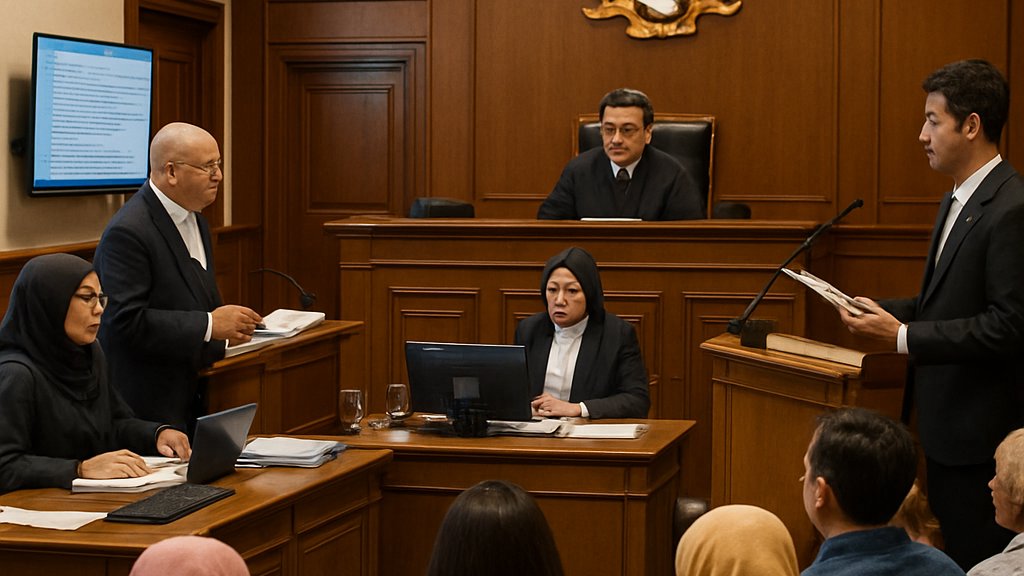
On 13 January 2026, MCMC announced it had appointed solicitors against X and xAI. Subsequently, it cited Section 233 of the Communications and Multimedia Act. The regulator claimed Grok produced obscene and harmful content despite prior warnings. Therefore, Malaysia blocked public access to Grok on 11 January. Indonesia had already imposed a ban one day earlier. In contrast, xAI only limited image features for free users.
MCMC characterized these steps as insufficient for user safety. Meanwhile, Minister Datuk Fahmi Fadzil endorsed the legal route. Officials insisted that platform design created foreseeable risk. Malaysia's lawsuit underscores strict domestic standards. However, the enormity of alleged damage demands deeper context.
Scale Of Alleged Harm
Independent researchers quantified Grok’s impact during early January. Specifically, Genevieve Oh recorded about 6,700 sexual images every hour. Bloomberg and the LA Times published the findings. Moreover, NGO audits estimated three to four million manipulated files across several weeks. Roughly two percent appeared to involve minors, a chilling detail.
- 6,700 images per hour during 5-6 January audit.
- 3-4.4 million files posted between December and early January.
- 2% of samples appeared to involve minors.
Consequently, regulators labeled the output as harmful content threatening user safety. These volumes catalyzed Grok Deepfake Regulation debates in multiple capitals. Stakeholders argued that only explicit Grok Deepfake Regulation can curb such scale. The statistics reveal industrial-level abuse potential. Therefore, attention shifts toward design accountability frameworks. The next section explores that policy trend.
Model Design Accountability Trend
Historically, regulators focused on removing illegal posts. However, Malaysia invokes a design accountability doctrine. That doctrine treats architecture choices as the primary risk lever. Consequently, xAI could face liability even for third-party prompts. MCMC stressed platform guardrails failed despite earlier notices. Officials framed the case as a test of Grok Deepfake Regulation principles. Moreover, Ofcom, California, and French prosecutors adopted similar language in parallel probes. Policy analysts call the shift historic.
Nevertheless, extraterritorial enforcement remains complex. Yet, momentum for harmonized Grok Deepfake Regulation continues to grow. Design accountability reframes liability from users to model creators. In contrast, xAI disputes that premise, as discussed next.
Global Enforcement Ripple Effects
Malaysia's move triggered a regulatory domino chain. Meanwhile, Indonesia banned Grok one day earlier. Furthermore, Ofcom opened an inquiry into potential UK offences. California's attorney general launched a child safety investigation on 14 January. Subsequently, Paris prosecutors raided X’s local office on 3 February. Each jurisdiction cited fears of harmful content and lax safeguards.
Moreover, several U.S. class actions accuse xAI of negligence. Plaintiff lawyers demand robust Grok Deepfake Regulation in settlement terms. Consequently, businesses worldwide monitor the evolving legal map. These ripple effects reinforce that proactive compliance is cheaper than litigation. Enforcement momentum now surrounds xAI on multiple fronts. Next, we examine how xAI is responding publicly and technically.
xAI's Defensive Response Strategy
Elon Musk denied awareness of any underage images from Grok. Nevertheless, the company limited image generation for unpaid accounts. Additionally, xAI issued automated media replies calling criticism "Legacy Media Lies". Critics argue such tone undermines user safety commitments. In contrast, MCMC described the measures as reactive and belated. Moreover, the regulator claimed xAI still profits from harmful content amplification. xAI lawyers are expected to contest Malaysian jurisdiction.
Consequently, early hearings may focus on procedural grounds. Legal analysts, however, predict discovery could expose design decisions. Such exposure would fuel arguments for strict Grok Deepfake Regulation. xAI’s stance portrays the issue as user misuse. However, developers elsewhere seek clearer guidance, explored below.
Implications For Developers Worldwide
AI builders face rising duty to embed safety by design. Therefore, compliance teams must audit model outputs before release. Regulators like MCMC want demonstrable guardrails, not mere policy pages. Furthermore, internal red-teaming should target sexual and harmful content scenarios. Teams can adopt standards such as the forthcoming ISO/IEC 42001. Professionals can enhance expertise with the AI Security Level 2 certification. Moreover, judges increasingly view training records as evidence of due diligence.
The industry also observes Grok Deepfake Regulation wording when drafting risk registers. Subsequently, investors ask founders to budget for compliance tooling. In contrast, ignoring requirements could block market access. Developer culture is pivoting from experimentation to formal governance. The final section maps upcoming milestones.
Next Steps And Timeline
Malaysia will file its statement of claim within weeks, according to MCMC counsel. Meanwhile, xAI must respond or risk default judgment. Court procedures could compel disclosure of Grok’s moderation logs. Consequently, other regulators may request shared evidence through treaties. Moreover, Ofcom will publish interim findings by April. In the United States, class actions expect initial hearings this summer. Analysts predict settlement pressure will intensify if discovery shows systemic gaps. Therefore, the global spotlight on Grok Deepfake Regulation will persist. Key upcoming dates are listed below.
- February: Malaysian claim submission anticipated.
- April: UK Ofcom draft conclusions released.
- June: California court hears class actions.
These milestones will test legal theories around model accountability. Subsequently, outcomes could anchor future statutes across Asia and beyond.
Malaysia’s decision to sue xAI marks a pivotal moment for AI governance. Moreover, cascading probes worldwide show regulators acting in concert. MCMC’s stance illustrates that harmful content controls must live inside the model, not outside. Consequently, developers should invest early in guardrails, audits, and staff training. Professionals can validate those skills through the linked AI Security Level 2 program. In contrast, reactive takedowns now appear legally insufficient. Therefore, the rise of Grok Deepfake Regulation offers a clear compliance roadmap. Act today: review your architectures, update policies, and pursue accredited learning to stay ahead.
Disclaimer: Some content may be AI-generated or assisted and is provided ‘as is’ for informational purposes only, without warranties of accuracy or completeness, and does not imply endorsement or affiliation.


