

AI CERTS
2 months ago
Microsoft Adds Conversion Data to PMax: A Win for AI Ad Metrics
Industry watchers frame the update as a decisive move against black-box automation. Furthermore, Microsoft teased landing-page and search-term insights arriving this month. This article unpacks what changed, why it matters, and how professionals should respond. Throughout, we will examine AI Ad Metrics implications, best practices, and remaining blind spots.
Transparency Gains Critical Edge
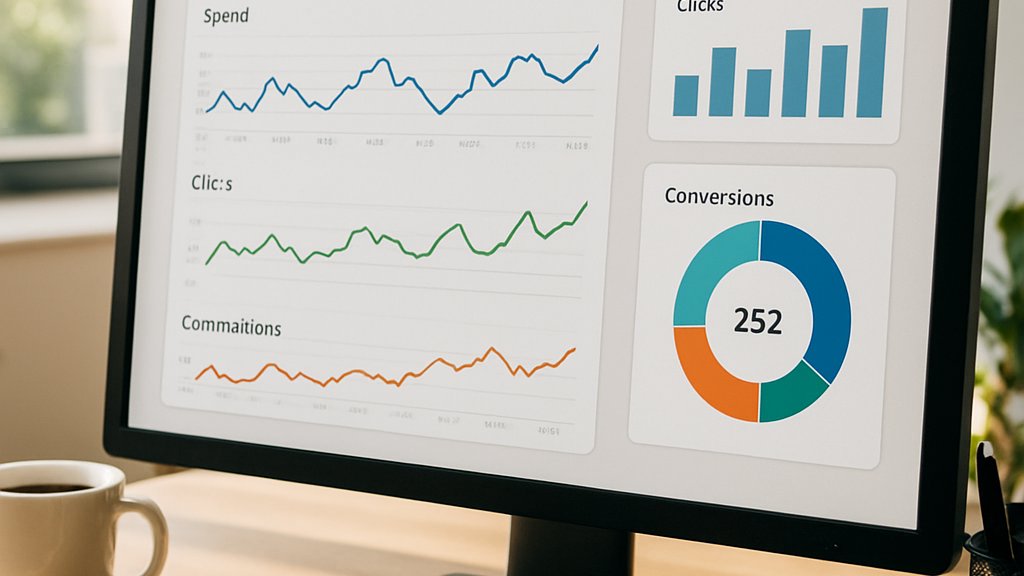
Before this release, placement reports stopped at impressions for Performance Max and Audience campaigns. Consequently, agencies struggled to align budgets with real business outcomes. Now, conversions, clicks, and spend appear beside each publisher domain. Therefore, media buyers can calculate cost-per-conversion at the placement level inside Microsoft Ads. That direct view enriches AI Ad Metrics used for forecasting and post-campaign analysis.
Moreover, Custom columns can reference the new fields, enabling personalized dashboards. The shift turns once abstract estimates into concrete numbers that executives trust. These benefits push Microsoft ahead in the transparency race, at least for now. In short, richer placement data strengthens accountability. Meanwhile, deeper explanations of Performance Max itself provide context for the change.
Performance Max Explained Briefly
Performance Max is Microsoft’s AI-driven campaign that allocates budget across search, native, and video formats. It optimizes bids and creatives using machine learning signals from billions of daily queries. Consequently, marketers surrender many manual levers in exchange for speed and scale. However, that automation previously masked where spend actually landed. Search advertising professionals often called the product a black box compared with manual ad groups.
Microsoft claims PMax users observed an average 8% incremental conversions lift between 2024 and 2025. Nevertheless, practitioners demanded verification through concrete tracking. The new Website URL report partially answers that call. Those details feed AI Ad Metrics pipelines, allowing more accurate attribution models. Together, these points explain the logic behind Microsoft’s latest transparency push. Next, we explore the specific report changes.
New Report Adds Depth
The Website URL report now lists impressions, clicks, spend, and conversions in separate columns. Advertisers can filter by domain, placement type, or date range. Additionally, data exports include placement identifiers for offline merging with analytics tools. Custom columns unlock combined metrics like cost per qualified conversion or view-through rate. Consequently, AI Ad Metrics dashboards become richer without external scraping. In product, a tooltip warns users to allow enough conversions before excluding placements. Microsoft cautions that early exclusions may disrupt learning and hurt long-term results.
- Impressions: Volume of served ads per publisher.
- Clicks: User engagements that drove site visits.
- Spend: Currency outlay tied to each placement.
- Conversions: Completed goals attributed by existing tracking setup.
These fields align with Google Sheets connectors, easing cross-platform comparisons. Therefore, agencies can benchmark Microsoft against Google’s equivalent reports rapidly. Overall, the added depth empowers evidence-based conversations with stakeholders. The next section outlines concrete steps advertisers should take now.
Action Steps For Advertisers
First, pull the Website URL report for your active Performance Max campaigns. Then, create Custom columns calculating cost per conversion and conversion rate per publisher. Additionally, compare those numbers against historical search advertising benchmarks. Flag placements with high spend and zero conversions over a meaningful learning period. However, wait at least one conversion cycle before excluding any publisher. Next, apply account-level exclusion lists cautiously to protect brand safety and performance. Meanwhile, build remarketing audiences from top-converting placements for cross-channel upsells.
- Download report weekly and archive snapshots.
- Segment data by device for deeper AI Ad Metrics insights.
- Share findings with leadership to secure incremental budget.
Consequently, your team embeds consistent tracking discipline across channels. Taken together, these steps translate visibility into profit. Next, we assess the advantages already observed.
Benefits And Early Results
Industry reactions point to three main wins. First, advertisers validate AI Ad Metrics claims with verifiable conversion data. Second, client reporting gains credibility, improving agency retention. Third, optimization speed increases because clear signals reduce guesswork. Moreover, Microsoft cites an 8% average incremental conversions lift among PMax users. Agencies interviewed by Search Engine Land noted improved publisher exclusion decisions within two weeks. In contrast, smaller accounts reported noisy numbers until volume increased. Nevertheless, greater transparency outweighs volatility for most practitioners. Overall, benefits already materialize in search advertising portfolios. Yet, limitations still exist.
Lingering Gaps And Risks
Transparency improved but is not total. For example, asset-level contribution data remains hidden. Additionally, modelled conversions still mix with observed ones, complicating tracking accuracy. Small accounts may misinterpret placement performance due to limited sample sizes. Consequently, Microsoft urges advertisers to avoid premature exclusions. Meanwhile, brand suitability concerns persist around certain third-party domains. In response, Microsoft is tightening publisher verification policies. These gaps remind marketers that judgement must accompany AI Ad Metrics dashboards. Finally, we compare Microsoft’s move with rivals.
Competitive Landscape In Focus Today
Google introduced similar placement visibility yet limits spend columns in Performance Max. Consequently, Microsoft positions its release as more complete. Advertisers can now benchmark both platforms using unified AI Ad Metrics definitions. Furthermore, agencies expect pressure on Google to match URL-level conversion disclosure. In contrast, Meta’s Advantage+ campaigns still hide publisher data entirely. Therefore, Microsoft earns competitive goodwill among data-driven buyers. Professionals can validate skills with the AI Marketing™ Certification and deepen automated campaign expertise. Taken together, the market looks poised for a transparency race. We close with final thoughts and next steps.
Microsoft’s new publisher metrics mark a meaningful leap for AI Ad Metrics transparency. Advertisers finally see conversions, spend, and clicks where budgets actually deploy. Consequently, optimization choices carry greater confidence. However, practitioners must respect learning periods and sample sizes before excluding placements. Meanwhile, Custom columns and consistent tracking will unlock deeper insights across search advertising portfolios. Furthermore, rivalry among platforms should drive even richer disclosure soon. Professionals willing to upskill can leverage the AI Marketing™ Certification to stay ahead. Act now by generating your first enhanced report and sharing the wins with leadership.
Disclaimer: Some content may be AI-generated or assisted and is provided ‘as is’ for informational purposes only, without warranties of accuracy or completeness, and does not imply endorsement or affiliation.


