

AI CERTS
2 months ago
Cerebras AI IPO Targets $3.5B in Record Chip Debut
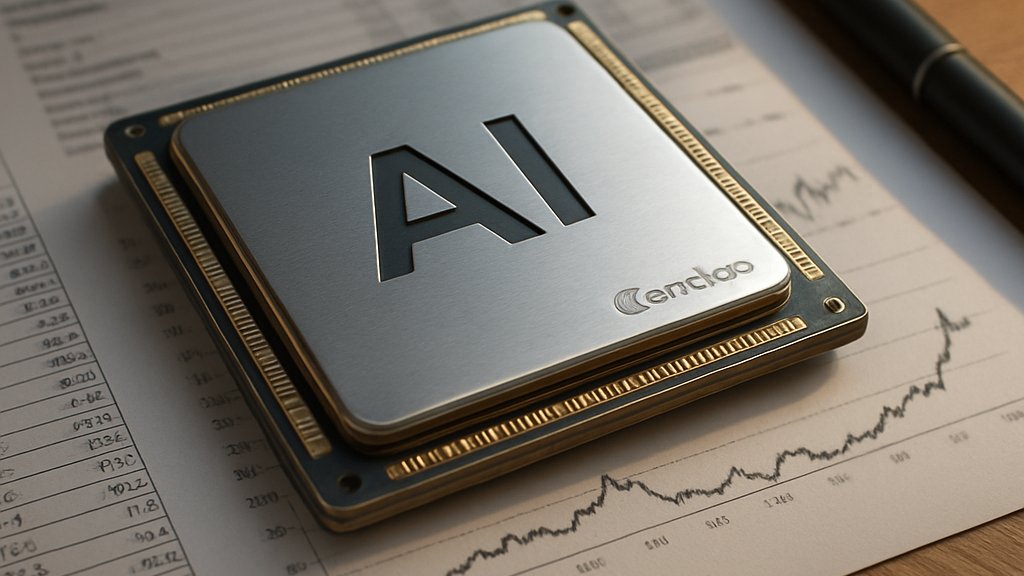
Consequently, analysts view the deal as a bellwether for specialized silicon ventures.
However, enthusiasm coexists with caution over customer concentration, regulation, and brutal competition.
This article dissects terms, valuation, technology, and risks surrounding the multibillion dollar transaction.
Readers will gain actionable insight before shares appear on Nasdaq under the proposed ticker CBRS.
Moreover, professionals can align their skills with market needs through an accredited AI foundation certification.
Let us explore why Cerebras matters and how its public offering could reshape the semiconductor landscape.
AI IPO Market Context
Nasdaq technology listings revived in 2025 after a quiet 2024 calendar.
Consequently, bankers positioned the latest wave of AI hardware names as growth proxies.
The Cerebras AI IPO arrives amid that resurgence, joining Astera, Groq, and Kneron in prospect queues.
Additionally, equity funds rotated back into early stage semiconductor plays, chasing diversified exposure beyond Nvidia.
Consequently, the Cerebras AI IPO sets a new liquidity benchmark for specialized chips.
Bloomberg noted Morgan Stanley required limit orders, a tactic rarely used unless demand appears exceptional.
Therefore, bookrunners anticipate pricing near the top of the indicated range.
Strong early demand underpins optimistic headlines. However, investors must still weigh fundamentals before final allocations.
Let's examine the math driving those fundamentals.
Offering Mechanics Explained Clearly
Cerebras filed to sell 28,000,000 Class A shares, with underwriters holding a standard 30-day option.
Indicative pricing sits between $115 and $125.
Consequently, gross proceeds could reach roughly $3.5 billion, excluding any greenshoe exercise.
TechCrunch alternatively flagged banker chatter about a $4 billion top-line raise if momentum persists.
Class A shares will list as CBRS once regulators declare the registration effective.
- Cerebras AI IPO size: 28M shares
- Indicative price: $115-$125
- Implied proceeds: up to $3.5B
- Ticker: CBRS on Nasdaq
The Cerebras AI IPO prospectus details dilution tables supporting these calculations.
Moreover, prospective holders should note the dual-class structure that preserves founder control through supervoting shares.
These figures frame expectations for the public offering, yet valuation remains fluid.
Investors grasp the headline math now. Next, valuation debates reveal wider market perceptions.
Valuation Debate Intensifies Ahead
Valuation estimates vary because reporters use differing share outstanding assumptions.
Bloomberg calculated a $26.6 billion market cap at the top of the official bracket.
In contrast, some bankers whispered targets near $40 billion, assuming warrant exercises and secondary blocks.
Analysts warn that if the Cerebras AI IPO prices above range, aftermarket swings could intensify.
Furthermore, the OpenAI loan includes warrants that could dilute holders, adjusting fully diluted metrics.
The Cerebras AI IPO therefore straddles two narratives: lucrative growth play or richly priced gamble.
Analysts recommend scrutinizing the final prospectus supplement for definitive share counts.
Competing valuation models highlight deal sensitivity. However, numbers mean little without technology context.
Technology Edge And Challenges
Cerebras builds the Wafer-Scale Engine, a single silicon slab packed with 2.6 trillion transistors.
Moreover, company benchmarks claim higher inference throughput and lower power draw than multi-GPU clusters.
Such performance matters because inference costs now eclipse training budgets for large commercial models.
Nevertheless, Nvidia retains software dominance through CUDA and cuDNN, embedding switching friction for enterprise buyers.
The startup sources manufacturing from TSMC, navigating the same semiconductor capacity crunch affecting rivals.
Consequently, supply risks appear in the risk factors section of the filing.
Experts also question wafer-scale yields and packaging costs compared with modular GPU designs.
Cerebras possesses clear architectural novelty. Yet external forces could blunt that advantage, heightening risk awareness.
Key Risk Factors Today
OpenAI accounts for a material share of booked revenue and provides a $1 billion loan.
Therefore, customer concentration risk remains acute, especially if the partner creates competitive hardware internally.
In contrast, regulatory scrutiny has eased yet could return should overseas strategic investors reappear.
CFIUS previously delayed the 2025 filing because of relationships within the Middle East.
Profitability also divides commentators.
GAAP statements show $87.9 million net income, yet adjusted tables strip warrant valuation gains.
Additionally, wafer-scale fabrication remains capital intensive, pressuring free cash flow despite revenue acceleration.
Supply constraints in the semiconductor chain further complicate forecasts.
These intertwined issues frame the downside case. Meanwhile, bullish voices cite execution momentum and strong demand.
Investor Outlook And Certification
Institutional accounts often assess three pillars when sizing allocations.
First, demand momentum suggests early upside, especially if Nasdaq trading opens above range.
Second, differentiation against GPU incumbents could justify premium multiples should performance claims persist.
Third, management credibility stems from prior SeaMicro exit and ongoing deep-learning community engagement.
The Cerebras AI IPO therefore aligns with portfolios seeking exposure to high growth semiconductor infrastructure.
However, some funds will cap position size because the public offering includes a dual-class structure.
Retail traders can only participate after CBRS begins secondary trading, subject to volatility halts.
Professionals seeking deeper competence may pursue the AI Foundation Certification to contextualize hardware trends and model lifecycles.
Overall sentiment skews positive. Nevertheless, disciplined analysis remains vital before committing capital.
The Cerebras AI IPO combines strong demand, rapid revenue growth, and distinctive wafer-scale innovation.
Nevertheless, customer concentration, capital intensity, and competitive pressure keep risk elevated.
Final pricing on Nasdaq will clarify valuation and future funding flexibility.
Investors should read the final prospectus and weigh exposure size before market open.
Professionals can deepen expertise through the AI Foundation Certification, gaining context for hardware strategy decisions.
Stay informed and position portfolios thoughtfully ahead of this landmark public offering.
Disclaimer: Some content may be AI-generated or assisted and is provided ‘as is’ for informational purposes only, without warranties of accuracy or completeness, and does not imply endorsement or affiliation.


