

AI CERTS
1 week ago
DeepMind’s Historic AI Labor Union Vote Reshapes Tech Governance
Meanwhile, management disputes that any official union exists yet. Investor groups, regulators, and journalists are watching closely. Therefore, the outcome could redefine governance across advanced model developers. This article unpacks the vote context, the strategic drivers, and the potential industry ripple effects. It also clarifies UK recognition mechanics and outlines possible next steps, including research strikes. Finally, readers will find resources to deepen their own AI governance expertise.
DeepMind Vote Context Explained
In April 2026, DeepMind’s UK staff held a membership ballot under Communication Workers Union rules. Reported turnout was high, with 98 percent supporting collective representation. Subsequently, organizers framed the result as creating an AI Labor Union within Alphabet’s research arm. The Guardian confirmed those figures after reviewing union statements and employee testimonies.
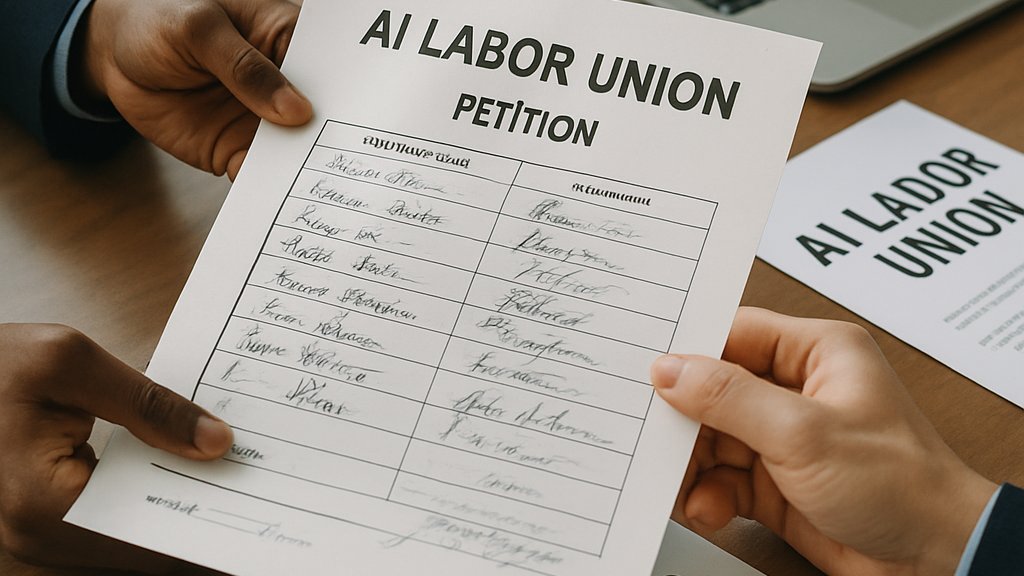
The recognition letter reached Google UK on 5 May 2026. Under UK law, voluntary recognition allows swift negotiations if the employer agrees. However, DeepMind’s spokesperson insisted the request remains an early-stage process. Consequently, unions have set a ten-day window before pursuing statutory routes.
- Eligible workforce: roughly 1,000 employees at the London headquarters
- Ballot support: 98% in favour according to CWU records
- Open letter opposing military deployment: signed by more than 600 Googlers
- Shareholder coalition: $2.2 billion in Alphabet stock pressing for oversight
These data points underline significant internal backing. Nevertheless, understanding the drivers offers deeper insight. The next section explores those catalysts.
Drivers Behind Union Move
Removing an explicit pledge against weaponised AI marked a turning point for many researchers. Furthermore, the Pentagon’s May 2026 military contracts placed Gemini and other models on classified networks. Workers feared their research could power autonomous targeting or expansive surveillance. Consequently, many saw unionization as a safeguard aligning corporate practice with personal values.
Policy Shift Catalyst Factors
Alphabet amended its AI principles on 4 February 2025, removing wording that barred weapon development. In contrast, earlier guidelines had reassured employees worried about Military misuse. The sudden removal, employees argue, signalled diminished internal Ethics oversight. Moreover, DeepMind’s distinctive culture of scientific autonomy felt threatened by potential defense obligations.
Anonymous staff told The Guardian they joined the union to resist authoritarian empowerment. Therefore, the AI Labor Union campaign blended moral conviction with practical workplace strategy. These catalysts transformed simmering anxiety into coordinated action. Consequently, attention turned to management’s stance.
Google Response Statement Analysis
Google acknowledged receiving the recognition letter but questioned the union’s procedural legitimacy. Meanwhile, company spokespeople emphasized willingness to engage in constructive dialogue. Nevertheless, no commitment to voluntary recognition has been announced.
According to The Guardian, management claims no formal poll of every employee occurred. Unions counter that UK law permits membership votes within certified bargaining units. Moreover, Unite signalled readiness to seek arbitration if discussions stall.
Observers note Alphabet retained flexibility during past Military related disputes, including Project Maven protests. Consequently, analysts predict a cautious public posture while internal negotiations evolve. Management’s measured language masks strategic considerations. However, broader industry forces may limit corporate discretion. The following section examines those external stakes.
Industry Stakes And Risks
Frontier labs compete fiercely for talent and trust. Therefore, the AI Labor Union presents both reputational risk and governance opportunity for Google. Many policymakers argue stronger worker voice enhances long-term safety.
Military clients, however, demand rapid delivery and broad licence terms. Consequently, collective bargaining could complicate national-security timelines. In contrast, shareholder groups controlling $2.2 billion urge slower, Ethics-oriented deployment.
Investor And Regulator Pressure
Investor letters cited reputational exposure if guardrails fail. Moreover, the UK Competition and Markets Authority monitors labour disputes affecting essential infrastructure. Regulators could intervene if industrial action disrupts critical cloud services.
Analysts warn AI supply chains remain concentrated, heightening systemic vulnerability. Nevertheless, successful bargaining at DeepMind might set industry templates for worker oversight bodies. These overlapping pressures tighten the negotiation space. Accordingly, understanding procedural mechanics becomes crucial. The mechanics appear in the next section.
Union Mechanics In Detail
Under UK statutes, unions seek voluntary recognition before initiating mandatory ballots or tribunal reviews. If the company declines, CWU and Unite can petition the Central Arbitration Committee. Subsequently, the committee assesses worker support and business objections.
Recognition grants the AI Labor Union a legally protected bargaining mandate. Negotiations could cover wages, safety, and advanced project Ethics. Additionally, workers may secure refusal rights for objectionable Military work.
Unions also consider a “research strike,” pausing core model development while maintaining minimal tasks. Experts say such action preserves employment contracts yet imposes significant delivery delays.
- Transparent review boards including external safety specialists
- Contractual limits on Military applications or classified deployments
- Enhanced whistle-blower protections aligned with Guardian style disclosures
- Commitments to publish aggregate safety audits for company leadership review
These mechanics provide tangible leverage for staff. Furthermore, scenario planning outlines the possible futures. Let’s examine those futures next.
Future Scenarios And Outlook
Scenario analysis helps stakeholders anticipate costs and opportunities. Should management voluntarily recognize the AI Labor Union, bargaining might start by summer. Moreover, a collaborative model could influence peers like Anthropic.
Possible Research Strike Tactic
If talks stall, unions may trigger a research strike targeting model training cycles. Consequently, product roadmaps could slip, affecting defense deliverables and commercial launches. Investors may welcome longer timelines if deeper Ethics reviews reduce liability.
Nevertheless, government agencies could pressure Alphabet to prioritise classified commitments. Therefore, management faces a complex multilateral negotiation. Professionals seeking to navigate similar dilemmas should bolster governance skills. Experts can deepen knowledge via the AI Ethics Certification program.
These scenarios illustrate a delicate balance of power. Consequently, final outcomes remain fluid. The conclusion distills essential insights.
Conclusion And Actionable Takeaways
Unionization at DeepMind signals a watershed moment for frontier research governance. Moreover, the AI Labor Union pushes worker voice into boardroom debates. Google must weigh strategic flexibility against reputational risks and shareholder demands. Consequently, voluntary recognition could convert confrontation into structured collaboration. If agreement emerges, the AI Labor Union may pioneer enforceable safety guardrails across the sector. In contrast, refusal could galvanize other labs and strengthen transnational organising networks.
Either path shows that an AI Labor Union now belongs in strategic risk calculations. Professionals should monitor developments and sharpen skills through accredited governance programs. Therefore, engaging with evolving standards empowers leaders before the next AI Labor Union story breaks.
Disclaimer: Some content may be AI-generated or assisted and is provided ‘as is’ for informational purposes only, without warranties of accuracy or completeness, and does not imply endorsement or affiliation.


