

AI CERTS
20 minutes ago
YouTube Thumbnails: Mobile Size Experiment and A/B Testing Guide
Consequently, questions about design strategy, metric priorities, and platform intent now dominate industry forums. This article unpacks the twin developments and offers practical guidance for technical marketing teams. It analyzes the mobile size experiment, the desktop testing workflow, and potential business implications. Furthermore, it outlines design safeguards that reduce risk as YouTube evolves its interface. Each insight is grounded in official documentation and independent analytics.
Mobile Thumbnail Size Shift
YouTube began the variable thumbnail size test on mobile in April 2026. Android Authority first spotted the change and confirmed it through YouTube support threads. Moreover, the company said some images might look cropped, yet source files remain untouched.
The experiment renders non-uniform tile heights, allowing a few videos to dominate the initial screen view. Consequently, fewer titles appear per scroll, potentially amplifying large channels with proven engagement histories. In contrast, smaller creators fear reduced visibility if their content never surfaces above the fold.
Mobile matters because Tubular Labs attributes 69% of 2025 YouTube views to phones. Therefore, any Home feed redesign instantly affects global discovery economics.
Testing different YouTube Thumbnails sizes on small screens changes first impressions dramatically. The shift also aligns with broader social platform trends toward immersive feeds. Larger tiles automatically display higher resolution previews, increasing perceived quality.
The size experiment can shift impression share across the ecosystem. However, understanding A/B testing tools clarifies how creators can respond. The next section explores design realities.
A/B Testing Power Unveiled
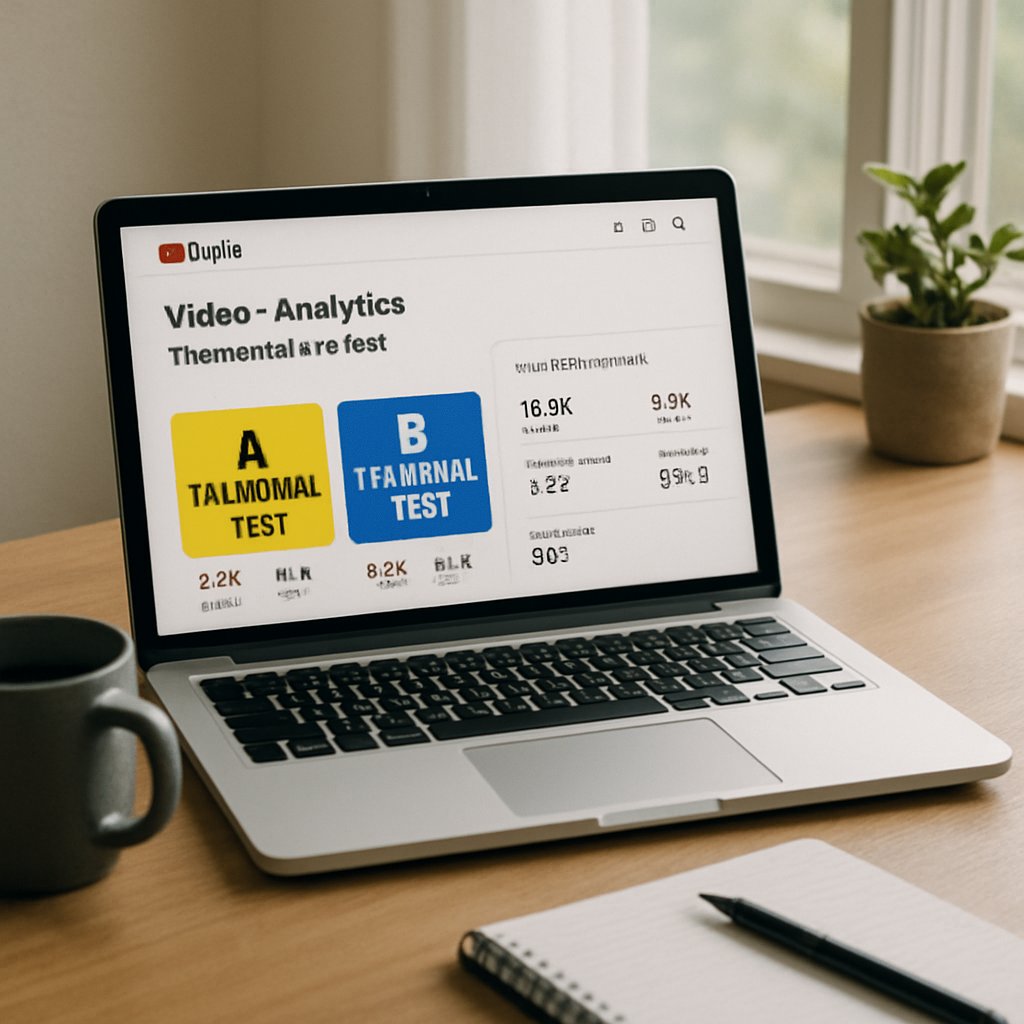
YouTube launched Thumbnail Test & Compare to all eligible channels in mid-2024. Creators upload up to three variants and let the system split traffic evenly. Subsequently, the variant with the highest watch-time share replaces the others automatically.
Watch-time share differs from simple click-through rate. Moreover, it punishes clickbait that fails to retain viewers beyond the first seconds. The metric aligns creator incentives with platform revenue, because longer sessions yield more ads.
Tests usually finish within two weeks or until statistical confidence emerges. If no winner appears, the original first thumbnail prevails, yet creators can override later. These parameters give data-driven teams a controlled sandbox.
The Test & Compare dashboard finally lets creators prove which YouTube Thumbnails sustain watch time. The testing workflow empowers evidence-based design decisions. Consequently, mastering variant setup becomes essential for competitive channels. The next section explores design realities.
Design Implications For Creators
Thumbnails must survive cropping, scaling, and compression across unpredictable contexts. Experts advise keeping faces, branding, and 2–5 words within a centered safe zone. Furthermore, always upload at the recommended 1280×720 resolution to avoid forced 480p downscaling.
Creators often forget that one low-resolution variant triggers universal downscaling during a test. In contrast, consistent high quality safeguards performance metrics during every experiment. Therefore, treat file management as seriously as storytelling.
Industry analyses of 1,000 split tests reveal common winners. They include expressive faces, contrasting backgrounds, and minimal text. Moreover, compositions that remain legible at 168×94 pixels outperform cluttered alternatives.
Key design priorities:
- Single clear focal point for rapid recognition
- High contrast color palette against YouTube interface
- Overlay text under five words for legibility
- Centered face or brand mark within 60% of frame
- Native 1280×720 upload to avoid downscaling artifacts
Effective designs respect technical constraints and human perception. Nevertheless, good design alone cannot offset engagement risks introduced by layout changes. Accordingly, the following section examines those risks and supporting data.
Effective YouTube Thumbnails balance aesthetic flair with machine readability.
Engagement Data And Risks
Early creator chatter highlights mixed results from the mobile size experiment. Some channels report higher watch time, while others lose clicks due to unexpected cropping. Meanwhile, users complain that larger tiles reduce diversity on the Home feed.
Analysts warn that concentration effects could widen the gap between top and mid-tier creators. Moreover, fewer visible slots may limit serendipitous discovery for niche topics. Consequently, smaller channels might face higher acquisition costs when promoting new video releases.
Quality confounds also lurk inside A/B testing. If one variant downscales all others, data becomes noisy and misleads strategic choices. Therefore, technical teams should monitor resolution logs during every display cycle.
Analytics firms are already tracking how altered YouTube Thumbnails influence click depth. Social chatter suggests some users enjoy the cinematic feel, yet others call it clutter.
Data suggests gains exist, yet distributional drawbacks warrant vigilance. In contrast, proactive optimization can mitigate many pitfalls. The next segment shares actionable tactics.
Practical Thumbnail Best Practices
Follow a disciplined workflow before launching any experiment. Firstly, map variant hypotheses to specific engagement metrics like watch-time share. Secondly, label assets with resolution, date, and audience segment tags for rapid auditing.
Additionally, run only one A/B test at a time to isolate variables. Never change a competing thumbnail mid-test, because that resets the confidence clock. Consequently, schedule creative refreshes around campaign cycles rather than impulsive reactions.
Robust naming conventions prevent losing historical learnings about successful YouTube Thumbnails. Professionals can sharpen skills via the AI+ UX Designer™ certification.
Pre-test checklist:
- Verify all variants meet 1280×720 resolution.
- Confirm file sizes remain under 2 MB.
- Ensure focal elements sit within safe zone boundaries.
- Schedule test for at least 14 days.
A systematic checklist boosts data reliability and creative confidence. Therefore, mastering process discipline positions brands for future interface shifts. Finally, explore forthcoming platform directions.
Future Platform Outlook Trends
YouTube rarely abandons experiments that raise session length or ad inventory. Consequently, variable thumbnail sizes may graduate from test to permanent feature. Industry observers expect additional personalization layers that prioritize content relevance over uniform grids.
Meanwhile, AI driven layout engines could adjust display size per viewer affinity signals. Moreover, creators might access predictive tools suggesting winning YouTube Thumbnails before publishing. However, transparency around algorithmic treatment will remain a key regulatory discussion.
The future promises dynamic, data-driven visual merchandising. Nevertheless, strategic fundamentals around clarity and credibility will still decide success.
YouTube Thumbnails now sit at the center of strategic conversation. Mobile layout tests and data-rich A/B suites redefine how YouTube Thumbnails reach audiences and influence retention. Consequently, teams that treat YouTube Thumbnails as iterative design assets will outpace rivals anchored in intuition. Remember key practices: maintain resolution, respect safe zones, and optimize watch-time share before aesthetics. Furthermore, consider specialty credentials to keep creative muscles sharp and marketable. Act now, run your next test, and elevate your channel's performance.
Disclaimer: Some content may be AI-generated or assisted and is provided ‘as is’ for informational purposes only, without warranties of accuracy or completeness, and does not imply endorsement or affiliation.


