

AI CERTS
22 minutes ago
Grid Stagnation: Mounting National Security Risk
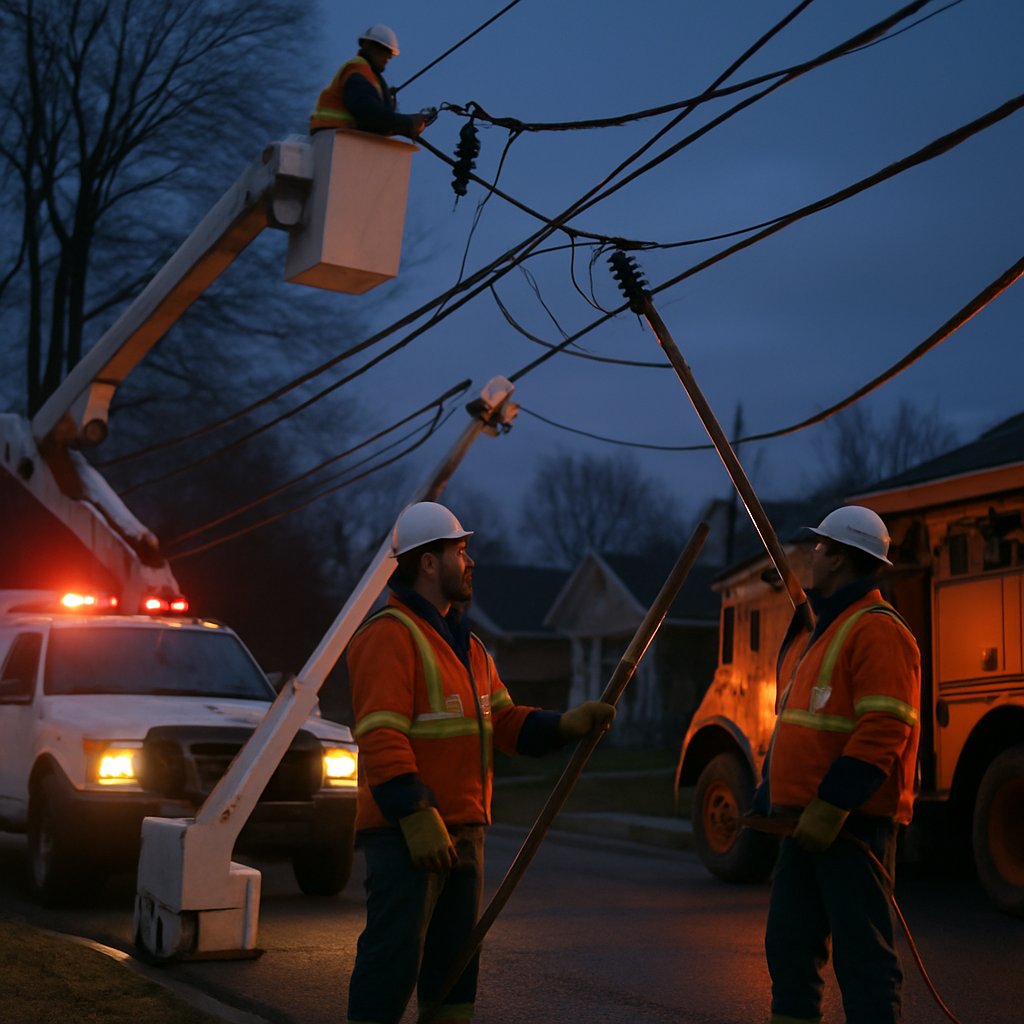
Meanwhile, demand from AI data centers and electrified transport pushes the system harder than anticipated. Subsequently, failure to respond could cost businesses billions in outage losses. In contrast, a modernized grid would accelerate clean energy deployment and support industrial growth. Consequently, Congress and federal agencies have started pairing funding with regulatory reforms.
Backlog Metrics Fully Exposed
Lawrence Berkeley National Laboratory pegs the interconnection queue at roughly 2,300 gigawatts of pending projects. Additionally, median wait times now approach five years, compared with under two years in 2008. Only a fifth of queued resources ever reach commercial operation. Therefore, Grid Stagnation manifests first as lost capacity growth.
- 2,300 GW projects awaiting interconnection
- $150 billion annual outage cost to the economy
- More than half of North America faces elevated adequacy risk by 2030
Moreover, backlog concentration aligns with regions flagged by NERC for resource adequacy concerns. Consequently, military bases in those zones may lack assured power during emergencies. These figures illustrate a critical choke point. However, policy momentum is finally building.
Policy Responses Take Shape
Congress created the $10.5 billion GRIP program to jump-start resilience investments. Meanwhile, FERC Order 2023 streamlines interconnection studies and queues. DOE, citing Grid Stagnation, urges states to adopt those rules swiftly. Moreover, the National Transmission Needs Study identifies corridors where federal siting authority could accelerate lines.
Consequently, states compete for early funding rounds to modernize local infrastructure. In contrast, some regulators worry about cost allocation fairness across ratepayers. Nevertheless, federal leaders frame the grid as a strategic asset comparable to interstate highways. The reform agenda is dense yet directional. Subsequently, security stakes underscore the urgency.
National Security Stakes Rise
FBI Director Christopher Wray warns that foreign hackers already position in critical systems. Furthermore, CISA advisories list the electric sector as a priority target. Grid Stagnation multiplies the damage such intrusions could cause. Delayed projects reduce redundant power paths and complicate islanding strategies for defense installations.
NERC’s latest assessment places over half the continent in elevated or high adequacy risk categories. Consequently, planners may struggle to surge energy for weapons production or disaster response. Moreover, outages already cost the economy $150 billion yearly, eroding competitiveness. Security analysts therefore rank grid modernization beside semiconductor policy. The next section evaluates technology accelerants.
Technology Tools Accelerate Progress
DOE touts artificial intelligence for automating study queues and validating interconnection models. Additionally, grid-enhancing technologies like dynamic line ratings unlock hidden capacity on existing wires. Topology optimization software reroutes power to relieve bottlenecks without new steel.
Professionals can sharpen relevant skills with the AI Cloud Architect™ certification. Moreover, utilities deploy synchrophasors and advanced relays to enhance situational awareness. Consequently, the technology stack expands faster than legacy procurement cycles anticipated. These tools compress timelines and strengthen infrastructure resilience. However, investment hurdles still loom.
Investment Needs And Costs
Estimates for full modernization run into the hundreds of billions over the next decade. Meanwhile, utilities face balance-sheet constraints and uncertain cost recovery mechanisms. Grid Stagnation inflates those costs by prolonging interim congestion expenses. In contrast, proactive builds can deliver consumer savings by reducing congestion payments.
Congressional appropriations cover only a fraction of the requirement, signaling space for private capital. Moreover, insurers price climate risks higher, increasing financing premiums for exposed infrastructure. Therefore, blended public-private models are gaining traction. Capital flows will decide upgrade pace. Cyber threats add another cost dimension.
Cyber Threat Landscape Broadens
Nation-state actors probe operational technology networks looking for credential weaknesses. Consequently, utilities must patch legacy devices while onboarding new digital controls. Grid Stagnation complicates that work because overextended staff juggle expansion and defense simultaneously. Additionally, greater data visibility can enlarge the cyber attack surface.
Nevertheless, modern relay firmware and zero-trust architectures offer stronger baselines than analog predecessors. Moreover, FERC now considers mandatory incident reporting rules to improve sector awareness. Security modernization must therefore run parallel to capacity expansion. The final section draws these threads together.
Strategic Path Forward Now
Experts agree that no single lever will resolve today’s impasse. However, bundling reforms can accelerate success. First, complete FERC Order 2023 implementation within every regional operator. Second, deploy grid-enhancing technologies aggressively during permitting battles. Third, integrate cyber resilience funding into all infrastructure proposals.
Grid Stagnation will persist unless leadership sustains coordinated action across agencies, utilities, and investors. Consequently, transparent metrics on queue reductions should be published quarterly. In contrast, secrecy fuels mistrust and slows capital deployment. Collective vigilance can transform backlog paralysis into resilient growth. The conclusion summarizes immediate priorities.
Grid Stagnation has shifted from a technical nuisance to a strategic emergency. Moreover, it restricts energy growth, elevates outage costs, and magnifies cyber consequences. Consequently, coordinated policy, capital, and technology must converge within this decade. Professionals confronting Grid Stagnation can lead by adopting agile tools and certified cloud skills. Therefore, explore the linked certification to position teams for the coming power transition. Act now, and Grid Stagnation will become a solved chapter rather than an enduring threat.
Disclaimer: Some content may be AI-generated or assisted and is provided ‘as is’ for informational purposes only, without warranties of accuracy or completeness, and does not imply endorsement or affiliation.


