

AI CERTS
2 months ago
HFS Intelligence Suite Sets New Bar For Decision-Grade Insight
However, questions linger about independence, pricing, and methodology. This article unpacks each component, benchmarks it against industry moves, and highlights what leaders should ask next.
Market Forces Shape Launch
Enterprises face shrinking decision windows. Therefore, they seek trusted signals that survive AI-driven scrutiny. Phil Fersht argues that 70 percent of traditional analysis is now commoditized. Nevertheless, the remaining slice—proprietary, structured knowledge—still commands premium value.
Forrester’s Izola assistant and Gartner’s portal upgrades illustrate this broader pattern. Moreover, buyers now expect searchable dashboards rather than static narratives. HFS Intelligence positions itself within this shift, betting that real-world performance data will eclipse expert commentary.
These pressures explain why the launch matters. Consequently, understanding the offering’s scope becomes urgent.
Key takeaway: Market dynamics reward firms packaging verifiable intelligence. In contrast, pure commentary loses influence. The next section dissects the new suite.
Inside The New Suite
The Suite aggregates four proprietary modules. First, a library details 1,800 live AI deployments, highlighting measured outcomes. Secondly, a Global Capability Center file tracks 1,500 captive hubs across regions and functions. Thirdly, the Enterprise Mandate Index captures 500,000 signals on budget direction. Finally, a joint benchmark with HEX Advisory delivers pricing and performance comparisons.
Additionally, HFS offers premium tiers, advisory add-ons, and early demo access. Subscription APIs are promised but not yet documented.
The following list summarizes quantitative claims:
- 1,800 documented AI deployments
- 1,500 Global Capability Centers covered
- 500,000 mandate index datapoints
- HEX Index benchmarks integrated
Professionals can enhance their expertise with the AI Data Professional™ certification, aligning skills with the Suite’s evidence-based approach.
Key takeaway: The Suite bundles complementary datasets into one subscription. However, each module’s lineage still needs external validation. Next, we explore why GCC coverage could prove critical.
GCC And Center Insights
Global Capability Centers now tackle innovation, not just cost reduction. EY’s 2025 survey shows 83 percent of centers investing in GenAI. Consequently, a verified center directory helps enterprises benchmark maturity and location strategy.
The Suite lists location, headcount, and functional focus for each center. Furthermore, it tags AI pilot status, letting users filter for operational success stories. HFS Intelligence therefore supports site selection, vendor strategy, and talent planning.
Key takeaway: Center intelligence bridges operational gaps between headquarters and offshore hubs. Subsequently, procurement teams need matching benchmarks, covered next.
Benchmarking For Informed Procurement
HEX Index inputs power the pricing component. Enterprises can compare contract rates, service-level terms, and throughput ratios across vendors. Moreover, sourcing leaders can model savings scenarios before negotiations.
Nevertheless, benchmark gaming remains a risk. Independent audits and transparent sample frames are essential. HFS promises quarterly refresh cycles, yet methodology documents remain under wraps.
Key takeaway: Benchmarks could shift negotiation leverage toward buyers. However, governance clarity will determine adoption. The following subsection explains the mandate index that predicts spending shifts.
Enterprise Mandate Index Explained
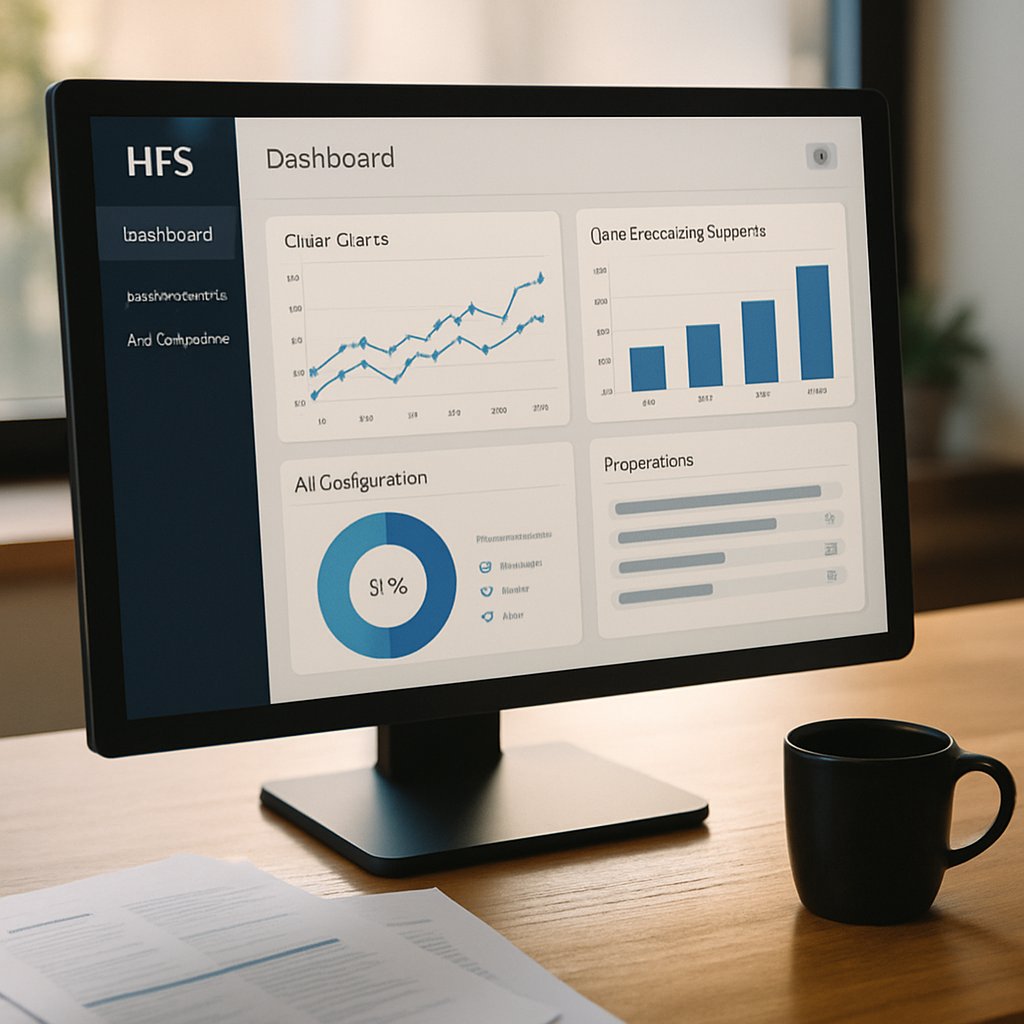
The index synthesizes 500,000 intent signals from surveys, earnings calls, and social sentiment. Consequently, it tracks momentum across functions such as finance automation or customer analytics. Dashboards plot heat maps, letting executives spot rising mandates early.
Therefore, users can correlate mandate spikes with benchmark pricing to time vendor engagements. Yet, without full sampling disclosure, confidence may dip.
Key takeaway: Predictive mandate tracking complements point-in-time benchmarks. Meanwhile, parallel moves by rival firms offer context.
Analyst Platform Trend Context
Forrester Decisions migrated 9,000 clients to its portal within a year. Similarly, IDC packaged trackers into a cohesive app. Consequently, HFS Intelligence joins a broad productization wave.
Additionally, clients value embedded chat assistants and workflow APIs. HFS’s roadmap mentions conversational search but provides no timeline. In contrast, Forrester’s Izola already answers 60,000 queries monthly.
Key takeaway: Competitive pressure will force rapid feature rollouts. Subsequently, buyers must scrutinize supplier independence and costs.
Governance, Pricing, Next Steps
Independence debates hover over every analyst monetizing benchmarks and advisory. Therefore, HFS needs clear firewalls separating commercial influence from scoring logic. Saurabh Gupta states that proprietary verification safeguards objectivity. Nevertheless, critics want third-party audits.
Pricing details remain undisclosed. Prospects should request tier definitions, seat limits, and API fees. Furthermore, methodology packets for each module should list sources, refresh cadence, and exclusion rules.
Recommended buyer checklist:
- Request anonymized sample records per module.
- Ask for governance and conflict policies.
- Verify update frequency and version control.
- Negotiate pilot access before full commitment.
Key takeaway: Diligent questioning will separate marketing gloss from measurable value. Consequently, leaders can enter the launch week prepared.
Overall, HFS Intelligence appears well timed, yet validation will decide impact.
Conclusion
HFS Intelligence answers a clear market hunger for decision-grade intelligence. Moreover, the Suite combines deployment evidence, center coverage, predictive mandates, and pricing benchmarks. Nevertheless, transparency on methodology, pricing, and governance must follow to sustain trust.
Executives should trial the platform, request audits, and cross-reference findings with internal metrics. Additionally, sharpening personal skills remains vital. Pursue the AI Data Professional™ certification to deepen analytical rigor and maximize value from emerging intelligence platforms.
Disclaimer: Some content may be AI-generated or assisted and is provided ‘as is’ for informational purposes only, without warranties of accuracy or completeness, and does not imply endorsement or affiliation.


