

AI CERTS
2 hours ago
AI Policy Controversy: ChatGPT Grant Fallout
This article unpacks the timeline, core claims, and forward-looking implications. Moreover, it highlights professional steps and certifications that boost literacy in responsible AI strategy.
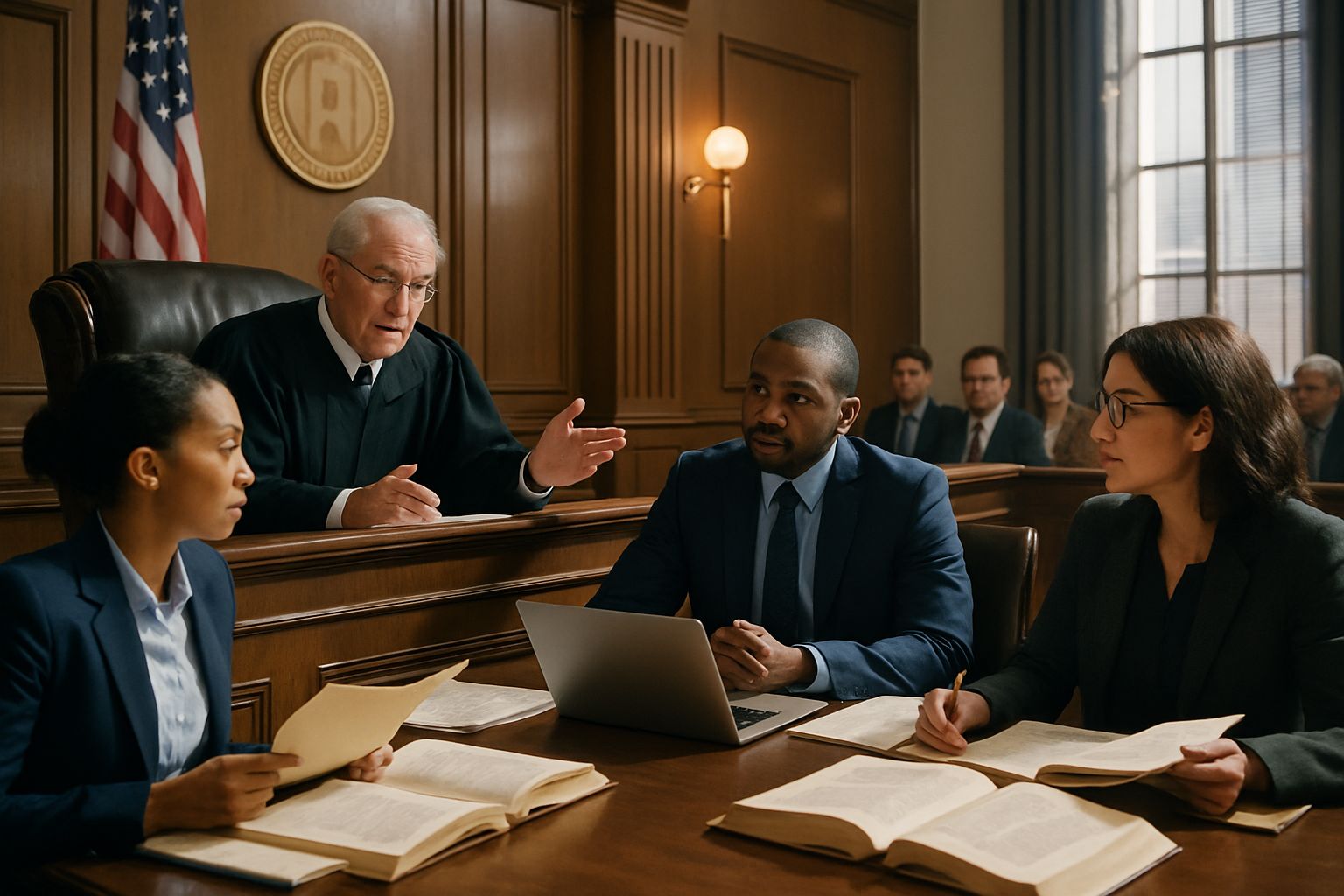
ChatGPT Review Sparks Outcry
Internal emails indicate DOGE analyst Justin Fox copied project abstracts into ChatGPT with a rigid prompt. Subsequently, the model replied “Yes” or “No” on whether each proposal related to DEI. Those terse answers, recorded without human vetting, generated a bulk action list.
Fortune later quoted one response about a $349,000 HVAC overhaul: “Yes…#DEI.” Scholars argued the answer misunderstood preservation work. Nevertheless, termination notices went out on 2 April 2025, blindsiding librarians, archivists, and small museums.
These revelations intensified the AI Policy Controversy, raising doubts about chatbots in critical administrative reviews. Observers also questioned why seasoned peer-reviewers were sidelined.
Such process shortcuts alarmed oversight bodies. Consequently, watchdogs flagged the episode on OECD.ai’s incident tracker as a governance failure.
These early disclosures set the stage for deeper inquiry. Meanwhile, plaintiffs gathered depositions to map decision chains.
Mass Grant Terminations Detailed
Plaintiffs’ filings list 1,057 Grants that ChatGPT tagged “DEI.” Additionally, over 300 more projects lost funding for unexplained reasons. Combined, cancellations exceeded $100 million in appropriated money.
Data show cancelled Grants spanned museum expansions, language revitalization, and Holocaust documentation. In contrast, many unrelated initiatives survived. Therefore, plaintiffs argue viewpoint bias drove selections.
Discovery further revealed DOGE staff used Signal messages with auto-delete toggled. Moreover, termination letters originated from non-government email aliases, triggering Federal Records Act alarms.
These numbers illustrate the controversy’s breadth. Consequently, courts now weigh both statistical impact and procedural irregularities.
Legal Claims Gain Momentum
ACLS, AHA, and MLA filed the first Lawsuit on 1 May 2025. Authors Guild soon joined. Their consolidated complaint cites First Amendment viewpoint discrimination, equal-protection breaches, and ultra vires agency action.
March 6, 2026 brought a pivotal motion for summary judgment. Plaintiffs released depositions showing officials admitted leaning on ChatGPT outputs. Furthermore, Joy Connolly stated, “This administration shows contempt for scholarly independence.”
Government lawyers counter that executive orders required scrutiny of DEI spending. However, they deny that ChatGPT alone dictated choices. A forthcoming brief will clarify that stance.
The unfolding AI Policy Controversy now hinges on whether algorithmic triage qualifies as a final decision. Courts must also decide if Congress’s power over Grants was unlawfully usurped.
These proceedings could shape future administrative AI use. Consequently, legal teams monitor parallel agency disputes for precedential cues.
Constitutional Stakes Fully Explained
Viewpoint discrimination claims rest on terminated Holocaust projects and Indigenous language programs. Plaintiffs note disproportionate impact on protected groups. Additionally, equal-protection arguments stress inconsistent treatment across similar proposals.
Administrative law counts allege DOGE lacked statutory authority to halt Grants once NEH signed award letters. Moreover, procedural counts cite missing record-keeping and absent notice-and-comment steps.
If plaintiffs prevail, courts could vacate terminations and order restitution. Consequently, agencies nationwide may tighten AI protocols to avoid similar Liability.
These constitutional debates underscore high stakes. Meanwhile, policy advisers craft interim guidance on acceptable LLM deployment.
AI Governance Lessons Emerging
Independent analysts frame the saga as a textbook risk case. Large language models excel at drafting text, yet classification demands verifiable accuracy. Nevertheless, DOGE embraced ChatGPT without benchmarking or bias audits.
Moreover, outputs lacked probability scores or explanations, undercutting transparency. Consequently, downstream officials could not challenge misfires. Those governance gaps fueled the AI Policy Controversy across think-tank panels and congressional hearings.
Professionals should adopt multilayered checks when LLMs inform spending decisions:
- Validate model outputs against subject-matter experts before action.
- Log prompts, responses, and human overrides for accountability.
- Publish risk assessments describing error tolerance levels.
- Provide appeal channels to affected parties.
Following such practices mitigates headline risk and legal exposure. Furthermore, the AI Marketing Strategist™ certification offers structured frameworks for compliant deployment.
These lessons already inform draft federal AI guidance. Consequently, tech leaders scramble to update internal playbooks.
Diverse Projects At Risk
Terminated Grants included Holocaust survivor oral histories, tribal language dictionaries, and rural library STEM kits. Scholars warn that cultural memory suffers when funding becomes ideological collateral.
In contrast, unaffected science agencies avoided similar crackdowns, highlighting uneven enforcement of the same executive rhetoric. Moreover, many community partners faced layoffs after lost support.
Restoration could revive paused fieldwork. Nevertheless, delays have already disrupted academic calendars and endangered fragile archives.
These human impacts personalize the AI Policy Controversy. Consequently, policymakers weigh costs of hasty technological shortcuts.
What Professionals Should Watch
Several milestones loom. First, the court will rule on the March 2026 summary-judgment motion. Additionally, protective-order disputes over deposition videos influence public scrutiny.
Second, expect updated Office of Management and Budget guidance on generative AI procurement. Furthermore, Congress may hold oversight hearings spotlighting Grants governance.
Third, parallel suits could cite this precedent when challenging algorithmic determinations in healthcare or housing. Therefore, compliance officers should map potential ripple effects.
Finally, continuous learning remains essential. Professionals can deepen policy fluency through niche programs. For instance, the previously linked certification adds commercial perspective to regulatory awareness.
These checkpoints will determine lasting outcomes. Meanwhile, stakeholders must prepare adaptable strategies.
In summary, the AI Policy Controversy intertwines legal, ethical, and operational threads. Yet proactive governance offers a pathway toward credible, resilient AI adoption.
Conclusion
The NEH episode illustrates how untested automation can jeopardize constitutional rights, institutional trust, and irreplaceable scholarship. Moreover, the pending Lawsuit could redefine agency obligations when algorithms influence public funds. Governance frameworks, expert audits, and transparent records therefore emerge as indispensable safeguards. Professionals should monitor rulings, update risk protocols, and pursue continuous education. Consequently, now is the moment to explore specialized credentials and lead responsible innovation.
Disclaimer: Some content may be AI-generated or assisted and is provided ‘as is’ for informational purposes only, without warranties of accuracy or completeness, and does not imply endorsement or affiliation.


