

AI CERTs
2 months ago
OpenAI Fusion Bet Highlights Clean Energy Ambitions
Investors have poured billions into fusion. Consequently, OpenAI now explores buying power from Helion Energy. The reported talks aim to secure vast, low-carbon capacity by the next decade. Many analysts view the move as a landmark pursuit of Clean Energy for hyperscale compute.
However, the agreement is not final. Axios reports only anonymous details. Nevertheless, the scale would dwarf earlier fusion offtakes if it closes. The next paragraphs unpack the opportunity, risks, and strategic context.
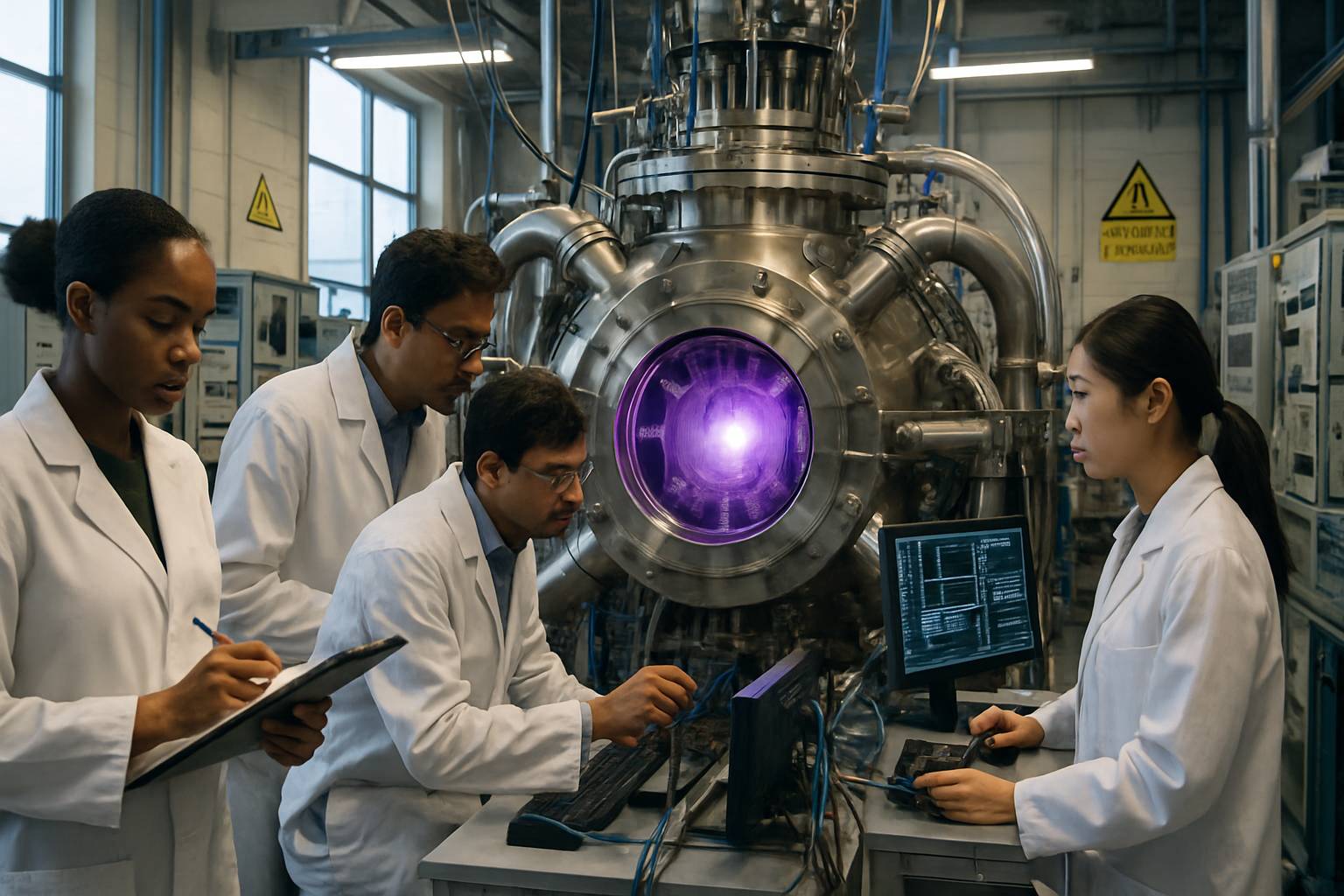
Fusion Deal Signals Shift
OpenAI needs soaring amounts of electricity for ever larger models. Therefore, executives are courting alternatives to conventional grids. The proposed contract would reserve 12.5% of Helion output. Moreover, that slice equals 5 GW by 2030 and could reach 50 GW by 2035.
In contrast, Microsoft’s earlier fusion arrangement covers just 50 MW. Google’s Commonwealth Fusion Systems deal is 200 MW. Consequently, OpenAI’s potential commitment is orders of magnitude larger.
Such volume would deliver Clean Energy straight to data centers, easing carbon targets and price volatility. Yet the numbers remain speculative until a signed power-purchase agreement appears.
These figures reveal a profound demand signal. However, headline capacity means little without proven generation.
Helion Prototype Progress Update
Helion operates a pulsed field-reversed configuration machine called Polaris. The seventh-generation prototype intends to demonstrate net electricity within two years. Furthermore, the company raised $425 million in 2025 to accelerate commercialization.
CEO David Kirtley claims the design converts fusion energy directly to electricity using magnetic induction. Consequently, no steam turbines are required, simplifying plants and cutting costs.
Nevertheless, experts caution that Helion has not reached engineering breakeven. Scientific breakeven alone will not power neighborhoods, let alone massive server farms needing Clean Energy.
Polaris milestones must land on time. Otherwise, the OpenAI deal could unravel.
These technical hurdles dominate investor conversations. Meanwhile, supply concerns gain equal attention.
Technology Milestones Remain Unproven
The wider fusion sector still chases continuous, repeatable net output. Additionally, regulators require robust safety demonstrations before any grid interconnection.
Oak Ridge scientist Troy Carter notes AI companies drive fusion funding because data centers crave reliable Clean Energy. However, Carter also stresses that no private venture has yet delivered sustained power externally.
Bloomberg analysts remain skeptical about Helion timelines. Consequently, they question whether 2028 pilot delivery dates are feasible.
Breakthroughs could arrive unexpectedly. Nevertheless, history shows fusion deadlines often slip decades.
These uncertainties underscore execution risk. Therefore, procurement teams draft escape clauses in tentative contracts.
Supply Chain Challenges Loom
Helion’s design needs millions of pulse-power semiconductors and giant capacitors. Moreover, suppliers must ramp output rapidly while meeting tight tolerances.
CEO Kirtley told TechCrunch that chip availability dictates schedules. Consequently, delayed components could cascade into plant timelines, delaying Clean Energy delivery.
Building factories, securing rare materials, and training technicians introduce parallel hurdles. Additionally, shipping heavy modules to remote sites strains logistics.
Key supply pain points include:
- Pulsed semiconductor switch manufacturing capacity
- High-voltage capacitor lead times exceeding 24 months
- Specialized cryogenic metals for reactor housings
- Grid interconnection hardware facing permitting bottlenecks
These chokepoints threaten production speed. However, early volume commitments from buyers could justify supplier expansion.
The obstacles paint a rigorous path. Yet governance questions raise additional complexity.
Governance Questions And Optics
Sam Altman invests heavily in Helion while leading OpenAI. Axios reports he stepped off Helion’s board and recused himself from talks. Nevertheless, watchdogs debate whether influence lingers informally.
Corporate ethics experts advocate transparent firewalls. Moreover, regulators may scrutinize any preferential treatment when allocating Clean Energy capacity.
OpenAI has declined comment so far. Consequently, outsiders cannot confirm the final governance structure.
Professionals can enhance their expertise with the AI Project Manager™ certification. Such training helps leaders navigate complex vendor relationships.
These oversight issues may delay approvals. Meanwhile, market dynamics continue to evolve.
Market Impact For Datacenters
Hyperscale operators chase resilient, carbon-free electricity as compute intensity spikes. Furthermore, renewable intermittency challenges real-time workloads.
Fusion promises dense, dispatchable Clean Energy without fossil emissions. Consequently, early offtakers hope to lock attractive tariffs before capacity auctions intensify.
Analysts outline three potential benefits:
- Long-term price stability insulating budgets from volatile fuels
- Regulatory goodwill by cutting Scope 2 emissions rapidly
- Competitive advantage in siting future supercomputers
However, competitors could respond quickly. Google already holds a 200 MW fusion option. Microsoft remains first in line at Helion’s Washington plant.
These dynamics may accelerate fusion financing. Therefore, industry stakeholders monitor each contract announcement closely.
The commercial race tightens quarterly. Consequently, stakeholders demand clearer roadmaps from fusion ventures.
Roadmap And Next Steps
Observers await a public power-purchase agreement filing. Additionally, reporters scan Washington state permitting databases for construction updates.
Helion plans to generate first grid electricity by 2028. Meanwhile, OpenAI gears up for “Stargate” class clusters requiring multi-gigawatt Clean Energy inputs.
Journalists should:
- Request on-record comments from both firms
- Track interconnection queue entries for Helion
- Compare projected costs against solar, wind, and storage
- Monitor policy shifts favoring advanced reactors
These actions will clarify feasibility soon. Moreover, confirmation will influence broader investment flows.
Clarity on timelines empowers procurement strategy. Subsequently, market confidence could surge or stall.
In conclusion, OpenAI’s interest underscores the pivotal role of fusion in future Clean Energy portfolios.
However, engineers must first solve physics, manufacturing, and governance puzzles before electrons flow.
Disclaimer: Some content may be AI-generated or assisted and is provided ‘as is’ for informational purposes only, without warranties of accuracy or completeness, and does not imply endorsement or affiliation.


