

AI CERTs
2 months ago
Nintendo Switch 2 Output Reduction Signals Market Shift
Investors woke Tuesday to surprising console news. Bloomberg reported a major Output Reduction for Nintendo's Switch 2 manufacturing schedule. Consequently, production for the March quarter will drop from six million to four million units. The figure represents a cut exceeding thirty percent, startling for a system launched only nine months ago. Moreover, sources blamed weaker holiday demand in the United States, not factory constraints. Signals of softer momentum appeared after an explosive June debut that moved 3.5 million consoles in four days. These conflicting trends demand closer analysis for supply-chain teams, publishers, and investors tracking Nintendo. Therefore, this article unpacks the numbers, drivers, and strategic implications behind the unexpected pivot. Along the way, we test Bloomberg's claims against Nintendo's official disclosures and analyst commentary. We also spotlight certification paths that can sharpen sales forecasting skills amid volatile hardware cycles.
Early Launch Momentum Falters
Nintendo entered fiscal 2026 riding considerable Switch 2 enthusiasm. Additionally, the console cleared 10.36 million units shipped by September, company filings show. Analysts praised that velocity, noting steady supply prevented scalper-induced shortages seen with prior launches. Furthermore, management lifted its full-year guidance from 15 million to 19 million systems in November. In contrast, post-holiday sell-through readings appeared softer, especially in large U.S. retailers. Circana data hinted at stalled weekly rankings, although official numbers remain unpublished. Consequently, channel inventory likely expanded, pressuring Nintendo to slow factory lines. That context set the stage for March's announced Output Reduction, despite earlier bullish forecasts. These early signals reveal momentum can reverse quickly. However, deeper factors warrant inspection next.
Production Cut Details Explained
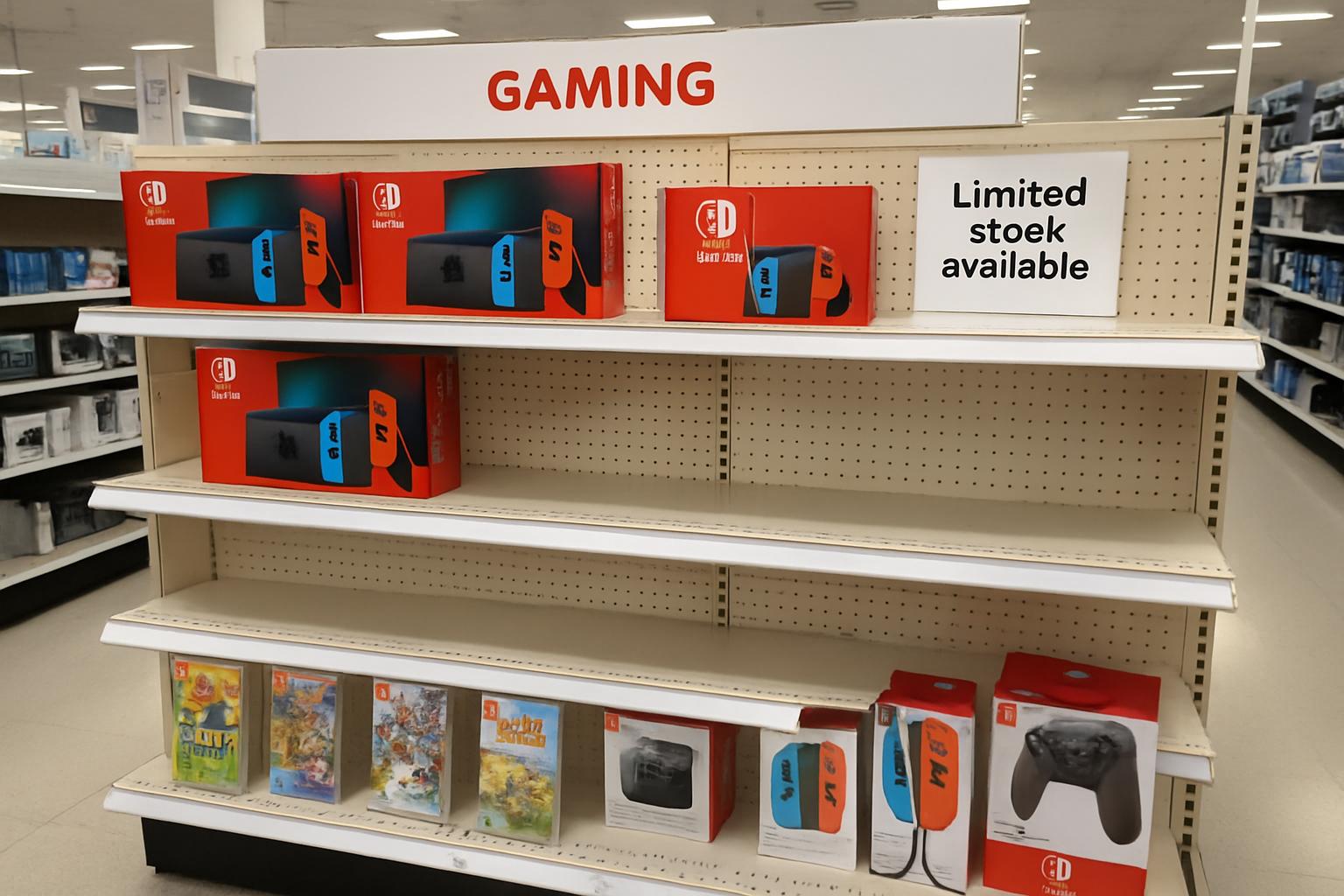
Bloomberg's March 24 story specified concrete manufacturing adjustments. Sources said Nintendo trimmed planned output from six million to four million consoles for the quarter. Meanwhile, assembly schedules for April reportedly mirror the lower pace. That adjustment signals a sustained Output Reduction rather than a one-time inventory correction. Key figures summarizing the shift appear below.
- Planned quarter units: 6 million
- Revised quarter units: 4 million
- Percentage cut: ~33%
- Previous FY target: 19 million units
- Launch sell-in through September: 10.36 million units
Notably, Nintendo has not yet lowered its 19 million fiscal-year shipment goal publicly. Nevertheless, investors will monitor the next earnings call for confirmation or revised guidance. These production specifics frame our analysis. Consequently, we now explore macro factors influencing the decision.
Market Forces At Play
Console demand rarely moves in isolation. Instead, macroeconomic shifts, competitor promotions, and component inflation interplay. Moreover, U.S. discretionary spending cooled in late 2025 as student loan repayments resumed. Similarly, rival platforms discounted older hardware, tilting value perception against the premium Switch 2. In contrast, Europe and Japan maintained steadier sell-through, according to channel anecdotes. Therefore, Nintendo's Output Reduction focuses on global production yet addresses primarily U.S. overstock. The company historically fine-tunes worldwide allocation rather than shuttering regional supply completely. Such geographic nuance underpins upcoming supply-chain assessments. Meanwhile, component trends deserve separate attention.
Memory Prices Squeeze Margins
DRAM and NAND costs surged through early 2026 amid AI server expansion. Consequently, per-unit Switch 2 margins shrank, even before promotional markdowns. Bloomberg's February coverage showed investors slashing Nintendo's market value by ten percent on margin fears. Additionally, management acknowledged memory inflation during its quarterly briefing. Higher input costs raise the opportunity cost of building surplus consoles that might linger unsold. Therefore, an Output Reduction limits exposure to elevated bills of material while demand stabilizes. Several suppliers, including Samsung and Micron, expect pricing strength to continue through summer. These cost pressures reinforce supply discipline. However, software timing also matters for hardware pull-through.
Software Slate Impact Analysis
Nintendo's first-party titles anchor hardware adoption. However, the holiday window lacked a blockbuster comparable to Zelda or Mario Kart. Third-party lineups likewise skewed toward cross-platform releases rather than Switch 2 exclusives. Analysts surveyed by AP described the calendar as "thin" and potentially unable to spark incremental demand. Moreover, multiplayer shooters on competing consoles benefited from seasonal content drops, capturing consumer attention. Therefore, Nintendo faced a double squeeze: softer software and rising costs, culminating in the Output Reduction. Looking ahead, upcoming Pokemon and Metroid entries could reignite interest if schedules hold. Such releases would enhance attach rates and smooth production planning. Consequently, channel watchers await dates.
Retail Channel Signals Mixed
Inventory dynamics remain difficult to gauge without firm NPD numbers. Nevertheless, anecdotal evidence paints a nuanced picture across big-box and specialty outlets. GameStop managers cited steady foot traffic but slower high-ticket console conversions post-holiday. Meanwhile, Amazon listings show consistent availability, suggesting warehouses hold buffer stock. In contrast, Japanese retailers still report intermittent shortages, indicating regionally uneven demand streams. Consequently, a balanced Output Reduction allows Nintendo to feed tight markets while draining U.S. inventories. Supply-chain teams will watch restock cadence next quarter. Furthermore, pricing moves could accelerate sell-through. These mixed signals illustrate imperfect data visibility. Therefore, strategic planning must remain adaptive.
Strategic Options Moving Forward
Management retains several levers beyond factory throttling. Price adjustments, bundled software, or targeted marketing could reignite consumer excitement. Additionally, Nintendo could shift allocation toward markets with healthier demand elasticity. Another option involves absorbing some margin pressure by negotiating memory contracts earlier. However, that strategy risks locking elevated component prices into future quarters. Professionals can enhance their expertise with the AI Sales Strategist™ certification. Consequently, graduates learn to forecast demand shifts and calibrate inventory without severe Output Reduction. Strategic agility will define Switch 2 profitability until cost curves and software calendars align again. These options shape medium-term trajectories. Meanwhile, stakeholders underline the importance of transparent communication.
Nintendo's swift Output Reduction underscores how fragile console momentum can become after a record start. Moreover, rising memory costs, subdued holiday demand, and a thin software slate converged to force recalibration. Nevertheless, early install bases remain healthy, offering headroom for renewed growth once content pipelines mature. Consequently, disciplined manufacturing, smarter channel incentives, and clear messaging may negate deeper Output Reduction later. Industry professionals should monitor upcoming earnings for guidance changes and watch memory pricing for margin clues. For those advising sales teams, continuous learning through certifications delivers a competitive edge. Take action today by exploring advanced programs and positioning your strategy ahead of the next market twist.
Disclaimer: Some content may be AI-generated or assisted and is provided ‘as is’ for informational purposes only, without warranties of accuracy or completeness, and does not imply endorsement or affiliation.


