

AI CERTs
2 months ago
Generative Motion Debut: Midjourney Video V1 Launch
Midjourney has shifted the video field again. On 18 June 2025 the company unveiled Video V1, its first image-to-video model. The Generative Motion Debut arrives amid soaring interest in AI clips and mounting legal scrutiny. Consequently, creators can now press “Animate” on a still and get four five-second animations in seconds. Moreover, they can extend each clip up to twenty-one seconds through incremental runs. The workflow lives on the familiar web and Discord interfaces, therefore lowering friction for Midjourney’s almost 20 million users. However, Disney and NBCUniversal sued the firm a week earlier, alleging infringement from training data and outputs. That tension frames the launch narrative and raises hard questions for enterprises. Meanwhile, rival platforms like Sora and Veo watch closely. Industry analysts see the move as an aggressive play for mass adoption. Consequently, video generation costs now approach those for single images, a notable pricing signal.
Launch Sets New Stage
June 18 marked a pivotal moment for Midjourney. The public Generative Motion Debut instantly trended across designer forums and tech press.
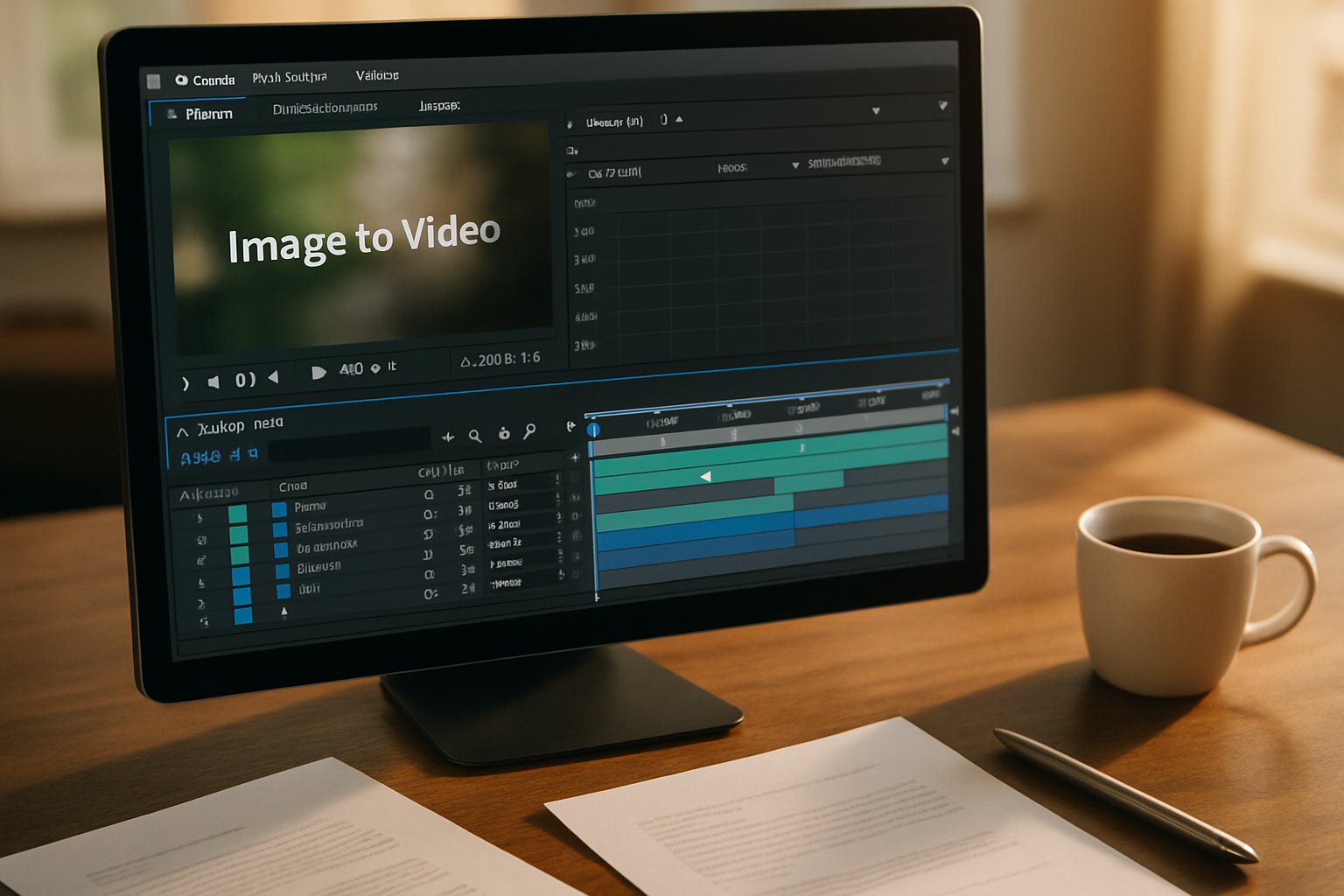
TechCrunch, VentureBeat, and TechRadar published hands-on impressions within hours. Furthermore, each outlet highlighted the low $10 entry tier that already served twenty million subscribers.
Midjourney framed V1 as an exploratory step toward real-time simulations. CEO David Holz wrote, “Our focus has been images… the inevitable destination is open-world simulations.”
Consequently, analysts interpreted the Release as a beachhead that will prepare the platform for spatial computing.
These narratives underscore the event’s weight. Consequently, pricing strategy deserves closer attention.
Pricing Lowers Entry Bar
Midjourney kept things simple for the Generative Motion Debut. Subscribers on the $10 Basic tier can try video without extra fees.
Moreover, Pro and Mega plans add unlimited clips in Relax mode, though jobs run slower.
Midjourney explained that each video consumes eight times the GPU time of one image. Therefore, cost per second mirrors a single image fee, a persuasive metric for budget-minded studios.
- Basic: $10 monthly, 15 fast GPU hours, video enabled.
- Pro: $60 monthly, 30 fast hours, unlimited Relax video.
- Mega: $120 monthly, 60 fast hours, priority queue and Relax video.
Analysts argue the model undercuts rival Tools by a wide margin. In contrast, OpenAI’s Sora remains invite-only without listed pricing.
Affordable tiers broaden Creative experimentation at scale. Subsequently, workflow details reveal how users animate images.
Workflow And Core Features
The Generative Motion Debut employs an image-to-video workflow known as I2V. Users upload or generate a still, then click Animate within the Midjourney interface.
Automatic motion guesses camera pans and object shifts. Additionally, creators can write a motion prompt for granular control.
Outputs arrive as four five-second clips rendered side by side. Meanwhile, an Extend button adds about four seconds per run, four times total, reaching twenty-one seconds.
Midjourney omitted native audio, advanced timeline editing, and photoreal fidelity in this Release. Consequently, outputs retain the stylized Midjourney look that many artists praise.
Key Usage Statistics Snapshot
- Reported user base: roughly 20-21 million.
- 2024 revenue cited in filings: about $300 million.
- Video job GPU cost: eight times an image job.
These figures originate from studio complaints rather than audited filings.
The streamlined workflow fuels rapid Multimedia experimentation. Nevertheless, fierce competition is reshaping user expectations.
Competitive Market Landscape
Midjourney’s Generative Motion Debut lands in a crowded arena. OpenAI’s Sora, Google’s Veo, and Runway Gen-4 chase longer runtimes and higher fidelity.
However, their closed betas or enterprise pricing limit casual Creative testing. Adobe, Luma, and Pika market Tools with tighter indemnity guarantees for brands.
Analysts note that Midjourney’s community scale grants valuable feedback cycles. Consequently, incremental updates arrive faster than many rivals manage.
In contrast, longer-form platforms focus on studio partnerships and corporate licences.
Competition accelerates feature roadmaps across the Multimedia sector. Next, rising litigation risks may slow that pace.
Legal Storm Clouds Loom
Disney and NBCUniversal filed complaints only seven days before the Generative Motion Debut. The studios allege Midjourney trained on copyrighted characters without permission.
Therefore, they argue video outputs can replicate protected likenesses. Horacio Gutierrez stated, “Piracy is piracy… AI does not excuse infringement.”
Moreover, the complaint quotes estimated 2024 revenue of $300 million and twenty million users to demonstrate scale. Midjourney has not disclosed official financials, highlighting uncertainty for investors.
Consequently, enterprises lacking indemnity may hesitate to deploy AI Tools widely.
Litigation threatens to redefine acceptable training data and Release practices. Nevertheless, Midjourney continues shipping features toward its simulation roadmap.
Roadmap And Outlook Ahead
Midjourney positions the Generative Motion Debut as only the first waypoint. David Holz speaks about real-time, open-world experiences combining imagery, motion, and interactivity.
Furthermore, the team hints at planned audio generation and longer timelines. Additional controls like consistent characters, seeds, and 3D handles appear on internal roadmaps.
Professionals can enhance their expertise with the Bitcoin Security Specialist™ certification. Moreover, such credentials help teams evaluate security implications of AI pipelines and blockchain integrations.
Roadmap signals excite the Creative community awaiting richer Multimedia scenarios. Consequently, the next Release cycle will reveal Midjourney’s execution speed.
Conclusion
Midjourney’s Generative Motion Debut demonstrates how swiftly AI capabilities reach mainstream creators. Pricing parity with images removes a historic barrier for experimental Multimedia storytelling. However, unresolved litigation could reshape permissible training corpora and force stricter Tools governance. Consequently, enterprises should track settlement outcomes before committing large Creative budgets. The Generative Motion Debut will evolve through longer clips, audio, and tighter user controls. Moreover, expanded seed handling could align the Generative Motion Debut with professional pipeline demands. Nevertheless, experimentation today offers a head start for teams preparing the next Release wave. Invested readers should explore certifications and share early findings to advance responsible adoption. Start by reviewing the linked Bitcoin Security Specialist program to deepen security fluency.
Disclaimer: Some content may be AI-generated or assisted and is provided ‘as is’ for informational purposes only, without warranties of accuracy or completeness, and does not imply endorsement or affiliation.


