

AI CERTs
2 months ago
Generative Art Shift Drives New Museum’s Bold Reopening
Opening weekends rarely promise intellectual fireworks, yet the New Museum just delivered precisely that. On March 21, 2026, the institution reopened after a two-year expansion costing $82 million. Consequently, visitors experienced the ambitious show "New Humans: Memories of the Future" without paying admission fees. Curator Massimiliano Gioni positions the project as a "diagonal history" of artistic technology and speculative futures. However, the most striking narrative threads revolve around the Generative Art Shift. This term captures how AI, robotics, and algorithmic processes now dominate conversations once reserved for paint and film. Moreover, the exhibition situates today's code-driven imagery beside 1960s plotter drawings, creating unexpected dialogues. Meanwhile, architects at OMA delivered 61,930 square feet of new space to stage these dialogues. Therefore, every gallery, stair, and forum now serves as a laboratory for fresh Media and archival wisdom. In contrast, many Culture institutions still isolate technology into side rooms, missing the broader contextual conversation. Subsequently, industry professionals are watching whether this model scales beyond New York art circles. This article unpacks the show's mechanics, architecture, and debates. It also outlines lessons for museums confronting a Generative Art Shift.
Expansion Redefines Exhibition
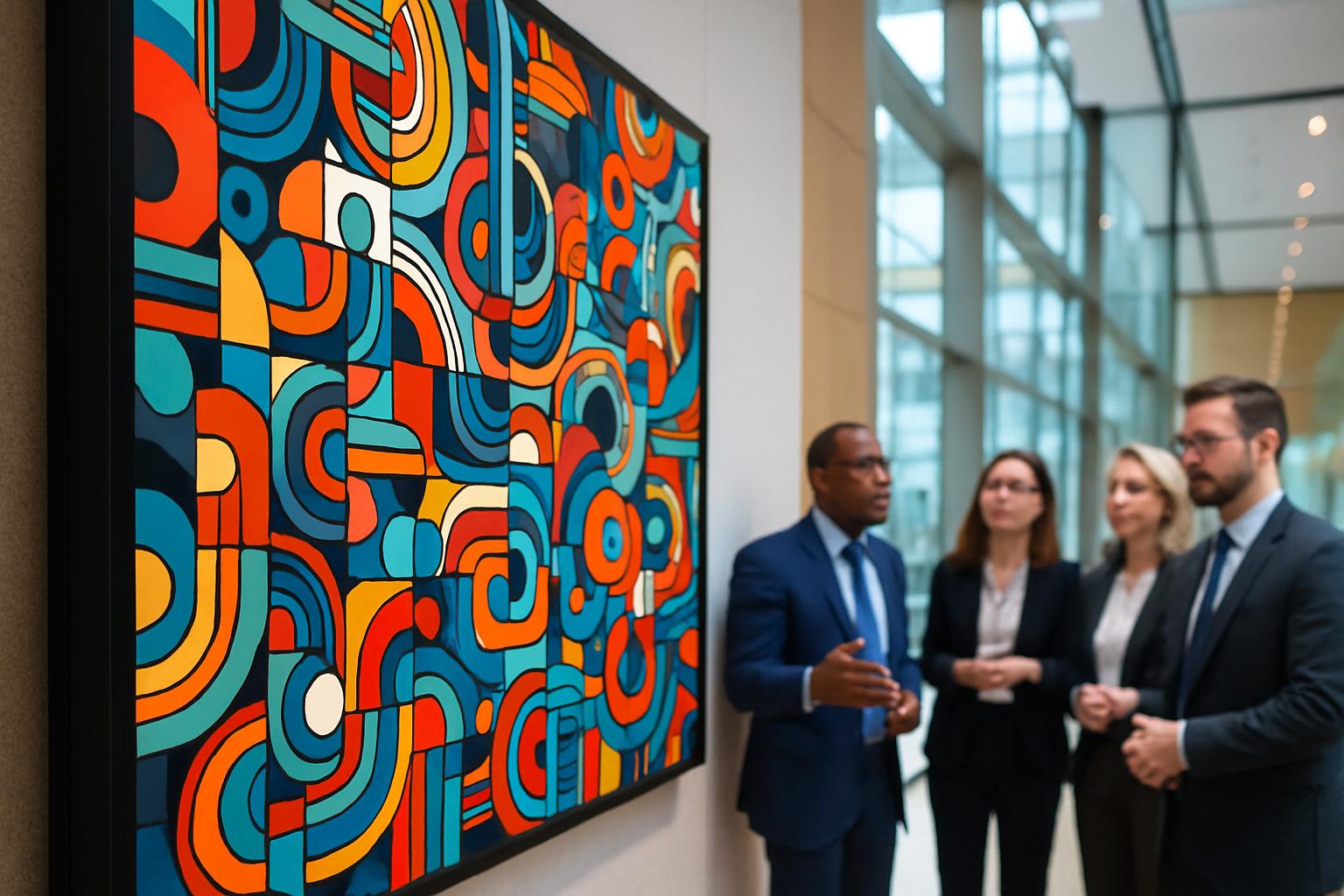
Visitors first notice raw scale rather than individual artworks. OMA's extension adds 61,930 square feet, raising total footprint near 120,000 square feet. Furthermore, nearly 9,600 square feet became fresh gallery zones engineered for heavy Digital infrastructure. Rem Koolhaas calls the building a "counterpart," not an echo, to SANAA's original latticed tower.
- Budget: $82 million funded through diverse donors.
- Participants: more than 200 artists, scientists, and filmmakers.
- Opening: March 21-22, 2026, free admission weekend.
- Transportation: three new elevators improve vertical flow.
- Amenities: studios, forum, restaurant encourage cross-disciplinary Culture.
Consequently, circulation feels smoother, and large robotic installations now fit without structural compromises. These infrastructural gains set the stage for a Generative Art Shift in curatorial ambition. Expanded walls support bigger questions and taller sculptures. However, scale alone cannot guarantee intellectual coherence. Historical context therefore becomes the museum's next essential tool.
Historical Machine Art Lineage
Gioni refuses to treat AI as an isolated novelty. Instead, he threads algorithmic drawings from 1960s pioneers like Vera Molnar beside current diffusion imagery. Moreover, robot arms that once traced ink lines now appear alongside text-to-image animations by Stephanie Dinkins. The exhibition highlights how each generation redefined authorship during its own Generative Art Shift. In contrast, many Culture history textbooks still separate machine art from mainstream narratives. By collapsing decades into single rooms, the show forces new Media comparisons across analog and Digital eras. Consequently, audiences realize AI controversies mirror earlier fears over photography or mechanical looms. Such perspective tempers hype and grounds policy debates. Historical juxtapositions contextualize technological anxiety. Therefore, practitioners depart with richer timelines informing future experiments. Architecture supports these narratives, as the next section explores.
Architectural Spaces Empower Creativity
Shohei Shigematsu designed galleries with adaptable lighting grids and hidden server rooms. Therefore, high-resolution projections run without intrusive cabling or fan noise. Meanwhile, the new forum doubles as event space for live coding performances and policy roundtables. Furthermore, artist studios within the tower allow prototyping only steps away from exhibition halls. This proximity accelerates iteration, embodying the Generative Art Shift from isolated labs to public platforms. OMA inserted an atrium stair that visually links classic paintings with hovering aerobes by Anicka Yi. Consequently, visitors perceive one continuous narrative rather than disconnected floors. Acoustic treatments also accommodate delicate Media works and metallic robotic arms without sonic clashes. Design choices translate curatorial theory into embodied experience. Nevertheless, programming decisions ultimately activate these rooms. Public events therefore become critical engagement engines.
Public Programs Spur Debate
Kate Crawford and Trevor Paglen headline panels on surveillance, labor, and algorithmic opacity. Additionally, workshops invite lawyers, educators, and developers to critique datasets powering headline artworks. Meanwhile, students may pursue the AI Educator™ certification to deepen skills. Moreover, the museum leverages its NEW INC incubator to prototype fairer data collection practices. Such dialogues exemplify how the Generative Art Shift intersects ethics, law, and pedagogy. However, ticket price increases after opening weekend raise accessibility concerns for some New York residents. Curators promise discounted forums, yet sustainability of that pledge remains untested. Robust programming multiplies interpretive layers beyond wall labels. Consequently, debates will shape future revisions of the show catalogue. Visitor flow offers another lens on impact.
Visitor Experience Insights
Opening crowds queued yet moved swiftly due to new elevators and wider landings. Nevertheless, some viewers found the 200-artist roster overwhelming within a single afternoon. Docents advised strategic breaks at the restaurant, which overlooks Digital murals pulsing with generative code. Furthermore, wayfinding signage now integrates discreet QR codes linking to Media glossaries. These micro-resources help professionals verify terminology before critiquing pieces on record. In contrast, earlier New Museum shows required printed guides that often ran out by midday. An internal survey shows 78% of visitors understood AI lineage after comparing plotters with diffusion models. Such feedback will inform label revisions before international tours hit other New York boroughs. Visitor analytics confirm the architectural investment pays cognitive dividends. Therefore, institutional peers are watching with practical curiosity. Strategic lessons now extend beyond city limits.
Future Implications For Institutions
Museums worldwide face accelerating software releases, hardware costs, and audience expectations. Consequently, many boards debate whether to follow this Generative Art Shift blueprint or remain medium-agnostic. Gioni advises beginning with cross-disciplinary staff meetings rather than immediate tech procurement. Additionally, transparent partnerships with universities can offset Digital infrastructure expenses. Rem Koolhaas suggests designing flexible ceilings and robust power trunks before even selecting exhibited Media. Meanwhile, directors must balance blockbuster crowds with missions around equitable Culture representation. These choices will define whether future expansions empower or constrain curatorial imagination. Ultimately, the ongoing Generative Art Shift challenges institutions to prototype governance as rigorously as installations. Strategic foresight, not gadget accumulation, separates leaders from followers. Nevertheless, audiences stay alert to hollow spectacle. A concise recap follows.
The New Museum's relaunch demonstrates that vision, not hype, anchors sustainable innovation. Furthermore, curators who contextualize technology empower visitors to interrogate systems shaping everyday Culture. Architects, educators, and policymakers therefore gain a living case study across interconnected galleries. Meanwhile, programming choices illustrate that the Generative Art Shift thrives on civic participation. Consequently, similar expansions in Tokyo or Berlin may adopt modular forums before buying projectors. Nevertheless, budgets alone cannot purchase the reflexive intelligence embedded in this Generative Art Shift. Professionals seeking deeper expertise should explore the museum's resources and certified training paths. Act now, schedule your visit, and consider upskilling before the next algorithm redraws creative boundaries.
Disclaimer: Some content may be AI-generated or assisted and is provided ‘as is’ for informational purposes only, without warranties of accuracy or completeness, and does not imply endorsement or affiliation.


