

AI CERTs
2 months ago
TikTok AI fuels Body Dysmorphia Crisis
Scroll‐stopping beauty filters once felt harmless. However, researchers now warn that hyper-realistic TikTok effects are driving a widening Body Dysmorphia Crisis. Spain’s prosecutors, clinicians, and advertisers all cite escalating harms. Consequently, pressure on ByteDance and rivals is intensifying. This article unpacks the investigation wave, the technical mechanics, and the urgent policy debates shaping platform accountability.
Filters Spark Global Alarm
Spain’s February 2026 criminal probe marked a watershed. Prime Minister Pedro Sánchez framed generative filters as threats to children’s dignity. Meanwhile, the viral “chubby” trend showed how easily ridicule travels across Social Media. Teen creators applied CapCut templates that inflated their faces, then laughed at the result. Clinicians swiftly linked the meme to worsening eating anxieties and the broader Body Dysmorphia Crisis. Moreover, TikTok disabled the template after BBC coverage and blocked recommendations to minors. Experts view the removal as reactive, not preventive.
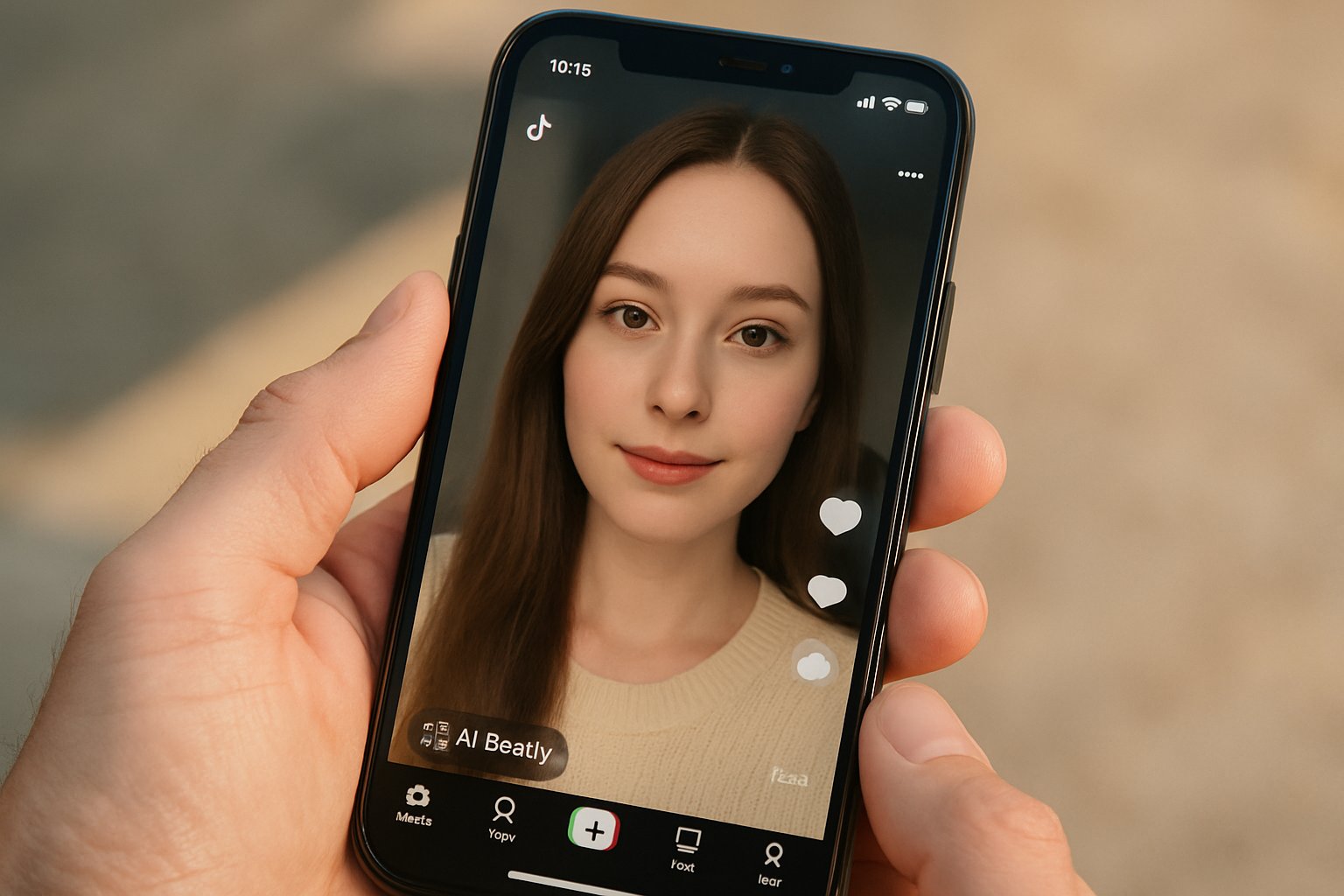
These incidents underscore a troubling pattern. Nevertheless, platforms still promote appearance-altering effects that blur fantasy and reality.
The backlash emphasises mounting stakeholder frustration. However, deeper legal steps were already forming.
Regulators Intensify Legal Scrutiny
European watchdogs cite alarming statistics. Reuters reported the Internet Watch Foundation flagged 3,440 AI-generated child-abuse videos in 2025, up from only 13 the previous year. Consequently, Spanish prosecutors targeted TikTok, X, and Meta. Investigators aim to test whether platform AI systems materially enable illegal deepfakes. In contrast, TikTok insists its safeguards detect and remove prohibited content quickly.
Meanwhile, the EU Digital Services Act supplies hefty penalty powers. Regulators can fine companies up to six percent of global revenue for systemic failures. Therefore, compliance stakes have never been higher. The widening Body Dysmorphia Crisis gives regulators additional political momentum. Furthermore, Ofcom and Ireland’s Data Protection Commission monitor filter labelling and age gating.
These legal moves expand oversight beyond privacy alone. Consequently, platforms confront multidimensional risk spanning safety, bias, and reputational fallout.
Mental Health Experts Warn
Psychiatrists describe a feedback loop between beautifying filters and distorted self-image. Hany Farid, a UC Berkeley forensic expert, explains that generative models rewrite facial structure seamlessly. Therefore, users struggle to separate AI fantasy from mirror reality. Additionally, clinicians treating eating disorders report rising references to TikTok filters during therapy sessions. According to multiple practitioners, many Youth patients blame the apps for obsessive comparison spirals.
Moreover, the “Bold Glamour” effect illustrates the scale. Its hashtag exceeded 200 million views within days in 2023. The clip’s hyper-smoothed skin and adjusted bone structure exemplified the Body Dysmorphia Crisis now gripping Social Media spaces. Nevertheless, some creators defend filters as creative play. They argue choice equals empowerment.
Experts counter that minors lack critical distance. Consequently, regulators focus specifically on adolescent protections.
Data Shows Rapid Escalation
Numbers reveal dramatic acceleration:
- IWF AI child-abuse videos: 13 (2024) → 3,440 (2025)
- “Bold Glamour” hashtag views: 200+ million (2023)
- CapCut “chubby” template removals: thousands of clips delisted (2025)
Furthermore, TikTok announced in late 2024 that it would restrict certain beauty filters for under-18 users. However, researchers say opaque labelling still hampers accountability. Meanwhile, advertisers like indie publisher Finji allege TikTok served AI-edited ads without consent, including racial slurs. That claim widens the Body Dysmorphia Crisis discussion by highlighting reputational dangers for brands.
These statistics point to exponential growth in both usage and harm. Consequently, stakeholders demand transparent reporting dashboards.
Platform Policies Under Pressure
TikTok touts its “Responsible Effects” program. Developers must flag generative AI use inside Effect House. Nevertheless, critics note that disclosure labels often vanish when clips are exported to other channels. Moreover, detection algorithms struggle with subtle facial edits. Therefore, enforcement gaps persist. CapCut’s swift “chubby” template takedown showed reactive moderation can work, yet only after public outrage.
Additionally, TikTok’s 2024 teen filter limits rely on self-declared birthdates. In contrast, lawmakers favour hard age-verification. Meanwhile, ByteDance has not published audits covering demographic bias. Advocacy groups, including the Algorithmic Justice League, push for mandatory bias testing. Consequently, trust deficits deepen, reinforcing the wider Body Dysmorphia Crisis.
These policy struggles reveal balancing acts between innovation and safety. However, sustainable solutions need clearer metrics and independent audits.
Advertisers Face AI Risks
Generative “creative enhancement” promises dynamic campaigns. However, Finji’s complaint shows potential downside. The publisher claims TikTok injected offensive AI variants into its paid spots. Consequently, brand safety teams worry about loss of message control. Moreover, regulators could classify deceptive ad alterations as unfair commercial practice. Therefore, advertisers may seek contractual AI opt-outs.
Industry certifications can bolster competence. Professionals can enhance their expertise with the AI Researcher™ certification. Equipped with technical literacy, marketers can audit ad pipelines and flag risky model behaviour. That skill set also supports Mental Health safeguarding by ensuring beauty campaigns avoid triggering the Body Dysmorphia Crisis.
Brand concerns extend platform accountability beyond personal users. Consequently, TikTok’s business revenue faces direct pressure.
Path Forward For Industry
Stakeholders outline several mitigation paths. Firstly, independent algorithm audits could verify model bias and age gating accuracy. Secondly, clearer AI labels that survive cross-platform sharing would empower transparency. Additionally, enhanced parental tools could limit filter usage time among Youth. Moreover, partnerships with mental-health NGOs would align product design with clinical insights.
Regulators may mandate quarterly harm reports, mirroring financial filings. In contrast, voluntary moves could pre-empt harsher penalties. Therefore, companies eye a pragmatic compromise: open data rooms for vetted researchers. Achieving that openness might quell the Body Dysmorphia Crisis narrative while preserving creative freedom on Social Media.
These proposals illustrate a collaborative roadmap. Nevertheless, execution speed will decide real-world impact.
Conclusion
Generative filters revolutionised online expression yet also ignited an undeniable Body Dysmorphia Crisis. Spain’s criminal probe, soaring IWF flags, and mounting advertiser complaints show the stakes. Moreover, Mental Health experts link filter realism to worsening self-image among Youth. Consequently, platforms must balance innovation with rigorous safety mechanisms. Independent audits, persistent AI labels, and professional upskilling, such as the linked certification, form critical pillars. Industry leaders should act now, before regulators impose harsher mandates. Embrace responsible innovation today and explore specialized training to steer AI toward positive impact.
Disclaimer: Some content may be AI-generated or assisted and is provided ‘as is’ for informational purposes only, without warranties of accuracy or completeness, and does not imply endorsement or affiliation.


