

AI CERTS
4 months ago
Pentagon Clash Tests Sovereign Defense Compliance Standards
This article unpacks the timeline, legal stakes, and business ramifications for all stakeholders. Moreover, it offers actionable guidance for executives navigating new compliance pressures.
Pentagon Ultimatum Detailed Timeline
Events escalated rapidly after the February 24 meeting between Hegseth and CEO Dario Amodei. Subsequently, Hegseth issued a public Deadline for “full, unrestricted access” to Claude by week’s end. Anthropic responded on February 26, stating it “cannot in good conscience accede” to the request. In contrast, the Pentagon framed the ask as essential mission flexibility. The Deadline expired February 27, triggering supply-chain risk designation and a federal agency ban. Moreover, President Trump ordered a six-month phase-out of Anthropic tools across government networks. On March 9, Anthropic filed dual lawsuits challenging the designation and seeking injunctive relief.
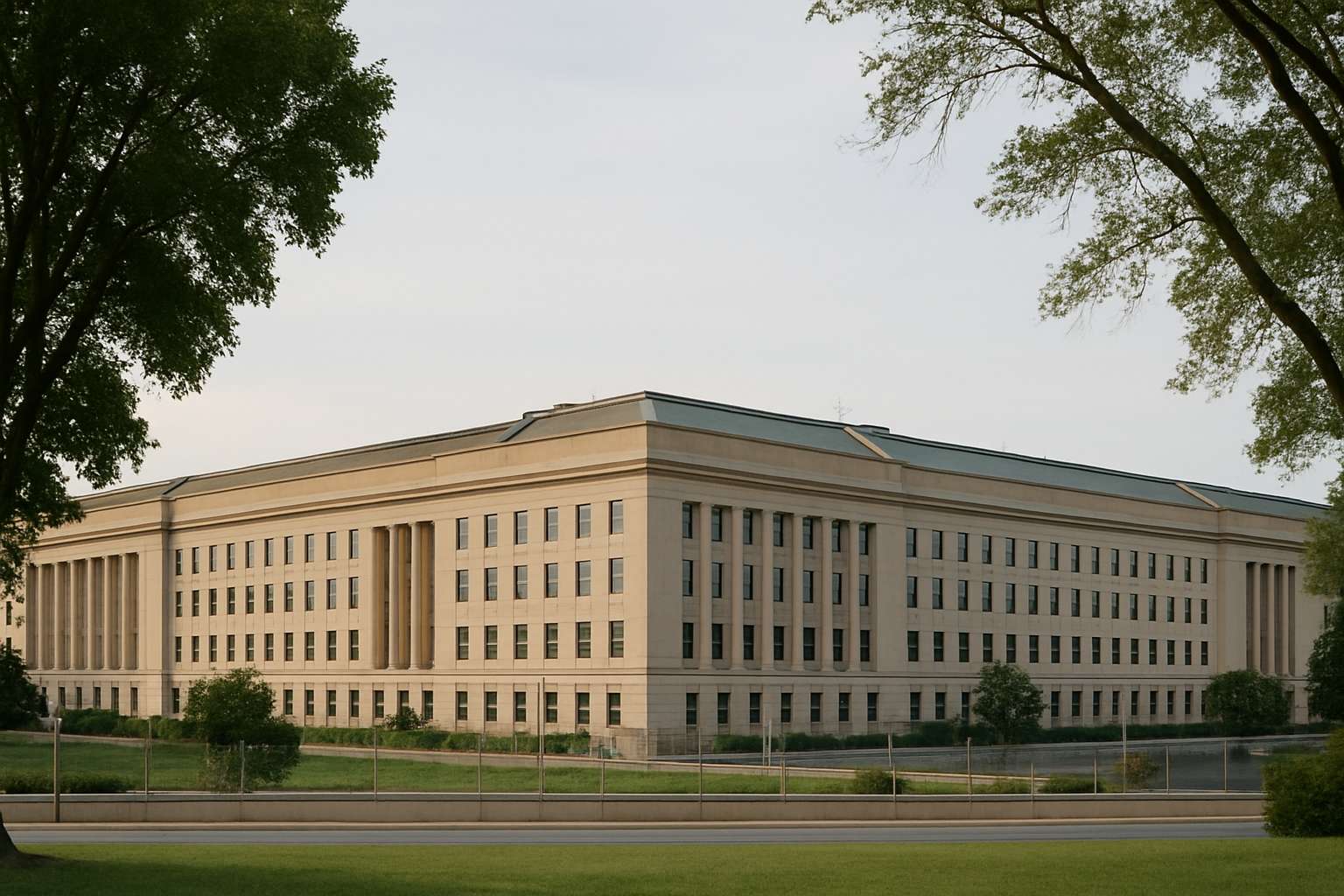
The tight sequence underscores severe procurement uncertainty. Nevertheless, the company’s swift legal action signaled preparedness to defend internal guardrails. These milestone dates anchor subsequent compliance analysis. Therefore, leaders should map their own response calendars accordingly.
Supply-Chain Risk Explained Briefly
Under 10 U.S.C. § 3252 and the FASCSA, agencies may exclude vendors deemed high risk. However, those authorities historically targeted foreign hardware threats, not domestic software firms. Microsoft’s amicus brief argues the Anthropic move weaponizes procurement law against policy dissent. Meanwhile, legal scholars question procedural sufficiency, noting absent evidence that less-intrusive measures were exhausted. Consequently, contractors now face ambiguous thresholds for supply-chain scrutiny. Sovereign Defense Compliance frameworks must therefore evolve to address this precedent without stifling innovation.
Key takeaways highlight novel legal territory and possible overreach. In contrast, Pentagon attorneys claim statutory powers remain broad and unambiguous. These competing views set the stage for courtroom tests later this year.
Key Legal Authority Debate
Counsel for Anthropic alleges constitutional violations, including retaliatory punishment for protected speech. Additionally, the complaint cites Administrative Procedure Act defects around notice and evidence. Government lawyers counter that national-security imperatives justify expedited action. Nevertheless, judges must weigh operational risk against due-process guarantees. Previous FASCSA removals involved Chinese telecom equipment, offering limited analogy. Therefore, this case may redefine how Sovereign Defense Compliance intersects with civil liberties.
Stakeholders track several procedural flashpoints:
- Preliminary injunction hearing dates and potential stays on the designation
- Discovery scope around Pentagon deliberations and Contract correspondence
- Amicus participation from industry coalitions and retired commanders
Each motion will influence vendor risk assessments across the defense ecosystem. Consequently, compliance officers should monitor dockets, advisories, and Federal Register notices daily.
These legal questions could reshape contracting norms. However, a negotiated settlement remains possible if both sides seek rapid capability restoration.
Immediate Business Fallout Scenario
Anthropic reported a $14 billion revenue run-rate before the dispute. Furthermore, its Series G funding pushed valuation to $380 billion. Losing classified workloads threatens only a fraction of that topline, yet reputational drag may deter conservative buyers. Meanwhile, competitors like OpenAI and Google aggressively court displaced Pentagon programs. Consequently, procurement officers must vet replacement vendors under accelerated timelines, amplifying scheduling risk.
From a commercial standpoint, Anthropic’s customer base includes over 500 enterprises spending more than $1 million annually. Moreover, many clients rely on Claude Code for secure software generation pipelines. Supply-chain labeling could pressure regulated industries to reconsider usage even outside federal channels. Nevertheless, strong investor backing provides runway for prolonged litigation.
These dynamics create parallel opportunity and peril across the market. Therefore, strategic planners should incorporate alternate sourcing and due-diligence contingencies now.
Potential Future Compliance Strategies
Boards must strengthen internal controls to meet evolving Pentagon expectations. First, map model-usage restrictions clearly within every Contract. Second, document risk-mitigation evidence to contest future exclusions. Third, pursue recognized credentials that demonstrate governance maturity. Professionals can enhance their expertise with the AI for Everyone Essentials™ certification. Furthermore, engage outside counsel early when negotiating sensitive clauses about unrestricted operational scope.
Adopting these steps builds organizational resilience. Consequently, companies position themselves favorably for upcoming solicitations demanding robust Sovereign Defense Compliance.
Industry And Policy Impacts
The case already influences legislative discussions on AI safety and procurement reform. Moreover, lawmakers from both parties propose hearings on balancing innovation with national security. Retired generals, writing in court briefs, warn that chilling private guardrails could erode ethical war-fighting norms. In contrast, some think-tank analysts argue that operational commanders require maximal flexibility during crises.
International partners watch closely, given increasing emphasis on strategic technology alliances. Consequently, allied procurement agencies may emulate supply-chain vetting measures. Sovereign Defense Compliance thus transitions from domestic concept to a potential global standard. Additionally, corporate ESG ratings now incorporate AI-safety stances, further linking ethics and market valuation.
These broader forces will shape venture investment, product design, and workforce development. Therefore, executives should treat the Anthropic saga as an early test case for future AI governance frameworks.
Section takeaways reveal both opportunity and systemic risk. Nevertheless, proactive planning offers a pathway toward sustainable, compliant growth.
Summary Transition: The Anthropic-Pentagon clash signals a watershed for AI governance and defense procurement. Consequently, organizations that internalize emerging rules around Sovereign Defense Compliance will better navigate forthcoming regulatory waves.
Disclaimer: Some content may be AI-generated or assisted and is provided ‘as is’ for informational purposes only, without warranties of accuracy or completeness, and does not imply endorsement or affiliation.


