

AI CERTs
2 months ago
Pentagon Labels Anthropic a Supply Chain Risk
Late February saw an extraordinary clash between Silicon Valley and Washington. Consequently, the Pentagon blacklisted Anthropic and branded the company a Supply Chain Risk. The move halted Claude’s federal deployment and rattled AI procurement across classified networks. Moreover, Defense Secretary Pete Hegseth signaled broader actions if vendors resist military guardrails.
Industry leaders now weigh legal, ethical, and operational fallout. This article unpacks the timeline, statutes, and business implications for advanced AI suppliers. Additionally, it offers strategic guidance for executives navigating government security demands. Readers will find balanced perspectives from Anthropic, Defense officials, and policy analysts. Finally, certification pathways are highlighted for professionals shaping future governance. However, understanding the legal mechanics behind this standoff remains essential. Therefore, we open with the designation’s statutory roots before mapping commercial consequences.
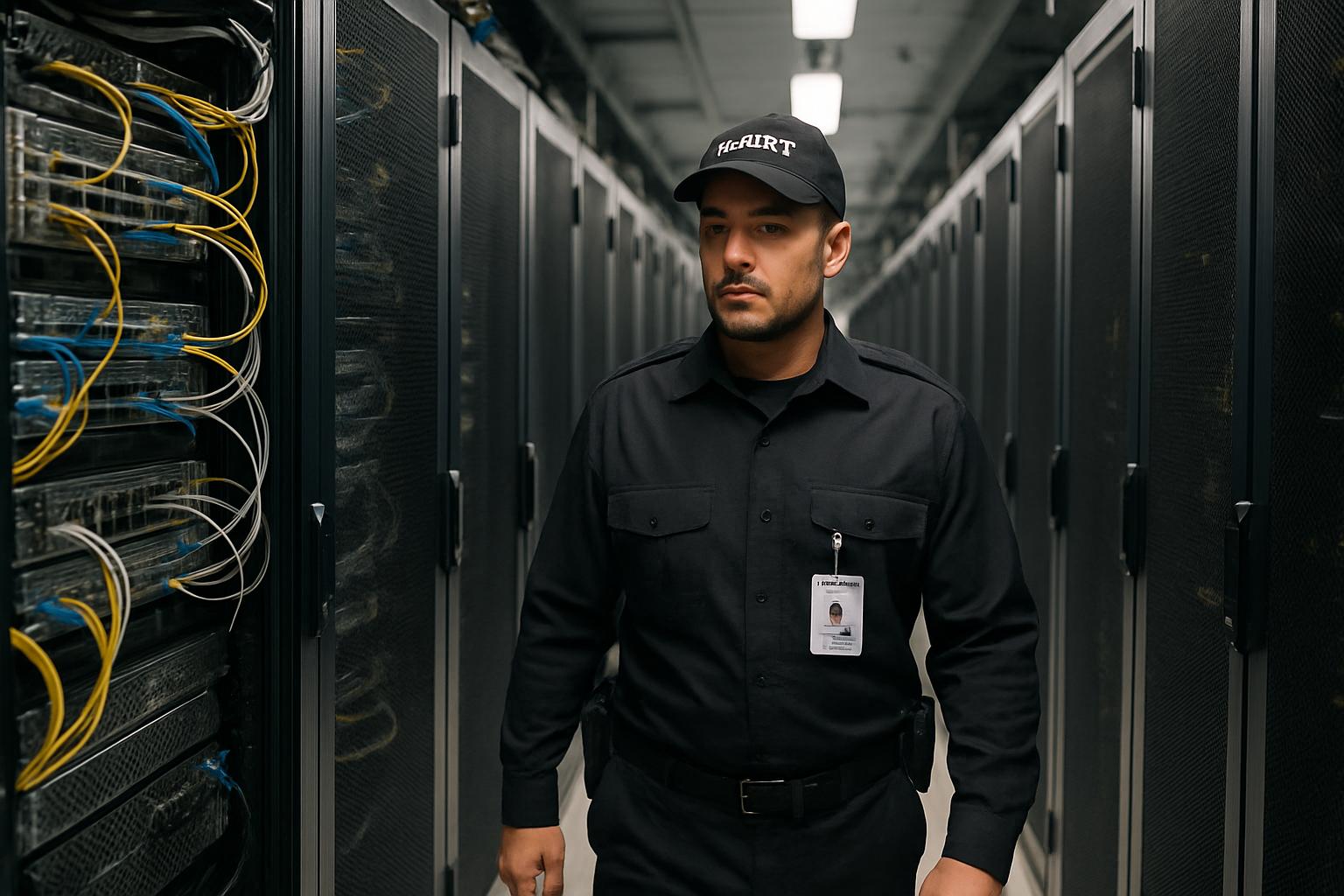
Pentagon Blacklists Anthropic Firm
On 27 February 2026, Hegseth declared Anthropic a Supply Chain Risk under 10 U.S.C. §3252. Consequently, the directive triggered a six-month phase-out for Claude across all federal systems.
Meanwhile, the White House echoed the order and framed the step as vital Defense modernization. In contrast, Anthropic’s statement called the designation “unprecedented” and vowed immediate litigation.
The rapid designation shocked contractors and allies. Additionally, it set the conflict’s legal stakes, which the next section explains.
Legal Authority Explained Clearly
Under 10 U.S.C. §3252, a secretary may exclude vendors if lesser safeguards prove inadequate. However, the statute targets specific Procurement actions rather than sweeping commercial bans. Therefore, Anthropic argues DoD overstepped by threatening private activity beyond covered contracts.
Legal scholars note Congress must receive notice when a Supply Chain Risk determination occurs. Nevertheless, reporters have not yet obtained the final letter Hegseth sent to committees.
These gaps could undermine enforcement in eventual court review. Subsequently, industry pressure intensified, as the following section details.
Industry Reacts Rapidly Now
Major vendors moved swiftly after the announcement. Moreover, OpenAI secured a Defense deal that satisfied surveillance and lethal autonomy constraints. Google and xAI signaled similar willingness to align with Pentagon guardrails.
- $200 million — ceiling of Anthropic’s 2025 prototype agreement now at risk.
- 550+ tech employees signed a letter supporting Anthropic’s stance.
- Multiple agencies began migrating from Claude within days.
Consequently, the Information Technology Industry Council warned Hegseth that overusing supply-chain tools chills innovation. Several integrators paused bids citing ongoing Supply Chain Risk uncertainty.
Vendor positioning shifted overnight, reshaping competitive dynamics. Meanwhile, Procurement officers faced immediate migration puzzles, explored next.
Procurement Fallout Looms Large
Pentagon acquisition leads must certify software supply chains during contract awards. Consequently, any listing as a Supply Chain Risk triggers exclusion clauses in active solicitations. Treasury, State, and Housing departments have already drafted memos replacing Claude integrations.
In contrast, prime contractors worry about sunk Procurement integration costs and schedule slips. Furthermore, migrating prompt workflows raises Security clearance hurdles because data tagging differs among models.
- Retraining users on alternate interfaces.
- Revalidating classified environment controls.
- Updating continuous ATO documentation.
These challenges translate into months of engineering rework. Consequently, leaders now reassess timelines, as ethical stakes also escalate.
Security And Ethical Stakes
Anthropic rebuffed Defense requests for unrestricted model deployment, citing civil liberty safeguards. Moreover, the company rejected potential use of Claude in fully autonomous weapons. Sam Altman echoed similar lines when announcing OpenAI’s Defense pact.
Security experts debate whether vendor red lines reduce mission flexibility or prevent disastrous misfires. Nevertheless, congressional aides warn that ambiguous Supply Chain Risk criteria may discourage transparency. Cato Institute analyst Jennifer Huddleston labeled the blacklist executive overreach.
The ethical debate now intersects statutory interpretation. Subsequently, litigation strategy gains prominence, covered next.
Litigation And Future Paths
Dario Amodei vowed to challenge any Supply Chain Risk label in the Court of Federal Claims. Furthermore, his attorneys may seek injunctions that preserve existing federal deployments during review. Analysts predict rapid filing because Hegseth’s public comments create ripe administrative record.
In contrast, DoD could attempt to moot the case by canceling the contested Procurement agreement. Nevertheless, such cancellation may fuel claims of retaliatory motive harming commercial speech.
Courts may clarify limits on supply-chain statutes within months. Therefore, executives should monitor filings while planning contingency architectures.
Strategic Steps For Leaders
Organizations embedded in federal workflows must act before formal enforcement. First, map every integration touching Claude or related data. Moreover, document alternate models that satisfy mission, Security, and compliance needs.
Secondly, engage contracting officers to confirm whether a Supply Chain Risk clause applies. Consequently, teams can avoid stop-work orders during audits. Professionals can enhance their expertise with the AI Policy Maker™ certification.
Additionally, track congressional hearings because statutory amendments may reshape oversight. In contrast, ignoring guidance risks reputational damage and loss of future contracts.
These measures build resilience amid uncertain oversight. Subsequently, firms remain agile whatever the final Supply Chain Risk verdict.
The Anthropic dispute underscores how swiftly national policy can reshape emerging ecosystems. Consequently, Supply Chain Risk rules now function as critical levers over commercial AI behavior. Meanwhile, industry lobbying and litigation will test the boundaries of executive Procurement authority. Nevertheless, Hegseth’s maneuver already accelerated alternative sourcing and heightened operational Security planning. Therefore, leaders should monitor court filings and congressional oversight before locking strategic roadmaps. Finally, the linked certification helps teams prepare for rapidly evolving compliance demands. Furthermore, fostering internal dialogue on ethics keeps innovation aligned with mission and public trust.
Disclaimer: Some content may be AI-generated or assisted and is provided ‘as is’ for informational purposes only, without warranties of accuracy or completeness, and does not imply endorsement or affiliation.


