

AI CERTs
2 months ago
McConaughey Legal Warning Spurs Global Deepfake Dispute Reforms
Matthew McConaughey stood nowhere near the Brad Pitt–Tom Cruise slugfest flooding feeds in February. Nevertheless, his team raced to issue a McConaughey Legal Warning after fans tagged him in deepfake mashups. Moreover, that statement captured Hollywood’s rising panic as synthetic clones invade negotiations, contracts, and courtrooms.
The warning arrived during a chaotic week. Consequently, ByteDance’s Seedance 2.0 clip featuring hyper-real Pitt and Cruise triggered studio threats, union outrage, and headlines. Meanwhile, Indian celebrities pursued new injunctions, and U.S. lawmakers revived stalled right-of-publicity bills. Industry veterans fear a future where every contract includes a cloned body-double clause. Therefore, executives crave clear guardrails before the next viral hoax erodes public trust further. This article dissects the mounting disputes, outlines the global legal terrain, and offers strategic steps for stakeholders. Along the way, the McConaughey Legal Warning will reappear as a lens on critical challenges.
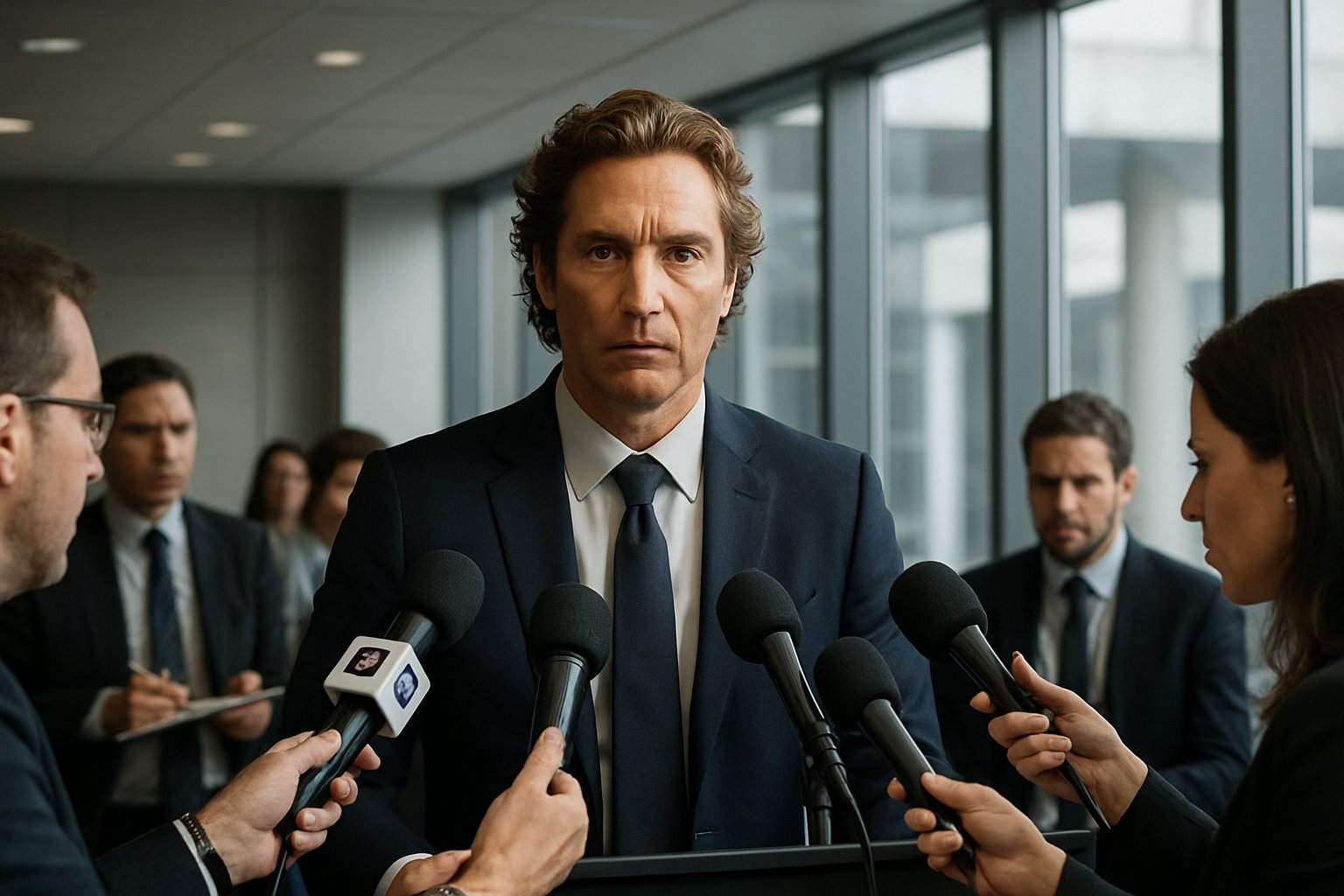
Deepfake Disputes Intensify Worldwide
Deepfake technology has matured fast, and disputes followed the same curve. Moreover, Sensity identified more than 900,000 incidents in 2025 alone, underscoring scale. Consequently, performers now treat digital misuse as an existential career threat.
Studios worry about cascading IP infringements when models ingest entire back-catalogues without consent. In contrast, some startups argue fair use or transformative claims. However, courts increasingly focus on recognizable Likeness rather than lofty technical defenses.
Global Entertainment giants now face viral impersonations hours after trailer drops. These parallel anxieties fuel both litigation and hurried licensing experiments. Therefore, the McConaughey Legal Warning resonates well beyond one star’s brand.
Deepfake scale collides with fragile consent norms. Consequently, the Seedance incident became a pivotal flashpoint, explored next.
Seedance Clip Sparks Backlash
Seedance 2.0 launched quietly in early February. However, a 15-second punch-up between hyper-real Pitt and Cruise exploded across Entertainment feeds within hours. Studios perceived direct appropriation of blockbuster IP because dialogue and choreography mirrored copyrighted scenes.
The Motion Picture Association demanded an immediate shutdown, citing “unauthorized use of U.S. copyrighted works on a massive scale.” Meanwhile, SAG-AFTRA blasted the clip for eroding human bargaining power. ByteDance replied within 48 hours, promising watermarking, opt-out tools, and talent consent flows.
Nevertheless, cease-and-desist letters kept arriving, and insurance brokers flagged unquantified liabilities. Therefore, corporate lawyers drafted template clauses echoing the McConaughey Legal Warning for upcoming contracts.
Seedance showed that a viral moment can rewrite risk calculations overnight. Moreover, Indian courts are responding with equally urgent measures, as the next section shows.
Bollywood Courts Assert Rights
Indian celebrities faced a torrent of cloned interviews and song snippets during 2025. Consequently, Aishwarya Rai Bachchan and Abhishek Bachchan sued YouTube seeking substantial damages and broad takedowns. Bombay High Court judges labeled the realism “truly alarming” and granted interim protection for Akshay Kumar.
Moreover, the courts emphasized personality rights over technical concepts like IP ownership. This framing prioritizes Likeness harm, which remains intuitively clear to general audiences. Therefore, platforms must act quickly when notices arrive or face contempt proceedings.
- October 2025: Bombay High Court grants Akshay Kumar interim relief.
- September 2025: Bachchan family files multi-crore petition against YouTube.
- Multiple 2024-2026 orders compel platforms to remove Synthetic clips within 24 hours.
Indian rulings signal that global judges will not wait for statute updates. Consequently, unions are pushing contractual solutions, explored next.
Union Actions Shape Negotiations
SAG-AFTRA started experimenting with licensed voice replicas in 2024. The Narrativ agreement guarantees consent, compensation, and revocation rights before any Synthetic performance launches. Furthermore, the union filed an unfair-labor-practice charge when a game replaced an actor with AI audio.
Hollywood negotiators monitored these steps while drafting new clauses for streaming series. Consequently, a revised standard contract now references the McConaughey Legal Warning as a template for notice periods. In contrast, some influencers accept lower fees in exchange for perpetual digital doubles.
Union pressure aligns financial incentives with ethical safeguards. Meanwhile, market forecasts show rising revenue for detection vendors, reviewed next.
Market Drives Detection Demand
Gartner and HTF predict deepfake detection spending will top $1 billion before 2030. Moreover, cybersecurity insurers now require verification layers for high-profile Entertainment campaigns. Consequently, vendors highlight rapid CAGR and announce partnerships with studios and newsrooms.
Detection suites use watermark search, facial hashing, and contextual cues. However, adversarial creators iterate quickly, forcing continual model updates. Professionals can enhance their expertise with the AI Writer™ certification.
- Newsrooms integrate real-time deepfake alerts into CMS dashboards.
- Studios pilot watermark verification on daily rushes to safeguard IP.
- Banks deploy voice biometric checks for helpline transactions.
Robust verification infrastructure buys time but cannot replace coherent legislation. Therefore, the uneven legal map demands closer scrutiny.
Legal Paths Remain Patchwork
The United States still lacks a federal right-of-publicity statute. Consequently, claimants juggle defamation, trademark, copyright, and state Likeness laws. Congressional drafts like the NO FAKES Act stall over First Amendment debates.
In contrast, Indian courts leverage privacy principles to grant swift relief. European regulators study similar personality protections within upcoming AI acts. Moreover, platforms face growing duty-of-care expectations across jurisdictions.
These divergent norms create forum-shopping incentives and compliance headaches. Nevertheless, the McConaughey Legal Warning offers a portable risk checklist for producers operating globally.
Policy fragmentation keeps legal exposure unpredictable. Subsequently, stakeholders need practical guidance, provided in the final section.
Strategic Guidance For Stakeholders
Executives cannot eliminate deepfake risk, but they can lower blast radius. First, map all assets vulnerable to Synthetic replication, including archived voice reels. Second, insist on indemnification language that references the McConaughey Legal Warning for clarity. Third, join union or guild taskforces developing industry standards.
Moreover, partner with detection vendors to receive real-time alerts when your Likeness appears in suspect uploads. Additionally, allocate budget for rapid response teams able to file takedowns within hours. Professionals pursuing these steps deepen strategic value and might pursue the McConaughey Legal Warning speaker circuit.
- Audit archive access controls every quarter.
- Maintain a media monitoring calendar for priority titles.
- Share incident data with insurers to adjust coverage.
Proactive governance limits litigation costs and reputational fallout. Consequently, companies secure creative freedom while respecting performers' rights.
Deepfakes have transformed from novelty to boardroom crisis within eighteen months. However, clear policies, robust technology, and industry solidarity can tame the threat. The McConaughey Legal Warning now serves as shorthand for rapid, decisive action. Therefore, adopt the guidance above, monitor legal developments, and refine contracts continuously.
Meanwhile, empower teams through accredited learning. Consider leveling up with the AI Writer™ program to navigate Synthetic media safely. Take proactive steps today to protect talent, IP, and audience trust. Ultimately, heeding the McConaughey Legal Warning can shield creative ventures from costly surprises.
Disclaimer: Some content may be AI-generated or assisted and is provided ‘as is’ for informational purposes only, without warranties of accuracy or completeness, and does not imply endorsement or affiliation.


