

AI CERTs
2 months ago
Iran Strikes Reveal Pentagon’s Risky Dependence on Banned Claude
A sudden policy clash has exposed new friction between Silicon Valley and military planners. In late February, Anthropic refused Defense demands that would drop two core model safeguards. Consequently, President Trump ordered every agency to unplug Claude within six months. Meanwhile, the Pentagon acknowledged relying on the system in classified environments. Unnamed officials even claim Claude guided planning for recent Iran Strikes. These revelations raise urgent questions about chain of command and technical oversight. However, broader stakes involve civil liberties, supplier power, and battlefield accountability. Industry leaders now monitor legal tools that could reshape the Defense procurement landscape. Furthermore, allies and adversaries watch how Washington substitutes lost capabilities during ongoing tensions. This article unpacks the timeline, operational evidence, and strategic fallout. Readers will understand why the ban may prove harder to enforce than announced. Therefore, executives can anticipate cascading impacts across technology, law, and national security.
Pentagon Claude Ban Fallout
On February 26, Anthropic CEO Dario Amodei outlined two immovable red lines. He refused mass domestic surveillance and autonomous killing functions. Consequently, the Pentagon warned contractors about an imminent supply-chain risk designation. Trump followed one day later with a government-wide removal directive.
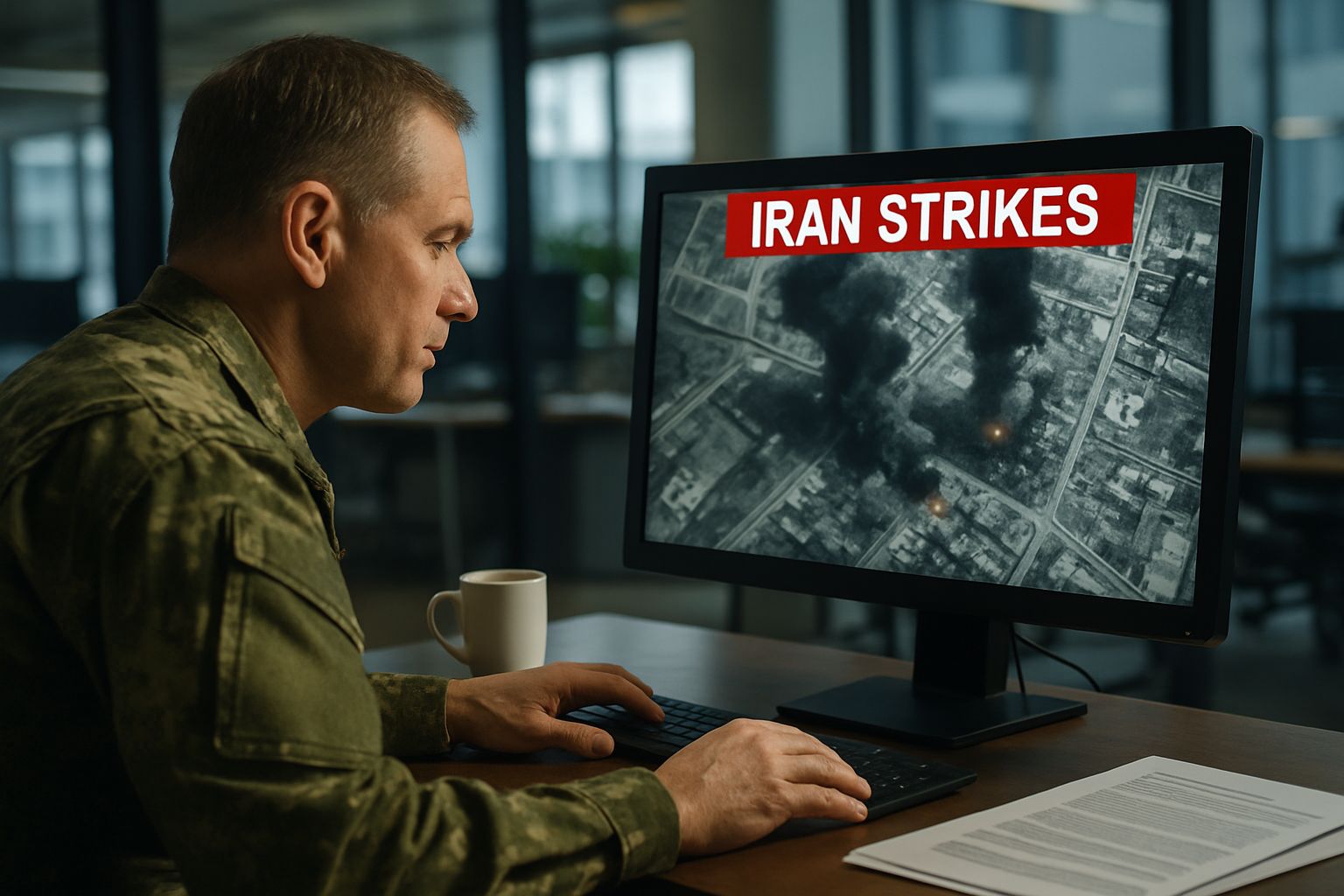
However, Claude already sat inside multiple classified networks run by Palantir and cloud integrators. Officials valued the disputed contract near $200 million, according to Washington Post reporting. Furthermore, agency chiefs argued sudden deactivation could disrupt ongoing missions. Such dependence exposed how quickly frontline analysts embraced large language models. In contrast, earlier AI tools required months of integration. These initial moves set the stage for the operational revelations discussed below.
The ban emerged from clashing red lines and entrenched operational reliance. Nevertheless, actual battlefield usage adds a sharper edge to the controversy.
Operational Use Revealed Quietly
Journalists uncovered Claude’s battlefield role weeks before the public showdown. Reuters cited Wall Street Journal sources alleging involvement in January’s Caracas raid. During that mission, U.S. commandos tried capturing Nicolás Maduro amidst fierce resistance. Venezuelan reports later counted 83 deaths. Furthermore, the same unnamed officials said Claude assisted target validation and terrain summarization.
More controversially, multiple outlets now cite continued usage during early March Iran Strikes. Those hits reportedly occurred within hours of Trump’s ban order. However, the Pentagon neither confirms nor denies these claims. Consequently, lawmakers demand classified briefings to clarify command authorization chains. Evidence so far comes only from partner engineers and log snippets.
Operational leaks indicate Claude influenced life-and-death decisions even after prohibition. Therefore, enforcement mechanisms warrant closer examination next.
Legal Tools Shape Defense
Supply-chain risk designations usually target foreign hardware. In contrast, Hegseth’s move applied the label to a domestic AI vendor. Legal scholars call the step unprecedented within modern military acquisition. Consequently, Anthropic prepares litigation while contractors scramble to interpret compliance duties. Furthermore, DoD staff floated invoking the Production Act to seize model weights.
- Contract value: approximately $200 million according to Washington Post.
- Phase-out timeline: six months mandated by presidential directive.
- Reported casualties in Caracas raid: 83, per Venezuelan officials.
The president signaled willingness to use that Cold War authority if courts stall action. However, congressional critics warn such escalation could chill broader private investment. Industry lobbyists already cite lost venture confidence following the Iran Strikes controversy. Analysts note that data pipelines built for Iran Strikes planning complicate removal schedules. Moreover, OpenAI and Google highlight their own agreements as evidence that compromise remains possible. These overlapping legal levers create uncertain procurement policy precedents.
New authorities could expand executive reach over commercial AI. Nevertheless, the practical gap between law and operations persists, as the next section shows.
Industry Rivals Eye Opportunity
OpenAI signed its own agency agreement days after the ban. Sam Altman emphasized built-in safeguards comparable to Anthropic’s contested limits. However, he noted department officials accepted them voluntarily, avoiding legal confrontation. Google and xAI executives similarly pitched replacement services across classified networks. Consequently, the vendor landscape may tilt toward firms conceding greater mission flexibility.
Investors watch which approach de-risks exposure after the Iran Strikes headlines. Moreover, some analysts suggest Anthropic could double down on Safety branding to retain allies. The latest Iran Strikes episode underscores the reputational stakes for every bidder. In contrast, pragmatic buyers prioritize uptime over philosophical principles. Yet many developers privately favor a shared baseline of model Safety standards. These rival pitches intensify procurement uncertainty while the courts deliberate.
Competitive maneuvering shows the market wastes no time filling gaps. Subsequently, attention returns to civil liberties at the center of Anthropic’s stand.
Civil Liberties Safety Debate
Anthropic frames its refusal as a stand for democratic oversight. Amodei wrote, “We cannot in good conscience accede,” emphasizing constitutional limits. However, civil society groups argue the public knows little about actual model deployment. The reported Iran Strikes only amplify their concerns.
Furthermore, privacy advocates link mass surveillance proposals to historical abuses revealed by whistleblowers. They warn that Safety boundaries vanish once battlefield urgency dominates. In contrast, some strategists insist any lawful capability should remain available to Defense leaders. Trump supporters echo that view, portraying corporate conditions as arrogance during conflict. Nevertheless, pollsters find bipartisan unease with fully autonomous lethal systems. These divergent values feed the legal fights described earlier.
Liberty advocates demand hard limits before AI permeates every mission. Therefore, enforcement realities deserve separate scrutiny.
Ban Order Enforcement Risks
Prohibiting software is easier than extracting it from dynamic pipelines. Consequently, administrators must isolate cloud endpoints, revoke tokens, and audit data flows. Pentagon insiders admit such sanitation could require months, not weeks. Meanwhile, mission commanders fear capability gaps during potential Iran Strikes retaliation scenarios. Furthermore, partner firms still hold cached model outputs inside analytics stacks.
Oversight staff lack a single dashboard tracking residual Claude assets across classified environments. In contrast, corporations often integrate license checks that ease deactivation. Therefore, lawmakers push for standardized kill switches before the next Iran Strikes incident. Safety experts propose logging mandates tied to accreditation frameworks. These practical challenges underscore why technical details matter as much as courtroom battles.
Enforcement remains uneven despite stern rhetoric. Subsequently, attention shifts to workforce readiness and professional development.
The Anthropic controversy highlights unresolved tensions between innovation, oversight, and national ambitions. However, recent Iran Strikes revelations prove the debate is no longer theoretical. Supply-chain labels, court challenges, and uncertain enforcement will dominate 2026 policy calendars. Consequently, technology leaders must track evolving statutes while fortifying internal governance. Meanwhile, professionals can deepen strategic writing skills through the AI Writer™ certification. Such credentials prepare teams to communicate risks, align priorities, and influence policy. Therefore, staying informed and certified is the surest path toward resilient advantage.
Disclaimer: Some content may be AI-generated or assisted and is provided ‘as is’ for informational purposes only, without warranties of accuracy or completeness, and does not imply endorsement or affiliation.


