

AI CERTs
5 months ago
AI Infrastructure Demand Tightens Global Chip Supply
A new scarcity shadows the semiconductor industry. After pandemic disruptions eased, AI Infrastructure Demand unleashed a selective crunch. GPUs, high-bandwidth memory, and advanced packaging now sit on allocation spreadsheets, not warehouse shelves. Consequently, hyperscalers pre-pay for capacity, while automakers track every back-order notice. Gartner still celebrated record 2025 sales, yet analysts quoted by the WSJ warned of growing imbalances. Therefore, understanding the mechanics behind this squeeze is vital for technology leaders.
AI Infrastructure Demand Surge
Explosive model sizes boosted data-center power budgets. Moreover, each new language model requires more GPUs and stacked memory. TrendForce notes that HBM bits shipped rose double digits in 2025, while chips for consumer gadgets plateaued. Consequently, suppliers shifted capacity toward higher-margin accelerators. These moves deepened shortages elsewhere.
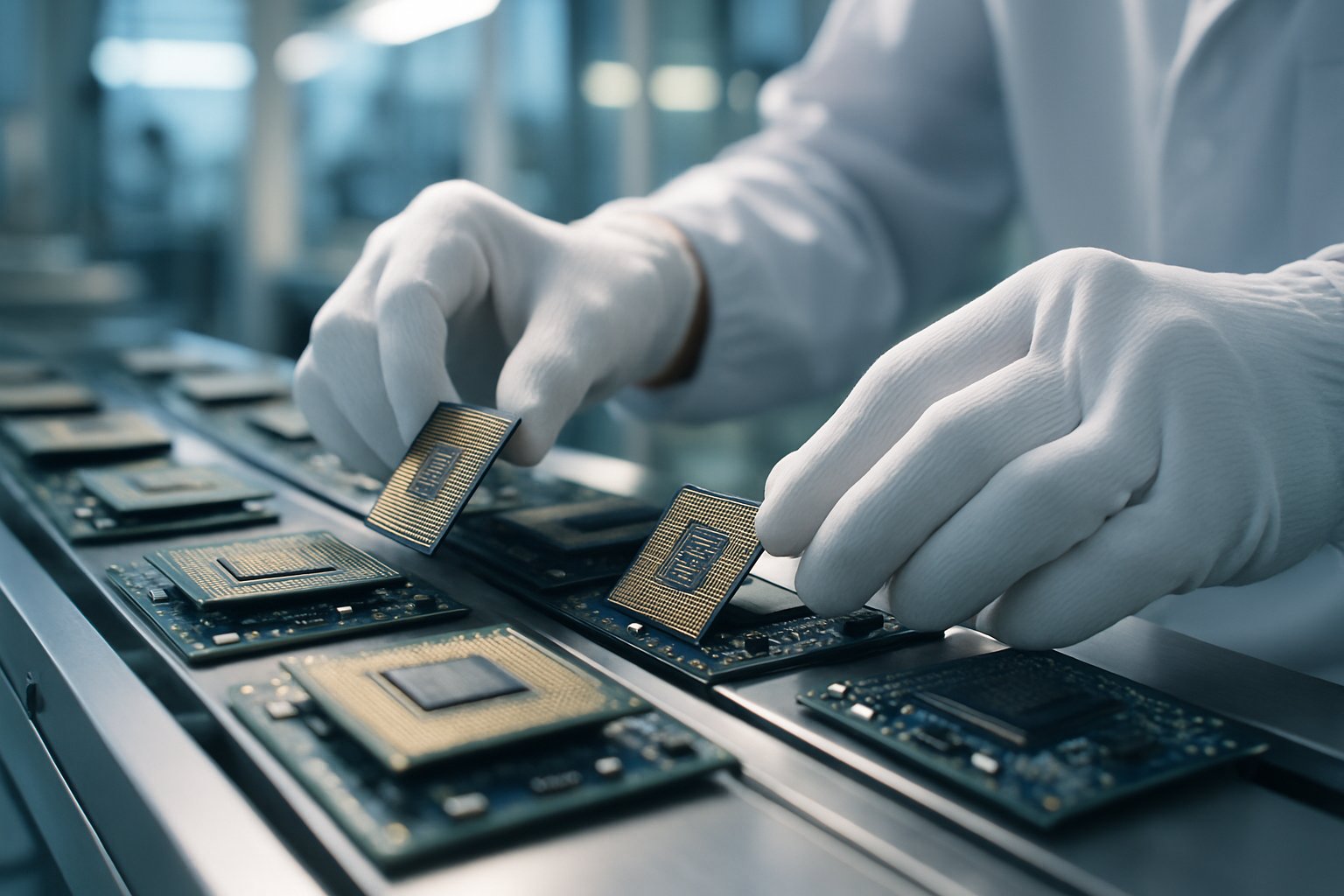
The selective crunch shows how quickly AI Infrastructure Demand can redirect global production lines. However, the story extends beyond one product tier. These dynamics set the stage for our next focus.
Surging Data Center Appetite
Hyperscalers, including Google and AWS, negotiated multi-year allotments. Subsequently, smaller buyers found allocation windows shrinking. The WSJ reported February contracts that reserved most HBM output through 2027. Furthermore, C.C. Wei confirmed TSMC’s advanced nodes are fully booked. Such booking patterns leave automotive and industrial sectors exposed.
Demis Hassabis labeled memory the “choke point” for generative workloads. In contrast, legacy microcontrollers remain available, yet they lack the performance AI workloads require. These realities underscore the pull exerted by AI Infrastructure Demand. The appetite now influences geography, as we examine next.
Re-shoring Reshapes Global Capacity
Policy makers answered public anxiety with massive incentives. The CHIPS Act unlocked $52.7 billion, and TSMC pledged $165 billion for U.S. fabs. Meanwhile, Samsung and Micron announced comparable outlays. Nevertheless, factories need equipment, water, and skilled labor. ASML can deliver only so many EUV lithography tools annually.
McKinsey estimates one trillion dollars in planned semiconductor capex through 2030. However, construction timelines—often five years—mean relief lags behind supply headlines. Therefore, today’s capacity scramble persists even while cranes rise in Arizona and Texas.
These reshoring moves broaden geopolitical control. Yet they do not automatically balance hardware flows across sectors. That imbalance drives the allocation clashes detailed ahead.
Allocation Tensions Across Industries
Foundries and memory makers favor higher-margin contracts. Consequently, automakers pay premiums or pause lines. S&P Global counted forty automotive shutdowns linked to semiconductor gaps in late 2025. Furthermore, Nexperia’s legal troubles tightened diode supply just as electric vehicle demand climbed.
In contrast, cloud providers continue expanding clusters. Jensen Huang even previewed exclusive HBM4 access for NVIDIA boards. Such priority treatment reflects sheer volume plus strategic alignment with AI Infrastructure Demand. Industries outside that orbit struggle for predictable deliveries.
These clashes highlight structural exposure. However, record investments promise eventual relief, as the next section explains.
Investment Wave, Lingering Gaps
Capital intensity defines semiconductors. Moreover, memory vendors have green-lit new mega-fabs in Idaho, Korea, and Hiroshima. Gartner projects HBM revenue to triple by 2027, assuming on-time ramps. Nevertheless, packaging remains a bottleneck. Fan-out lines require long lead substrates, and substrate supply is finite.
Therefore, analysts caution against assuming a quick fix. McKinsey’s April 2025 survey found 65 percent of downstream firms still anticipate constraints through 2028. Consequently, managers must blend strategic buffering, diversified sourcing, and talent development. Professionals can enhance their expertise with the AI Data Robotics™ certification.
These planned investments may ease pressure. Yet firms still need near-term tactics, which we explore next.
Projections And Strategic Moves
Decision makers monitor several leading indicators:
- Weekly HBM spot prices from TrendForce and WSJ market trackers
- TSMC Arizona construction milestones and tool deliveries
- Commerce CHIPS disbursement pace versus awards announced
- Legal rulings affecting Nexperia and other niche hardware suppliers
Additionally, executives run scenario analyses that adjust order timing and technology roadmaps. Consequently, many over-order to hedge. Gartner warns this practice can hide real demand and prolong volatility. Nevertheless, such strategies feel rational when AI Infrastructure Demand outruns realistic build schedules.
Key projections suggest global semiconductor sales could near one trillion dollars in 2026. However, the distribution of that revenue matters more than the headline sum. Those nuances lead us to concluding insights.
Conclusion And Next Steps
Global semiconductors face a dual reality. Record revenues coincide with selective scarcity because AI Infrastructure Demand accelerates faster than fabrication timelines. Moreover, re-shoring and historic investments will not mature in time to calm 2026 markets fully. Consequently, allocation tensions persist, especially for chips outside premium data-center lanes.
Nevertheless, informed leaders can act. Diversified procurement, close supplier collaboration, and certified talent mitigate risk. Furthermore, staying alert to policy shifts and weekly pricing signals offers early warnings. Therefore, explore advanced learning paths and gain an edge with the AI Data Robotics™ certification today.
Disclaimer: Some content may be AI-generated or assisted and is provided ‘as is’ for informational purposes only, without warranties of accuracy or completeness, and does not imply endorsement or affiliation.


