

AI CERTS
3 months ago
Tech Trade Boom: U.S. Taiwan Imports Reach Record $201B
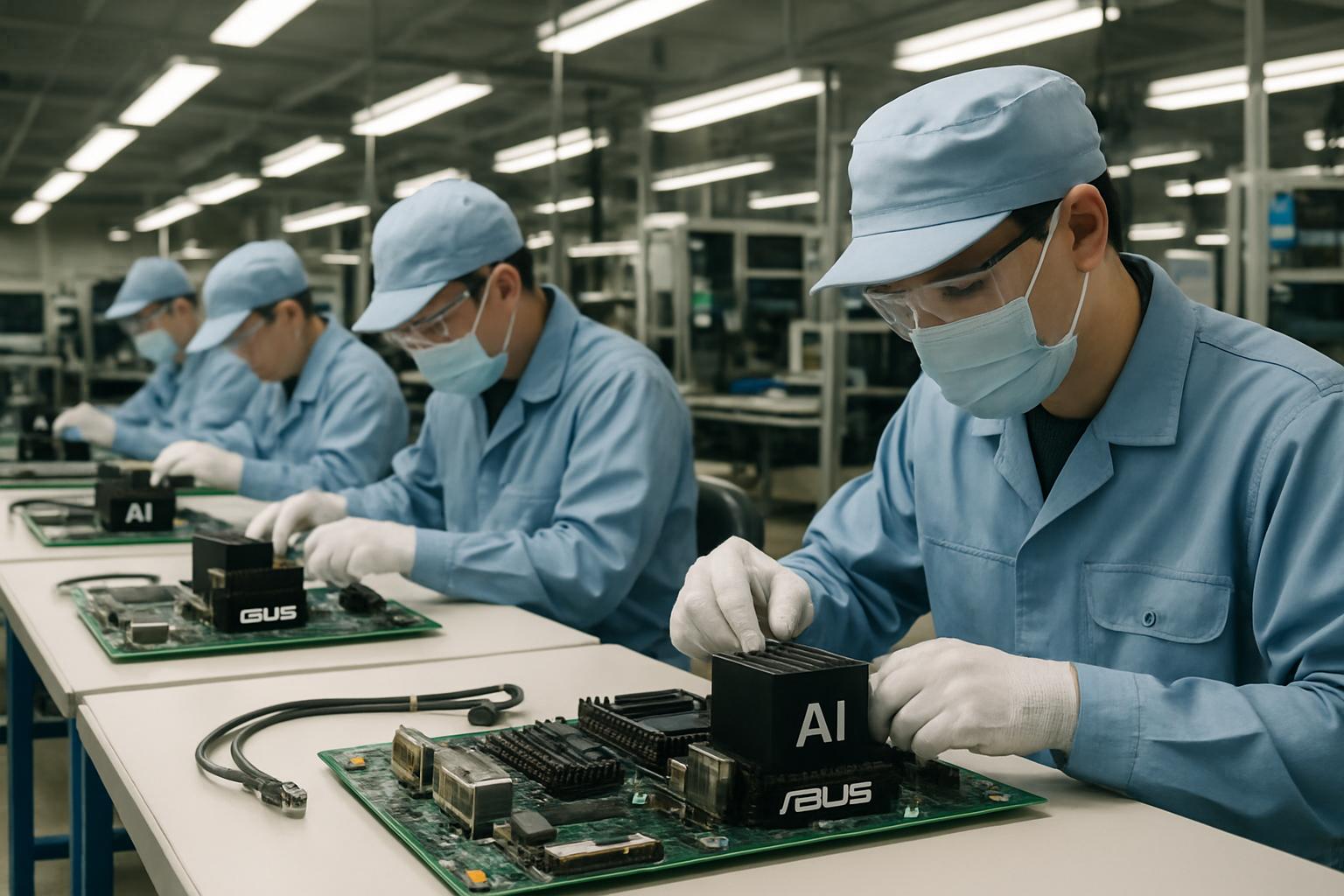
In contrast, imports from China lagged during the month. Consequently, some observers called the swing a US Taiwan China Import Shift. Businesses appear to be front-loading sensitive components before fresh tariff rounds.
Taiwan Import Records Surge
BEA tables reveal unprecedented growth year over year. Additionally, 2025 imports jumped 73% compared with 2024’s $116.3 billion baseline.
- Annual total: $201.4 billion, according to BEA.
- December flow: $24.1 billion, seasonally adjusted.
- Goods deficit: $146.8 billion for 2025.
- Capital goods share: computers and accessories led gains.
These figures confirm a Tech Trade Boom accelerating late in the year. However, month-to-month volatility suggests temporary factors remain.
Record values underline Taiwan’s export momentum. Consequently, analysts will scrutinize whether 2026 sustains the pace.
Meanwhile, focus shifts toward the engines driving this surge.
AI Hardware Demand Driver
Cloud giants have expanded data-center footprints aggressively. Moreover, generative AI models need dense server racks and specialized chips.
Taiwanese suppliers dominate advanced fabrication processes. Consequently, shipments of processors, high-bandwidth memory, and networking boards flowed toward U.S. assembly hubs.
Citigroup economist Veronica Clark noted strong imports often precede domestic investment. Therefore, she views the Tech Trade Boom as a capital formation signal.
- GPUs produced on TSMC’s leading nodes
- High-bandwidth memory modules for accelerators
- Assembled servers shipped by Taiwanese OEMs
AI infrastructure needs explain most volume growth. Nevertheless, policy incentives also played a role.
Consequently, tariff dynamics deserve close examination next.
Tariff Policy Trade Impact
Washington and Taipei concluded a limited tariff accord last summer. Additionally, reciprocal cuts on select components reached 15%.
Many firms accelerated orders before enforcement dates. Such front-loading amplified December’s tally, according to logistics data.
Peterson Institute scholar Chad Bown argued tariffs rarely shrink deficits. In contrast, they often rearrange sourcing patterns without altering demand.
Businesses chasing the Tech Trade Boom lobbied for exclusions on essential server parts.
Tariff shifts magnified short-term flows. However, structural tech needs remain the dominant force.
Attention now turns to expert debate over sustainability.
Expert Opinions Diverge Widely
Economists split on whether the Tech Trade Boom can persist. Moreover, supply constraints at TSMC may limit further escalation.
Taiwan’s finance ministry expects double-digit export growth to America this year. The US Taiwan China Import Shift complicates forecasting, nevertheless officials caution that comparison bases now look elevated.
U.S. policymakers welcome chip inflows that feed domestic factories under construction. Consequently, Commerce leaders tout future onshoring benefits.
Stakeholders agree demand remains robust. However, opinions differ on deficit implications.
Those implications tie directly to strategic risk discussions.
Strategic Supply Chain Concerns
Heavy reliance on Taiwanese fabs raises geopolitical alarms. Moreover, advanced nodes cluster within a narrow geography vulnerable to disruption.
East Asia Forum analysts urge diversification into U.S. and Japanese facilities. Consequently, incentives under the CHIPS Act accelerate capacity moves.
The Tech Trade Boom therefore coexists with longer term reshoring programs. Nevertheless, experts warn timelines for cutting-edge plants stretch beyond 2028.
Supply chain resilience remains unfinished work. In contrast, present demand cannot wait.
Professionals must therefore seize immediate opportunities.
Opportunities For Tech Professionals
Rapid import growth translates into booming project pipelines. Additionally, companies need specialists who can align trade, supply, and AI architecture.
Professionals can enhance their expertise with the AI+ Healthcare Specialist™ certification. Moreover, cross-disciplinary credentials improve strategic decision making.
- Trade compliance analysis
- AI data-center procurement
- Supply resilience planning
- Geopolitical risk monitoring
The Tech Trade Boom continues to reshape hiring criteria. Consequently, talent with hardware, policy, and analytics fluency commands premium salaries.
Certification backed expertise accelerates career progression. Therefore, training investment pays dividends quickly.
Finally, stakeholders weigh projections for the coming year.
Outlook And Next Steps
Most forecasters expect another solid import year, yet slower growth. Moreover, quarterly comparisons will normalize after the December spike.
Companies still plan aggressive AI rollouts. Consequently, capital goods orders should remain elevated through mid-2026.
US Taiwan China Import Shift narratives will persist as policymakers debate deficit optics. Nevertheless, data watchers recommend focusing on product categories over country totals.
Projected moderation masks sustained high volumes. Therefore, strategic planning should continue assuming robust hardware demand.
The concluding overview synthesizes these insights.
The Tech Trade Boom has redrawn America’s supply ledger with Taiwan. Furthermore, annual imports crossed $200 billion driven by AI capital goods. Expert commentary attributes momentum to both structural demand and tactical tariff moves. Nevertheless, questions about deficit politics and resilience linger.
Consequently, enterprises must monitor policy signals, production capacity, and shipping data. Professionals should upskill through certifications and seize roles shaping resilient AI supply chains. Moreover, subscribing to our newsletter delivers timely import intelligence. Weekly briefings unpack US Taiwan China Import Shift developments and forecast inventory cycles. Explore our resources and gain an edge today.
Disclaimer: Some content may be AI-generated or assisted and is provided ‘as is’ for informational purposes only, without warranties of accuracy or completeness, and does not imply endorsement or affiliation.


