

AI CERTs
6 months ago
TCL Bets Big on Microsoft AI Smart Terminals Edge Breakthrough
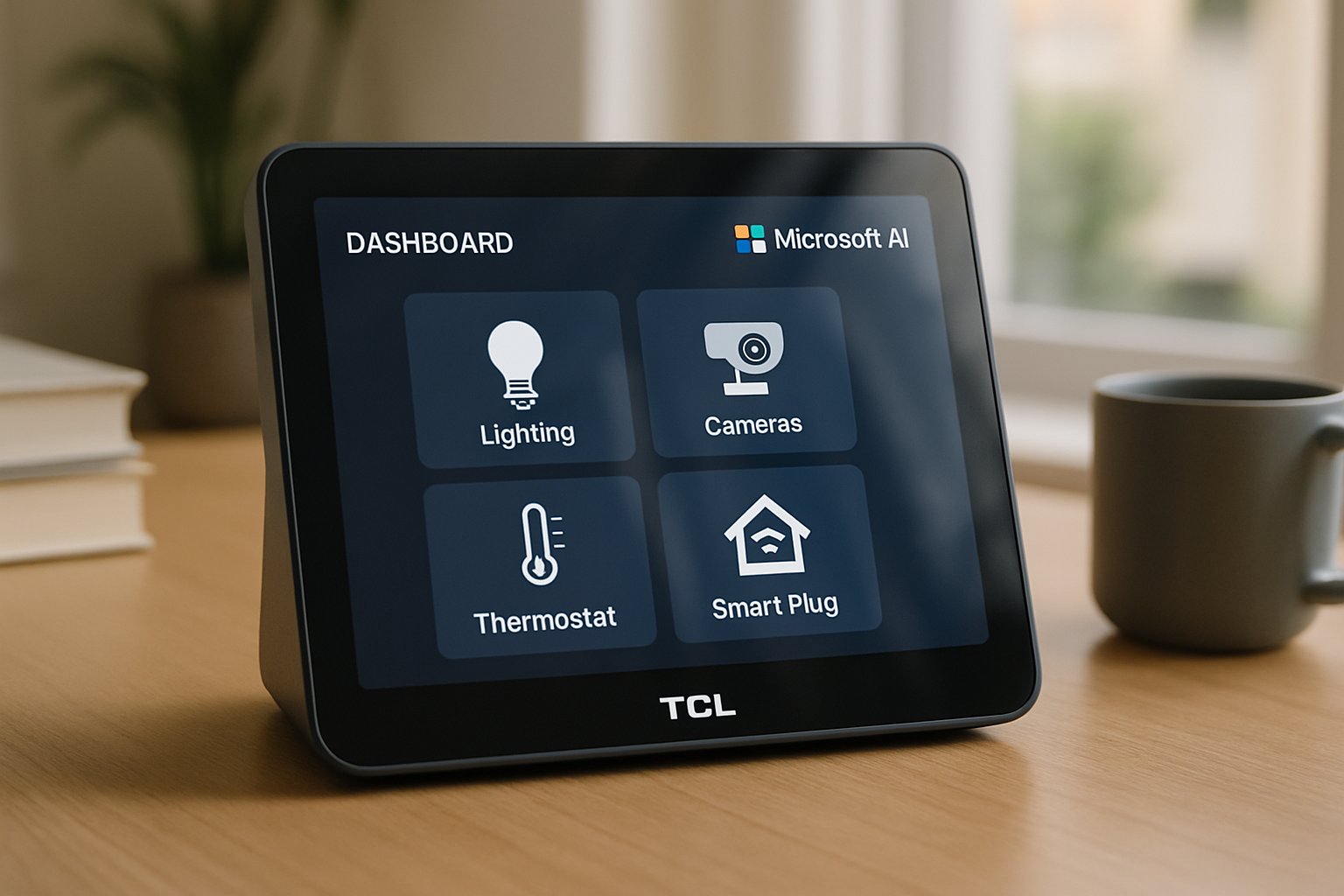
CES 2026 overflowed with flashy gadgets, yet one announcement stole the enterprise conversation. TCL revealed its cross-device platform branded Microsoft AI Smart Terminals. These devices promise real-time translation, rich content generation, and agentic productivity across screens. Furthermore, Microsoft Azure Foundry tools sit behind the scenes, enabling cloud and edge deployment flexibility. Analysts view the partnership as a bellwether for broader Edge-AI adoption in consumer tech. Meanwhile, OEM competitors watch closely because the stakes stretch far beyond televisions and tablets. This article unpacks the rollout, technology stack, business logic, and looming challenges. It also clarifies how Edge-AI Hardware and Smart Terminal Ecosystems converge to reshape user expectations. Professionals will gain actionable insight, strategic context, and certification pathways for remaining competitive. Let us examine the details driving this ambitious launch.
CES 2026 Rollout Details
During the final CES keynote, TCL executives framed the release timeline as “progressive” throughout 2026. Consequently, Microsoft AI Smart Terminals will appear first in Asia-Pacific, then reach Europe and North America by autumn. Benny Chen said the aim is multimodal assistance that feels native across screens and sizes. Moreover, Roan Kang stressed responsible AI practices and regional data residency, echoing regulatory pressures.
In short, the roadmap spans several quarters and regions. However, exact shipping dates remain fluid. Stakeholders therefore need wider market context before forecasting demand.
Expanding Edge Market Context
Market researchers forecast explosive edge growth, citing DataM Intelligence’s projection of $83.9 billion by 2032. Additionally, IDC expects over 70 percent of enterprise data to process outside central datacenters by 2026. This trend creates fertile ground for Smart Terminal Ecosystems connecting phones, wearables, and home appliances. Consequently, OEMs require Edge-AI Hardware that balances performance, heat, and cost. NVIDIA, MediaTek, and Qualcomm each tout dedicated NPUs for such workloads, while Microsoft offers flexible model placement.
All forecasts point toward sustained edge spending. Therefore, TCL’s timing appears advantageous. Understanding the technical stack clarifies how that spending translates into user value.
Technology Stack Explained Briefly
TCL integrates Azure Speech for live transcription and translation. Moreover, Azure OpenAI in Foundry Models delivers text and image generation. Foundry Agent Service orchestrates these calls with calendar or device connectors, forming personalized copilots. Deployment flexibility matters; Foundry supports cloud APIs, serverless endpoints, and containerized edge bundles. Therefore, Microsoft AI Smart Terminals can switch between local inference and cloud fallback depending on latency or policy. Edge-AI Hardware from MediaTek powers on-device runs, while heavier prompts route to Azure data centers.
Combined, these layers create a hybrid architecture. Nevertheless, such complexity introduces cost and testing challenges.
Device Highlights And Pricing
The NXTPAPER 70 Pro features a 6.9-inch paper-like display, Dimensity 7300 chip, and 5,200 mAh battery. European pricing starts around €339, positioning it below flagship phones. Meanwhile, the Note A1 NXTPAPER sports an 11.5-inch screen, T-Pen Pro stylus, and AI Inspiration Space workspace. TCL lists a U.S. launch price near $549, with earlier preorder discounts on crowdfunding platforms. Consequently, Microsoft AI Smart Terminals reach multiple price bands, broadening addressable audiences. Edge-AI Hardware integration also future-proofs these SKUs against heavier model demands.
Device variety strengthens platform reach. Furthermore, pricing undercuts premium rivals using similar cloud agents.
Benefits For End Users
Real-time speech translation enables spontaneous multilingual conversations during travel or remote learning. Additionally, AI summaries condense meeting notes, saving professionals valuable minutes. Copilot recommendations span media suggestions, cooking tips, and personalized reading lists across Smart Terminal Ecosystems. Privacy receives attention because on-device processing reduces cloud egress for sensitive data. Therefore, Microsoft AI Smart Terminals may satisfy stringent regional compliance without sacrificing functionality.
- Lower latency for voice assistants
- Offline handwriting recognition during flights
- Synchronized agent profiles across devices
- Potential subscription bundles for premium features
These advantages improve daily workflows and entertainment. However, significant hurdles still exist. Examining those challenges gives a balanced perspective.
Challenges And Open Questions
Data flow transparency remains vague, especially around transcript storage and retention. Moreover, OEMs must manage firmware updates that patch emerging model vulnerabilities. Edge-AI Hardware imposes thermal and battery tradeoffs when running large multimodal transformers locally. Vendor lock-in fears persist because switching from Microsoft Foundry after deployment would incur significant re-engineering. Consequently, Microsoft AI Smart Terminals could face pushback from regulators demanding interoperability.
Risks deserve monitoring by stakeholders. Nevertheless, industry momentum continues. Broader implications highlight that momentum.
Industry Implications Moving Ahead
For Microsoft, every device acts as an Azure billboard; consumption boosts cloud revenue and model telemetry. In contrast, TCL positions itself above commodity display makers by owning service relationships. Competitors like Samsung or Lenovo may accelerate similar Smart Terminal Ecosystems to protect share. Service models will likely emerge, bundling Copilot features for monthly fees. Professionals seeking to architect such offerings can prove skill with the AI for Everyone™ certification.
- Microsoft AI Smart Terminals redefine device go-to-market models.
- Hybrid architecture wins when latency matters.
- Efficient silicon must align with software.
- Transparent data policies drive trust.
- Subscription economics could outweigh hardware margins.
Therefore, Microsoft AI Smart Terminals influence cloud strategy, silicon roadmaps, and partner economics. The ripple effect touches hardware, cloud, and regulation. Subsequently, strategic takeaways warrant careful study.
TCL’s alliance with Microsoft signals a pivotal shift toward ubiquitous, context-aware computing. Edge-enabled translation, handwriting capture, and agentic workflows now arrive inside approachable price points. Therefore, Microsoft AI Smart Terminals showcase how cloud intelligence and efficient silicon can co-evolve for mass adoption. Nevertheless, unresolved data governance and interoperability issues demand vigilance from CIOs and policymakers. Professionals should track rollout timelines, test pilot units, and pursue continuous learning such as the linked certification. Act now to evaluate pilot deployments and skill upgrades, positioning your organisation for the coming smart terminal wave. Timely engagement ensures you harness Microsoft AI Smart Terminals rather than react to competitors later.
Disclaimer: Some content may be AI-generated or assisted and is provided ‘as is’ for informational purposes only, without warranties of accuracy or completeness, and does not imply endorsement or affiliation.


