

AI CERTS
4 months ago
Denmark Advances Likeness Rights Protection
However, questions remain about enforcement, satire, and cross-border reach. This article unpacks the Danish draft, its mechanics, and its implications for professionals managing risk, policy, or content platforms.
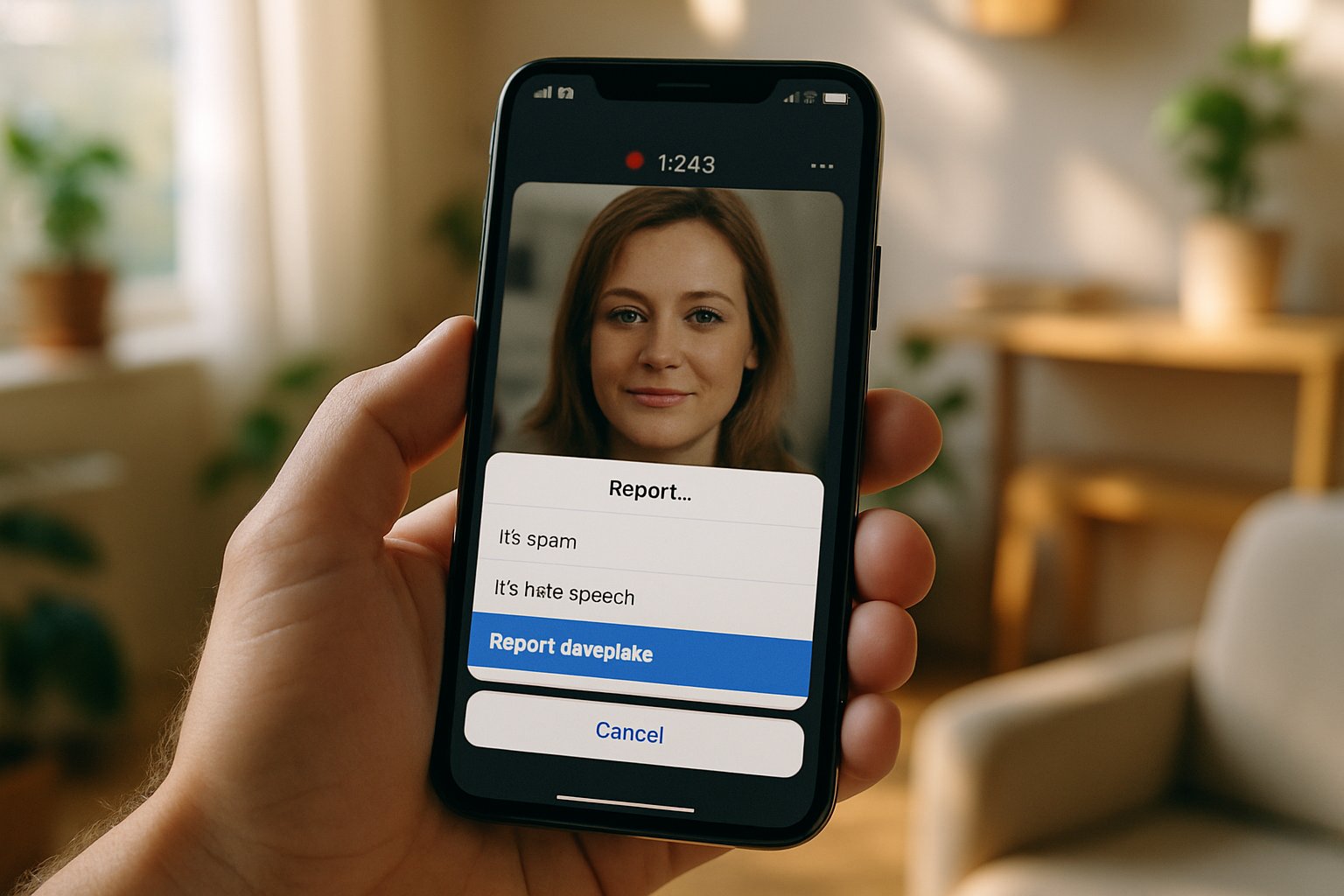
Denmark Deepfake Legal Milestone
On 26 June 2025, Denmark announced a broad parliamentary agreement targeting reality-near Deepfake abuses. Moreover, Culture Minister Jakob Engel-Schmidt declared, “All should have the right to their own body, voice and facial features.” The ministry published the draft bill in committee papers during summer 2025, setting the stage for consultation and readings.
International coverage followed quickly. The Guardian, AP, and Time highlighted the proposal’s unprecedented scope. In contrast, earlier national measures elsewhere focused mainly on non-consensual explicit images or elections.
These developments underscore Denmark’s intent to lead. Nevertheless, the bill still awaits formal enactment after committee scrutiny. Professionals should therefore track any amendments.
Key takeaway: Denmark positions itself as a regulatory pioneer. Consequently, similar debates may accelerate across Europe.
Core Likeness Rights Mechanics
The draft inserts two exclusive rights into the Copyright Act. Firstly, Section 65a covers performers. It bans public sharing of AI-generated imitations of an artist’s performance without consent. Secondly, Section 73a extends comparable Likeness Rights to every natural person. Both run until 50 years after death.
- Section 65a: Performer protection, consent required, 50-year post-mortem term.
- Section 73a: General protection for any person’s face, Voice, and Appearance, identical term.
- Remedies: Injunctions, takedowns, and monetary compensation modeled on existing copyright tools.
- Exceptions: Parody, satire, and journalistic uses remain permissible when clearly transformative.
Moreover, the draft excludes criminal sanctions for ordinary users, preferring civil routes. Consequently, claimants can leverage familiar procedures, potentially speeding takedowns.
Key takeaway: The bill repurposes established copyright machinery. However, courts must still interpret “reality-near” imitations and exceptions.
Protection Scope And Duration
Coverage extends beyond celebrities. Any citizen gains control over digital reproductions of their Voice or Appearance. Additionally, performers receive distinct safeguards for creative renditions. Critics acknowledge the generous 50-year post-mortem term, noting that likeness concerns often persist after death.
Supporters argue the duration mirrors phonogram rights and offers consistent expectations for heirs. Meanwhile, opponents fear a chilling effect on historical documentaries or biopics produced decades later.
Key takeaway: Broad scope empowers ordinary people. Nevertheless, long duration raises archival and licensing complexities.
Balancing Speech And Satire
Freedom-of-expression scholars welcome the parody carve-out yet remain cautious. Professor Evert Stamhuis warns that line-drawing will prove difficult. For instance, a satirical Deepfake of a politician might also misinform voters. Consequently, courts will weigh public interest, artistic value, and potential harm.
Moreover, the evidentiary burden looms. Plaintiffs must show the imitation is “reality-near” and non-consensual. Defendants claiming satire must demonstrate transformative intent. Therefore, early jurisprudence will shape practical boundaries.
Key takeaway: Carve-outs exist, but litigation will test them. Subsequently, guidance from regulators could reduce uncertainty.
Platform Duties And Enforcement
The proposal leverages platform liability provisions. Notice-and-takedown orders would compel swift removal of infringing Deepfake content. Furthermore, the ministry signaled “significant fines” for non-compliant services. Denmark intends to promote aligned rules during its forthcoming EU Presidency.
However, cross-border hosting complicates matters. Content uploaded outside Denmark may evade domestic orders unless cooperation frameworks exist. Platforms will consequently rely on automated detection, watermarking, and provenance signals.
Professionals overseeing compliance may pursue the Chief AI Officer™ certification to strengthen governance programs.
Key takeaway: Effective enforcement hinges on platform collaboration. Meanwhile, technical standards will determine practical success.
EU Context And Impact
Denmark’s initiative intersects with the Digital Services Act and the AI Act. Moreover, Copenhagen aims to export the model across the Union. Supporters believe harmonized Likeness Rights would streamline cross-border takedowns. In contrast, some member states may resist over fears of stifling innovation.
Comparative observers note that South Korea regulates non-consensual porn narrowly, while the United States relies on patchwork state privacy statutes. Consequently, Denmark’s copyright-style route represents a novel third path.
Key takeaway: Brussels will watch Danish outcomes closely. Subsequently, broader EU adoption remains plausible but uncertain.
Next Steps For Professionals
Legal teams should map potential liabilities arising from user-generated Deepfake uploads involving identifiable individuals. Additionally, platform architects must bolster detection pipelines capable of flagging Voice and Appearance synthesis. Policymakers are advised to monitor parliamentary amendments and forthcoming guidance on parody thresholds.
Professionals seeking deeper expertise can enhance credentials through the linked Chief AI Officer™ program, which covers governance, ethical AI, and regulatory alignment.
Key takeaway: Preparation now will mitigate future exposure. Consequently, proactive training and monitoring remain essential.
These challenges highlight critical gaps. However, emerging solutions are transforming the regulatory landscape.
Denmark’s draft law marries innovation with caution. It grants citizens long-term control over how technology depicts them while attempting to preserve expressive freedoms. Nevertheless, enforceability and clarity hurdles lie ahead. Continued dialogue, technical investment, and professional education will shape the eventual success of these ambitious Likeness Rights rules.
Disclaimer: Some content may be AI-generated or assisted and is provided ‘as is’ for informational purposes only, without warranties of accuracy or completeness, and does not imply endorsement or affiliation.


