

AI CERTS
6 months ago
Huawei’s JIN Bunny Teaser: Inside the Nova AI Product Push
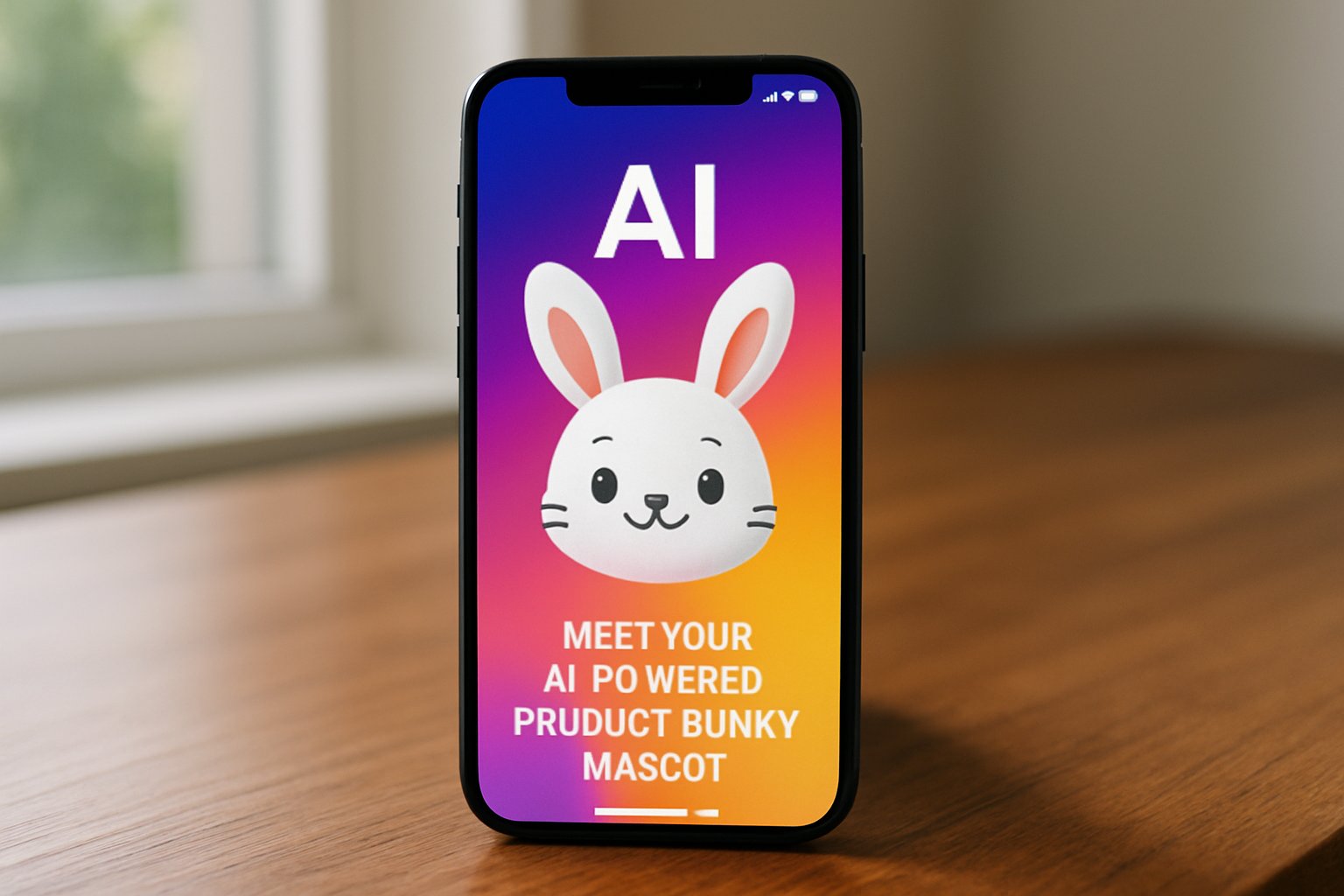
The ambiguity fuels conversation ahead of the December 22 Product Launch, where Huawei promises full disclosure.
This article unpacks context, market forces, and regulatory issues surrounding the Mysterious Product before final specifications emerge.
Furthermore, it outlines business implications and certification pathways for professionals tracking next-generation AI.
Early leaks suggest the Nova 15 will ship with HarmonyOS improvements and deeper language model integration.
However, Huawei JIN remains the talking point because companionship features drive user engagement and differentiation in crowded smartphone markets.
Consequently, investors and competitors will watch Friday’s keynote closely, hoping to gauge monetization pathways for the new AI Product.
In contrast, previous Nova launches focused on camera hardware, signalling a strategic pivot toward software-centric value.
Nova Series Teaser Details
Nova 15 marketing kicked off on Chinese social platforms in early December.
Moreover, short clips show Huawei JIN hopping across pastel cityscapes, speaking in colloquial Mandarin, and flashing emoji-like expressions.
The Bunny Robot aesthetic echoes past Nova mascots but adds an articulated array that lights up when JIN ‘listens.’
Official copy labels JIN a "trendy and cool friend" rather than an assistant.
Therefore, observers speculate that the Mysterious Product might prioritize social bonding over productivity.
Nevertheless, Huawei has withheld any screenshots of conversation interfaces, voiceprint enrollment, or avatar customization menus.
These omissions keep hype alive.
Consequently, every leaked frame invites bloggers to predict hardware docking stations, NFT skins, and cross-app linkages.
Bloggers hope the AI Product debuts with holographic overlays.
JIN’s playful reveal boosts curiosity yet leaves core technology unseen.
Subsequently, market analysts demand concrete answers during the upcoming briefing.
Companion Market Growth Drivers
The broader companion sector has expanded quickly, riding upgrades in large language models and avatar rendering.
Furthermore, a GlobeNewswire forecast pegs the market at USD 31.1 billion by 2032, marking 20.7 percent CAGR.
- TechCrunch data shows companion apps could gross $120 million in mobile revenue during 2025.
- Common Sense Media reports 72 percent of US teens have tried AI friends at least once.
- About 31 percent of surveyed teens find AI chats as satisfying as human conversations.
Moreover, growth tracks cultural shifts toward digital companionship during isolation and mental-health awareness campaigns.
Analysts therefore see Huawei JIN as an obvious retention lever for youth-oriented Nova buyers.
International brands now embed companions in watches, smart TVs, and in-car dashboards, widening the addressable base.
In contrast, Huawei still focuses on smartphones, yet JIN could later jump across device categories.
Market numbers show sustainable demand for any engaging AI Product.
However, regulators are moving fast to balance innovation with safety.
Regulatory Scrutiny And Risks
California’s SB243 will require age verification, content filtering, and incident reporting for commercial companion systems starting 2026.
Consequently, any global AI Product must align with diverse compliance frameworks from day one.
Those obligations raise the compliance bar for Huawei’s forthcoming AI Product.
Researchers meanwhile warn about suicidal content mishandling, harassment, and data leaks in leading companion apps.
Nevertheless, thoughtful safety layers can mitigate many documented harms.
For Huawei JIN, outstanding unknowns include server locations, age gates, and fine-tuned moderation filters.
In contrast, the firm’s Celia assistant already processes requests on Chinese servers with strict censorship protocols.
European regulators are drafting eSafety labeling that grades emotional chatbot behavior for minors.
Moreover, Australia’s privacy bill proposes heavy fines for companies that export intimate dialogue without consent.
These initiatives foreshadow worldwide accountability demands facing Huawei JIN.
Regulatory momentum suggests no tolerance for guesswork.
Subsequently, technical clarity becomes essential to preserve brand trust and global reach.
Technical Unknowns Around JIN
Technical architecture remains the biggest question surrounding this Mysterious Product.
Furthermore, analysts debate whether JIN will run a trimmed Pangu model entirely on-device or stream prompts to cloud clusters.
Cloud Versus Device Models
On-device inference offers lower latency and stronger privacy under China’s Personal Information Protection Law.
However, cloud delivery simplifies continuous training and larger context windows.
Battery consumption also matters because Nova aims for midrange shoppers who prize all-day power.
Therefore, hardware acceleration using Huawei’s Ascend cores or Neural Processing Unit could offset performance costs.
Hardware sensors may augment personality detection.
Therefore, leaked images of Nova 15 suggest improved microphone arrays and a rear Time-of-Flight sensor.
Such components could help the Mysterious Product recognize user context without always listening in the cloud.
Developers equally wonder about APIs.
If Huawei exposes hooks, third-party studios might embed JIN personalities in wellness, gaming, or education apps.
Such openness would mirror Apple’s Vision Pro SDK strategy, broadening the AI Product footprint beyond phones.
Unanswered technical issues overshadow mascot charm.
Consequently, commercial value hinges on performance, privacy, and developer ecosystem decisions.
Business Stakes For Huawei
Huawei’s smartphone comeback already faces supply constraints from sanctions.
Nevertheless, domestic sales climbed following the Mate 60 Pro’s surprise 5G release.
Adding an engaging AI Product could lift average selling prices without expensive silicon upgrades.
Moreover, community features can generate recurring revenue through avatar skins, memory expansions, and cross-media collaborations.
Subscription bundles might emerge, pairing extra memory depth with Huawei Music or Video services.
Moreover, limited-edition mascot merchandise could stimulate offline sales and social media buzz.
Consequently, the ecosystem approach could soften economic volatility from hardware cycles.
Competitors including Xiaomi and Oppo also explore Bunny Robot companions, signaling a wider pivot toward emotive UX.
In contrast, Apple focuses on Vision Pro spatial experiences, leaving a window for Huawei to dominate smartphone-native companionship.
Professionals can assess monetization strategies by studying in-app purchase funnels used by Character.AI and Replika.
Additionally, executives may sharpen governance skills through the Chief AI Officer™ certification.
Revenue upside appears significant if Huawei manages ethical delivery.
Meanwhile, the countdown enters its final stretch.
Countdown To Product Launch
The stage is set for Friday’s Shenzhen keynote at 14:30 local time.
Livestream links will publish on Huawei’s Weibo and official site hours before the event.
Reporters plan real-time translations because global fans crave rapid confirmation of specifications and pricing.
Furthermore, stock analysts will parse every sentence for clues about production volumes and supply chain resilience.
For practitioners, three preparatory steps can maximize insight:
- Bookmark the Product Launch stream and enable alerts for real-time access.
- Draft questions on privacy, monetization, and developer access for post-event press conferences.
- Compare announced features against existing Bunny Robot platforms to benchmark differentiation.
These steps ensure professionals capture nuanced details.
Consequently, they can assess whether the AI Product meets strategic goals or remains a marketing flourish.
Tech media outlets plan simultaneous English, Spanish, and Arabic live blogs to capture Huawei’s global reach.
Additionally, influencer unboxings are scheduled within hours, leveraging early courier dispatches.
Such synchronized content amplifies launch momentum across diverse demographics.
Huawei JIN stands at the intersection of youthful branding, advanced language models, and tightening regulatory oversight.
Friday’s Product Launch should reveal whether the Bunny Robot is mere animation or an AI Product integrated into HarmonyOS.
Moreover, market data confirms strong appetite for safe digital companionship, yet policy curves remain steep.
Consequently, Huawei must pair charming design with transparent safeguards and developer pathways to capture durable advantage.
Professionals should monitor technical disclosures and pursue governance skills through certifications to steer upcoming deployments responsibly.
Continued learning positions teams to innovate responsibly amid rapid consumer adoption.
Explore next-level leadership learning via the linked Chief AI Officer™ program and stay ahead of the accelerating curve.
Disclaimer: Some content may be AI-generated or assisted and is provided ‘as is’ for informational purposes only, without warranties of accuracy or completeness, and does not imply endorsement or affiliation.


