Can You Recommend Resources To Learn More About AI Ethics And Related Conferences?


As artificial intelligence expands, learning about AI ethics is crucial for modern professionals. This comprehensive guide reviews top resources, books, and premier global conferences like ACM FAccT 2026. It highlights the growing need for responsible governance and shows how entrepreneurs can launch high-demand corporate training businesses through the AI CERTs Authorized Training Partner (ATP) Program.
Table of Contents
- The Ethics Gap: Why Basic Software Tutorials Are No Longer Enough
- Premier Global Conferences to Learn About AI Ethics and Governance
- What Traditional Internet Blogs Completely Miss About AI Ethics
- Case Study: The OpenAI Partner Summit 2026 Governance Milestone
- The Educational Gold Rush: Launching Your Business with AI Training Programs
- Frequently Asked Questions (FAQs)
1. The Ethics Gap: Why Basic Software Tutorials Are No Longer Enough
The surface-level advice points eager learners toward simple YouTube videos, basic introductory articles, or generic code tutorials. While those resources teach people how to run a program, they completely ignore the deeper moral, legal, and social impacts of automation. Today, companies are deploying automated systems at an unbelievable pace. However, without a clear ethical framework, these systems can cause severe harm, such as reinforcing unfair social biases, leaking private user data, or making hidden, unexplainable decisions.
The global tech community reached a major inflection point during the final weekend of June 2026. In Montréal, Canada, top international researchers gathered for the prestigious ACM FAccT 2026 Conference. This major event focused entirely on Fairness, Accountability, and Transparency in computing. The discussions made it clear that understanding automated software is no longer just a technical skill for engineers. It has transformed into an essential requirement for corporate managers, school teachers, and business owners who must keep human safety at the center of innovation.
2. Premier Global Conferences to Learn About AI Ethics and Governance
Attending or tracking major academic events is one of the absolute best ways to understand the future of tech regulation. These events bring together computer scientists, legal experts, and philosophers to tackle real-world automation challenges.
ACM FAccT 2026 (Montréal, Canada)
As highlighted during its live sessions, the ACM FAccT 2026 Conference stands as the world’s leading interdisciplinary meeting for responsible tech. This year’s sessions focused heavily on “CRAFT” proposals, which stand for Critiquing and Rethinking Accountability, Fairness, and Transparency. Rather than just celebrating new apps, this conference evaluates the long-term material, social, and environmental costs of massive data centers. It teaches professionals how to build structural counter-powers and community-led audits to keep large technology firms accountable.
5th International Conference on Ethics of Artificial Intelligence (Zagreb, Croatia)
Another historic milestone concluded at the University of Zagreb. The 5th International Conference on Ethics of Artificial Intelligence (5ICEAI) brought together global ethicists in a hybrid format. The final sessions focused deeply on responsibility gaps in automated decision pipelines. The conference highlighted that when an automated system makes a mistake in a high-stakes environment—like a hospital or a court—organizations cannot simply blame the code. Human managers must maintain meaningful control and take ultimate legal responsibility.
AIES 2026 (Malmö, Sweden)
For professionals looking ahead to the fall, the upcoming 9th AAAI/ACM Conference on AI, Ethics, and Society (AIES 2026) will take place from October 12 to October 14, 2026, in Malmö, Sweden. This major global event is currently accepting groundbreaking research papers, including new methodologies like “AI From the Margins.” This approach studies how the lived experiences of minoritized communities can actively reshape the design goals of an automated system before the software is ever built.
3. What Traditional Internet Blogs Completely Miss About AI Ethics
If you search the web for recommendations on how to learn about responsible tech, most blogs just give you a list of definitions. They explain what bias means or define data privacy in simple terms. What they completely miss are the harsh corporate and operational realities that companies face during real-world deployments.
First, standard blogs rarely discuss the “explanation theatre” that occurs in modern corporations. This happens when a company uses automated tools to generate complex, confusing technical summaries that look like an explanation but actually hide how a decision was made. True professional education must teach workers how to demand real, contestable transparency.
Second, common online resources fail to cover the hidden data trail. For instance, recent research highlighted at international forums revealed that popular public datasets often contain deeply invasive information, such as private medical ultrasounds, names, and locations, completely without the users’ knowledge. Learning real ethics means understanding how to audit raw data sources before feeding them into a commercial model.
4. Case Study: The OpenAI Partner Summit 2026 Governance Milestone
To see how these abstract ethical rules apply directly to high-value businesses, we can look at a groundbreaking enterprise announcement. Global management and technology consultancy Capco, a Wipro company, received the prestigious AI Governance & Risk Excellence Award at the OpenAI Partner Summit 2026 in San Francisco. This case study provides a perfect real-world example of how safety and commercial success work hand in hand.
This major industry milestone offers three unique insights for any enterprise leader or educational business owner:
- The Shift to Explainable Next-Best Actions: Capco won the award because of their retail banking solution called Sentra, which uses digital twin technology. Instead of letting software make blind choices, Sentra identifies vulnerable customers and provides clear, explainable recommendations that human frontline teams can easily understand and double-check.
- Scaling Safely in Regulated Spaces: Many companies are afraid to use advanced technology because of strict government rules. This case study proves that when an organization balances innovation with intense risk management, they can deploy frontier tools safely, even in highly regulated fields like banking, healthcare, and energy.
- Building Deep Ecosystem Trust: Capco was an early strategic partner with OpenAI, working closely on emerging enterprise capabilities since 2025. This shows that the most successful tech partnerships are built on a shared foundation of trust, compliance, and responsible design, rather than just chasing raw processing speed.
5. The Educational Gold Rush: Launching Your Business with AI Training Programs
The incredible findings from ACM FAccT 2026 and the OpenAI Partner Summit make one market truth undeniably clear: the corporate world is facing a massive upskilling crisis. Executives, compliance officers, developers, and everyday office workers all need to learn how to manage these automated tools safely. They are actively searching the market for structured, vendor-neutral AI training programs. This massive educational bottleneck represents an extraordinary commercial opportunity for smart entrepreneurs, existing IT schools, and corporate consultants.
Building a complete educational system from scratch is incredibly difficult. It requires immense financial capital, months of intense curriculum development, and constant updates every time a new technology drops. The fastest, most reliable, and highly profitable path to capture this exploding market is to join an established global brand. When you choose to become a partner through the official AI CERTs Authorized Training Partner (ATP) Program, you can launch a premium technology training business immediately.
AI CERTs provides an unmatched international infrastructure that gives your local business instant market authority, featuring:
- 115K+ Active Learners globally who trust and hunt for these specialized career credentials.
- 200+ Expert Trainers who constantly update the coursework to reflect real-time tech and legal shifts.
- 72+ Specialized Certifications meticulously mapped to high-value corporate roles across multiple industries.
- 300+ Active Partners successfully scaling their commercial operations across 90+ Countries.
By enrolling your organization as an authorized training partner, you completely bypass the slow, costly development phase. Your team receives top-tier student textbooks, comprehensive instructor guides, and official exam vouchers. This allows your sales force to focus 100% of their energy on marketing and signing up lucrative corporate clients, while a proven global pioneer handles the complex backend testing and certification updates.
6. Frequently Asked Questions (FAQs)
What are the most recommended conferences to learn about AI ethics?
The top international conferences include ACM FAccT (Fairness, Accountability, and Transparency), which held its 2026 meeting in Montréal, Canada; the 5ICEAI conference hosted by the University of Zagreb; and the upcoming AIES 2026 conference scheduled for October in Malmö, Sweden. These events bring together the world’s leading minds to discuss responsible tech governance.
How can my company join the AI CERTs Authorized Training Partner (ATP) Program?
Educational business owners, corporate consultancies, and IT training centers can apply directly through the official AI CERTs Partner Program Portal. After a quick review of your organization’s capabilities, you gain full access to their global course catalog, training materials, and certification vouchers.
What is the difference between “explanation theatre” and true tech transparency?
Explanation theatre happens when companies use overly complicated technical jargon or automated summaries to look compliant without actually showing how a software decision was made. True transparency ensures that the automated process is completely clear, understandable, and easily auditable by everyday human managers.
Why is vendor-neutral governance training highly valued by major corporations?
Specific software tools and apps change or receive updates almost every single week. Vendor-neutral training focus on universal data logic, international privacy laws, and core ethical frameworks. This ensures that an organization’s workforce stays fully compliant, no matter what specific software brand the company uses.
What did the OpenAI Partner Summit 2026 reveal about the future of tech deployment?
The summit highlighted that commercial success now depends heavily on risk management. Winning solutions, like Capco’s award-winning Sentra platform, focus on helping human workers make explainable, safe decisions in highly regulated industries rather than completely replacing human oversight with unmonitored code.
Recent Blogs

FEATURED
Which Organizations Offer Automation Certification Programs?
July 1, 2026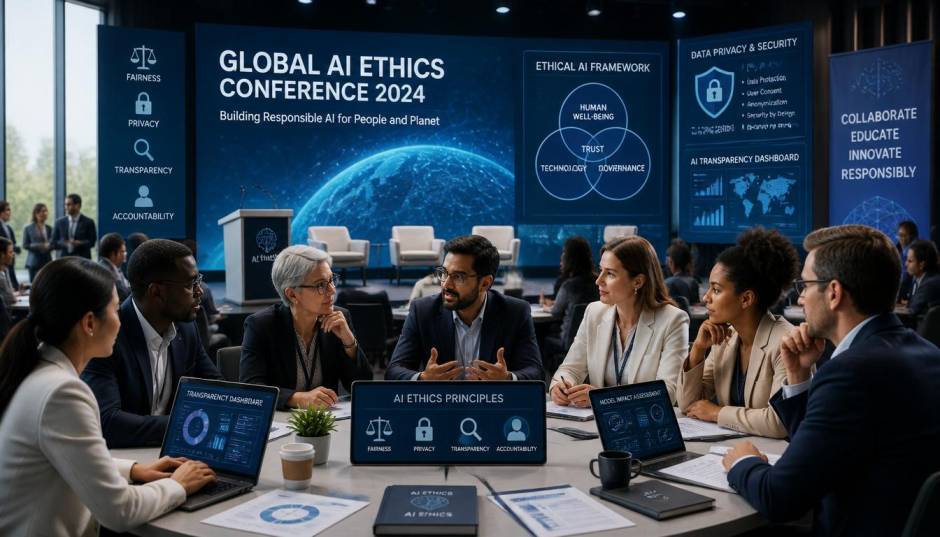
FEATURED
How Is OpenAI Funded And What Is Its Stated Mission?
July 1, 2026
FEATURED
What Online Courses Are Best For Teachers’ Professional Development?
July 1, 2026
FEATURED
Which Certifications Best Advance A Pro Engineer In 2026-27 And Beyond?
July 1, 2026
FEATURED
Recommended Free and Paid Resources to Start Your AI Professional Journey
July 1, 2026