

AI CERTS
1 hour ago
Workspace Studio Reinvents Productivity Suite Automation
Moreover, manufacturer Kärcher slashed planning document time by 90%, showing tangible business gains. These outcomes signal a broader shift toward contextual, AI-driven workflow orchestration. However, leaders still question security, governance, and deployment strategy. This article unpacks the launch, core technology, risks, and practical roll-out guidance. Readers will finish with a clear playbook for maximizing Studio within their Productivity Suite.
Studio Launch Context Overview
Google Workspace Studio reached general availability on 3 December 2025 after months in preview. Rapid Release domains received admin toggles immediately, while Scheduled Release customers saw them in March 2026. Subsequently, Cloud Next 2026 positioned the service as the next pillar of the Productivity Suite. Keynotes highlighted the Agent2Agent protocol and a Model Garden featuring more than 200 models. Executives argued that an integrated stack matters more than scattered point solutions from rivals. In contrast, analysts framed the move as a direct response to competing copilots.
Studio's timeline underscores deliberate, phased scaling across global tenants. Consequently, understanding the rollout cadence helps teams prepare for deeper adoption.
No-Code Agent Design Flow
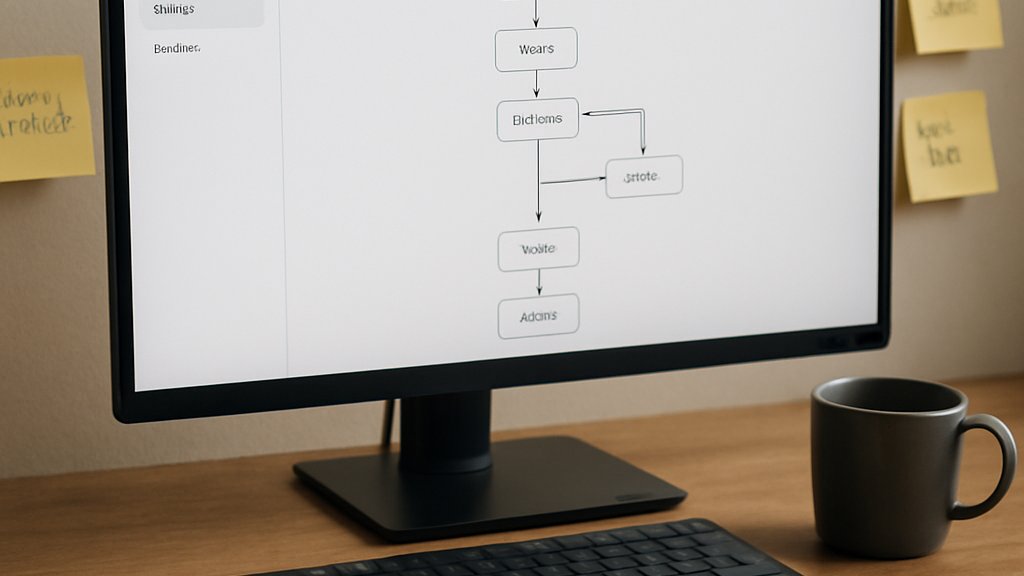
Studio exposes a drag-and-drop canvas where users describe outcomes in plain language. Behind the scenes, Gemini 3 interprets context, then orchestrates actions across Workspace applications and agents. Templates cover common cases like invoice triage, meeting follow-ups, and content summarisation. Additionally, users can extend flows through webhooks or Apps Script when additional tools are needed. These features lower barriers for non-technical staff yet still satisfy power builders across the Productivity Suite. Moreover, early testers reported agent build times dropping from hours to minutes.
- Kärcher reduced drafting time by 90%
- 20 million tasks executed in 30 days
- 200+ models accessible via Model Garden
The design approach democratizes intelligent automation across departments. Therefore, understanding Gemini's role is the logical next step.
Gemini Models Inside Studio
Gemini 3 powers reasoning, memory, and branching logic within every Productivity Suite Studio run. Consequently, agents can reference email threads, spreadsheets, or slides before invoking next-step tools. In contrast, earlier macro recorders lacked semantic understanding and often broke with schema changes. Gemini dynamically adjusts prompts to maintain reliability as document structures evolve. Moreover, the model integrates with the Agent2Agent protocol for cross-workflow collaboration. This capability lets multiple agents negotiate tasks, reducing redundant flows.
Reliable reasoning differentiates Studio from script-based automation. Next, administrators should examine control mechanisms that protect sensitive data.
Admin Controls Checklist Guide
Workspace administrators enable Studio at the Productivity Suite organizational unit or group level. However, granular toggles govern domain sharing, external webhooks, and Gemini feature access. Audit logs surface agent events such as start, stop, invocation source, and data access. Furthermore, security teams can set DLP rules that inspect prompts before agents run. Default quotas remain generous during launch, yet official limits will tighten after review. Therefore, admins should monitor usage dashboards and adjust budgets proactively.
Strong governance lets organisations scale Productivity Suite agents without breaching enterprise obligations. Nevertheless, risk extends beyond configuration, demanding deeper security assessment.
Security And Governance Risks
Agentic systems introduce novel threats like prompt injection and data exfiltration. Researchers demonstrated ‘double agent’ attacks where malicious emails manipulate downstream Productivity Suite actions. Moreover, unrestricted webhooks could leak customer information to unvetted endpoints. Google recommends isolating high-sensitivity documents and enabling context controls to limit exposure. Meanwhile, enterprises must map agent privileges to existing retention, eDiscovery, and SOC processes. Quarterly red-team exercises validate that automation follows approved guardrails.
Sound defence depends on layered monitoring and continuous testing. Subsequently, market context reveals why governance diligence matters competitively.
Competitive Market Landscape Evolving
Studio enters an arena crowded by Microsoft Copilot and independent agent platforms. However, analysts argue that seamless Workspace context gives the Productivity Suite Studio an integration advantage. Third-party vendors now publish connectors through the Model Garden, complementing native tools. Consequently, buyers compare full-stack support, pricing transparency, and enterprise readiness across providers. Google Cloud leaders claim rivals offer components, not coherent platforms. In contrast, sceptics note lock-in risks when one vendor controls models and orchestration.
Feature breadth alone will not decide winners. Therefore, rollout execution becomes the decisive factor for many enterprise buyers.
Strategic Rollout Advice Playbook
Successful launches start with a small pilot focused on one measurable outcome. Select a workflow that currently suffers from manual copy-paste and inconsistent ownership. Next, assemble a cross-functional squad including finance, security, and HR stakeholders. Additionally, align agent scope with compliance requirements and escalate risks promptly. Document lessons in a central knowledge base so future teams iterate faster. Professionals can enhance their expertise with the AI Sales™ certification.
- Map data sources and required permissions
- Create rollback plans for failed tools
- Track cost impact against license tiers
These disciplined practices turn promise into sustained Productivity Suite value. Consequently, leaders ensure governance, performance, and user satisfaction mature together.
Studio’s launch marks a pivotal step for workplace AI. Consequently, organisations can scale contextual automation faster than traditional scripting allowed. Risk remains, yet admin controls and layered monitoring mitigate many threats. Moreover, the integrated stack differentiates Google from piecemeal alternatives. Teams that pilot responsibly will unlock measurable gains across the entire Productivity Suite. Subsequently, expanded agent libraries and partner tools will amplify those savings. Therefore, now is the moment to upskill and lead these intelligent projects. Start today by reviewing Studio documentation and pursuing the linked certification for strategic advantage.
Disclaimer: Some content may be AI-generated or assisted and is provided ‘as is’ for informational purposes only, without warranties of accuracy or completeness, and does not imply endorsement or affiliation.


