

AI CERTS
2 hours ago
Thailand’s Sora Debut Elevates Generative Video UX Landscape
Sora relies on the Sora 2 model, which converts prompts into realistic clips with synced audio. Consequently, production timelines shrink, while compute budgets soar for video generation. Meanwhile, licensing deals with Disney and others hint at new revenue paths for rights-holders. Nevertheless, trademark suits and IP pushback could still slow expansion across schools and media channels. The next sections detail numbers, conflicts, and next steps for professionals following this fast-moving market.
Thailand Rollout Market Context
OpenAI named Thailand among seven initial Android markets on 4 November 2025. Moreover, the move signaled confidence in local bandwidth, mobile payments, and creative communities across Asia. App Store invites had already primed curiosity, but Android reach lifted potential user numbers dramatically. In contrast, regional competitors like Indonesia remain on the waiting list.
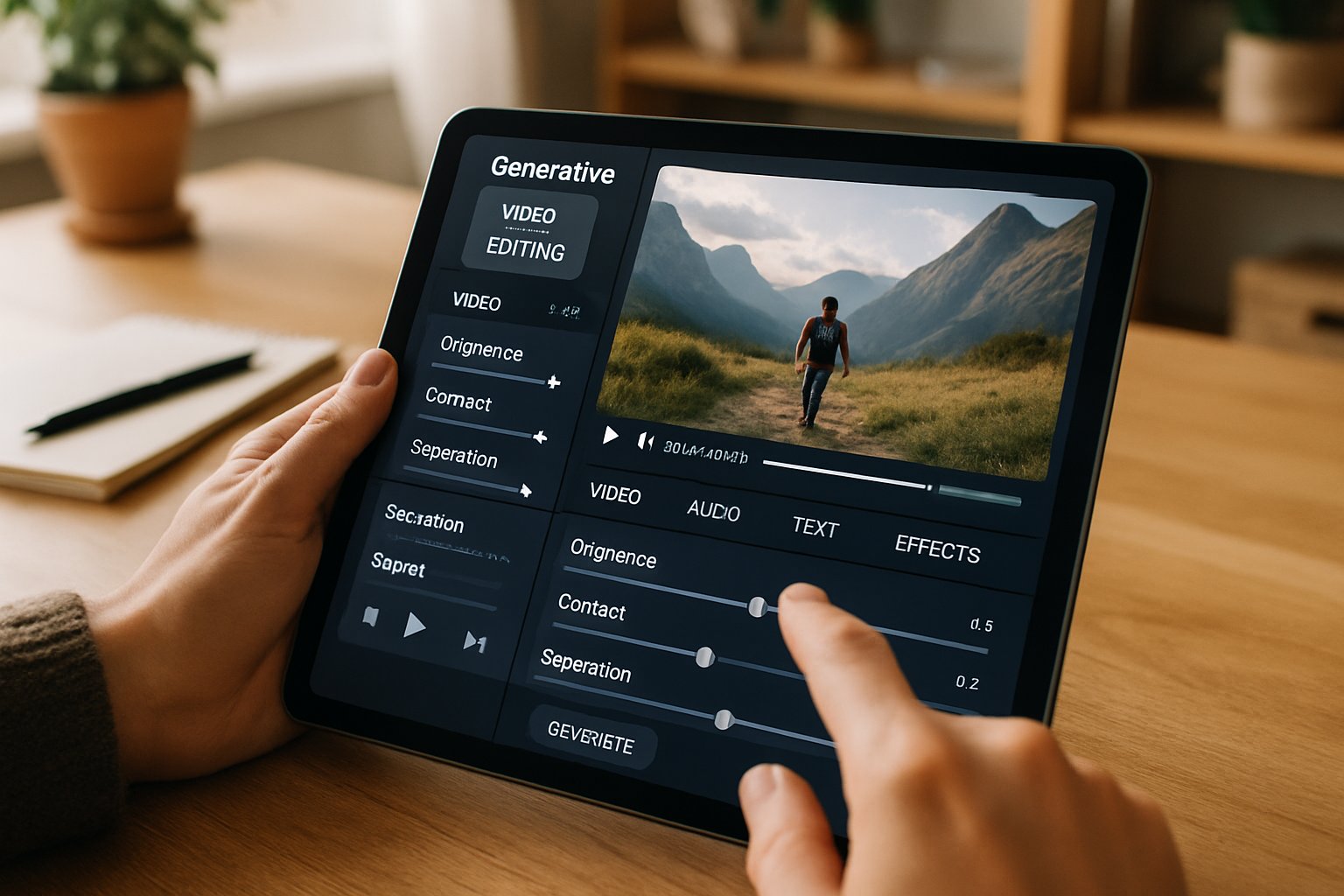
Thai media framed Sora as both a creative catalyst and a regulatory test case. Consequently, government advisers began reviewing disclosure rules for synthetic media. Local schools also watched closely because OverDrive's reading app shares the Sora brand. Generative Video UX surfaced repeatedly in policy briefings, showing how design choices influence public trust.
Thailand's early access offers real data on adoption and oversight. Consequently, the market context sets the stage for usage metrics discussed next.
Early Adoption Metrics Surge
Appfigures estimated 470,000 Android installs across launch markets on day one. Additionally, iOS downloads crossed one million within the first week. Sensor Tower noted typical novelty drop-offs yet called the spike unprecedented for creative tools and video generation. Thailand accounted for a modest but rising share, according to regional analysts.
OpenAI rationed compute by issuing pay-per-clip credits during peak hours. Therefore, per-user output stayed manageable and infrastructure costs remained predictable. Early engagement suggests clips under 15 seconds dominate usage.
- 470,000 Android installs on day one
- 1,000,000 iOS installs in first week
- Thailand among first seven Android markets
- Pay-per-clip credits during high demand
Data.ai researchers warned that initial install heat maps skew toward metropolitan Bangkok neighborhoods. Consequently, rural connectivity challenges may still limit adoption outside major Thai cities. Clear mobile UX kept first-time creators engaged despite credit limits.
These numbers show intense curiosity but fragile retention. However, legal and branding conflicts could influence future growth curves.
Legal Battles Intensify Globally
Trademark disputes erupted almost immediately after launch. Cameo secured a temporary order preventing Sora from using the “Cameo” label for character features. Meanwhile, OverDrive sued over brand confusion with its education reading app. Japanese industry groups also pressured OpenAI to curb unauthorized anime likenesses.
OpenAI responded by promising granular IP controls and potential revenue sharing. Nevertheless, scholars argue an opt-in model remains safer than opt-out allowances. Generative Video UX now sits at the intersection of design, law, and policy. Thai law firms already prepare advisory briefs for brands exploring cameo features in election advertising.
Legal turbulence underscores the importance of clear user journeys and transparent provenance. Consequently, monetization plans must adapt, which the next section explores.
Monetization And Licensing Shifts
Sora's compute costs remain steep, urging OpenAI to test tiered subscriptions and credit packs. Moreover, the firm confirmed licensing talks with Disney to legitimize video generation featuring branded characters. Sam Altman hinted at revenue splits for rights-holders who opt in. Such incentives could stabilize recurring income and reduce litigation risk for high volume content creation. Generative Video UX must therefore balance creative freedom with sustainable cost recovery.
Compute Cost Pressure Points
High-fidelity clips strain GPUs, especially when users request 4K resolution and multi-character scenes. Consequently, each video costs significantly more than a text prompt response. OpenAI limits free usage to preserve margin and deter spam. In contrast, professional tiers unlock longer clips and batch rendering. Analysts warn that uncontrolled freebies would burn cash faster than user growth. Thai cloud vendors explore caching techniques to reduce latency and cut transmission fees during peak hours. Poor UX around pricing tiers could still deter hobbyists with limited budgets.
Monetization experiments continue, informed by legal constraints and user feedback. Subsequently, local creators weigh costs against potential earnings, as the next section details.
Local Opportunities And Risks
Thai influencers adopted Sora for tourism teasers, music snippets, and fashion reels. Additionally, SMEs use quick clips to test marketing narratives before full shoots. Lower budgets make content creation far more accessible for regional startups pursuing video generation strategies. However, deepfake worries persist, especially around political figures ahead of elections.
- Impersonation of celebrities without consent
- Potential confusion with OverDrive’s school app
- Compute fees limiting experimentation
- Lack of Thai language moderation nuances
University media labs have begun testing Sora for curriculum prototypes, although licensing departments remain cautious. Local regulators study labeling mandates to deter deception and protect minors. Meanwhile, studios debate opt-in licensing for Thai dramas and music. Generative Video UX empowers creators yet raises accountability demands. Professionals may upskill through the AI+ UX Designer™ certification.
Opportunities abound, yet credible safeguards must mature quickly. Therefore, creators look ahead to long-term outlooks, covered next.
Future Outlook For Creators
Market watchers expect stable monthly active users to matter more than download spikes. Data.ai plans to release retention dashboards for interested advertisers. Moreover, OpenAI hints at Thai language prompt tuning and localized stock audio. Such steps could refine Generative Video UX for Southeast Asian storytelling.
Analysts foresee convergence between social platforms and text-to-video engines. Consequently, creators will juggle TikTok algorithms, licensing portals, and GPU budgets. Investors remain cautious until copyright settlements become clearer. Nevertheless, successful pilots in Thailand could sway other Asia regulators. Generative Video UX strategies should thus prioritize watermarking, consent logs, and equitable revenue splits.
Such localization could unlock regional advertising budgets looking for culturally resonant storytelling. Subsequently, emerging competitors will need distinctive pipelines to stand out in Asia's crowded creator economy.
Creative professionals see a future where Generative Video UX underpins daily marketing workflows. Accordingly, disciplined design and policy teamwork will dictate who captures this new value.
Thailand's Sora debut offers a living laboratory for Generative Video UX and the broader synthetic media economy. Early adoption, legal turbulence, and monetization trials all influence design teams globally. Moreover, local creators already enjoy cheaper video generation and faster content creation cycles. Nevertheless, sustained trust will depend on transparent UX, robust provenance, and fair licensing. Professionals who master Generative Video UX now can guide brands, protect rights, and secure new revenue. Explore certifications and keep monitoring policy shifts to stay ahead in this dynamic field.


