

AI CERTS
48 minutes ago
Syracuse Summit Showcases Smart Building Science
Furthermore, global smart-building spending may hit USD 121.6 billion by 2026, according to MarketsandMarkets. Precedence Research projects AI contributions reaching USD 64.95 billion in the same period. These numbers underscored the summit’s urgency. Moreover, vendor claims of 30-40 percent maintenance savings boosted confidence in rapid payback. Nevertheless, attendees acknowledged cybersecurity and workforce gaps could slow progress.
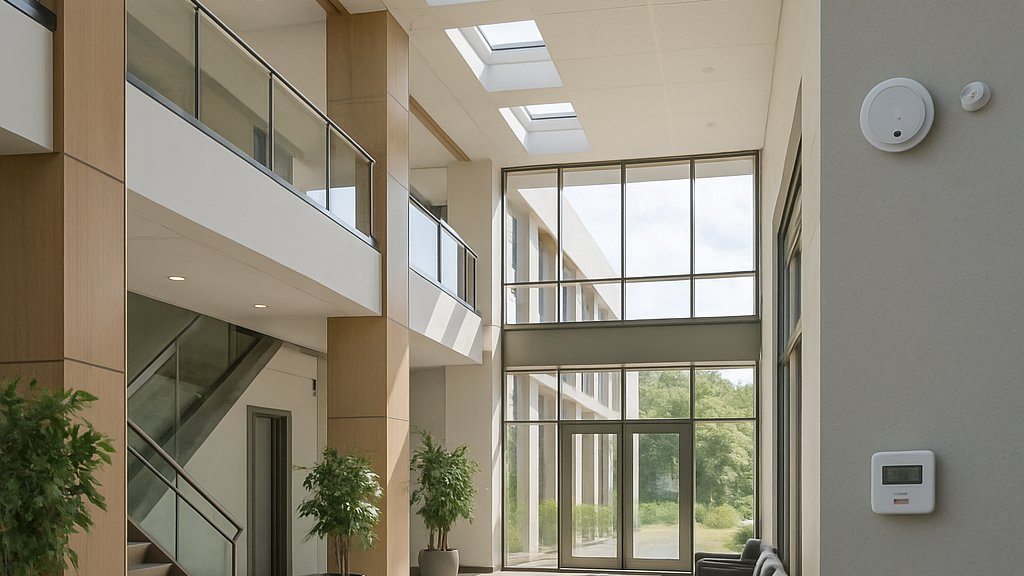
Smart Building Science Agenda
Prof. Bing Dong of Syracuse University opened the summit with clear goals. He highlighted Smart Building Science as a bridge between advanced algorithms and everyday facility operations. Meanwhile, morning sessions explored AI controls for HVAC, lighting, and occupancy comfort. Afternoon panels shifted toward grid-interactive infrastructure that supports flexible Energy Systems integration.
Participants from Carrier, Daikin, and Nantum AI shared pilot outcomes. In contrast, National Grid and NYSERDA outlined utility incentives guiding demand flexibility. Additionally, student posters showcased digital twins and edge analytics for existing stock within the Built Environment.
Speakers converged on three near-term priorities. First, refine open data standards. Second, validate business cases through shared measurement protocols. Third, cultivate cross-disciplinary talent versed in Building Science. These priorities closed the session. Consequently, organizers pledged a follow-up workshop to track progress.
These milestones frame an actionable path. However, understanding market pressure clarifies why momentum must accelerate.
Market Forces Accelerate Adoption
Global climate policy and corporate ESG mandates intensify demand for lower-carbon facilities. Moreover, volatile energy prices strengthen the economics of data-driven efficiency. Therefore, Smart Building Science solutions now sit at the center of owner strategies.
Key market indicators include:
- Worldwide smart-building revenue: USD 121.6 billion forecast for 2026.
- AI-in-buildings revenue: USD 64.95 billion estimate for 2026.
- Predictive maintenance savings: 30-40 percent reduction in unplanned service calls.
Additionally, New York policies require aggressive carbon cuts across the Built Environment. Consequently, utility programs fund sensor retrofits and adaptive controls. Syracuse University researchers collaborate with policy makers to align academic prototypes with regional Energy Systems requirements.
These forces create a receptive market. Nevertheless, technology benefits must translate into field evidence before capital flows scale.
Accelerating trends set lofty expectations. Yet practical performance determines sustained growth, as the next section explains.
Technologies Show Real Benefits
Summit case studies revealed tangible gains from Smart Building Science. Carrier engineers described physics-informed digital twins that cut chiller energy by 18 percent. Meanwhile, Daikin pilots used reinforcement learning to balance comfort and peak pricing.
Furthermore, Nantum AI leveraged occupancy analytics to drive lighting reductions of 25 percent across a Midtown office. EMPEQ showcased mobile computer-vision audits that streamline retrofit scoping. Consequently, payback periods often fell below three years.
Benefits cluster into four themes:
- Energy Systems optimization lowers bills and emissions.
- Predictive maintenance reduces downtime and asset stress.
- Occupant personalization boosts satisfaction and productivity.
- Grid services monetize flexible loads for utilities.
Additionally, digital twins enable rapid scenario testing without disrupting tenants. In contrast, legacy control tuning requires intrusive calibration. Therefore, facility managers value virtual testing sandboxes.
These results demonstrate strong upside. However, scaling solutions across diverse portfolios introduces fresh complications.
Demonstrated gains energize investors. Nevertheless, systemic barriers still demand coordinated attention, as discussed next.
Barriers Challenge Rapid Scale
Despite momentum, executives cited recurring pain points. Interoperability between modern platforms and legacy Building Science systems remains fragile. Moreover, data governance worries stall cloud connectivity for critical plant rooms.
Cybersecurity surfaced repeatedly. In contrast to office IT, operational networks control life-safety functions. Consequently, owners insist on certified secure stacks before approving deployments.
Measurement and verification inconsistency also hampers trust. Furthermore, procurement models rarely reward lifecycle performance, limiting vendor accountability. Therefore, Smart Building Science innovators push outcome-based contracts that share savings.
Addressing Workforce Skills Gap
The summit stressed talent shortages. Traditional facility teams lack AI fluency, while data scientists lack mechanical experience. Consequently, Syracuse University plans joint curricula blending algorithms with HVAC fundamentals.
Professionals can enhance expertise through the AI Architect™ certification program. Moreover, the credential reinforces cloud deployment, cybersecurity, and Built Environment context. These skills align with summit action items.
The workforce gap remains sizable. Nevertheless, structured upskilling initiatives signal positive momentum.
Certification Pathways Advance Careers
Speakers urged engineers to formalize skills. Additionally, Smart Building Science projects increasingly require documented competency for insurance and compliance purposes. Certification pathways accelerate credibility and cross-team trust.
Summit dialogues propose employer-funded vouchers tied to emission reduction targets. In contrast, current training budgets focus on traditional maintenance tasks. Therefore, modern curricula must illustrate direct ROI.
These workforce strategies complement technical roadmaps. However, wider collaboration is essential to maintain progress.
Barriers will persist without collective resolve. Consequently, attention now shifts toward long-term research alliances.
Future Research Collaboration Plans
Organizers announced a multiyear consortium. It will align Smart Building Science research with utility pilots and manufacturer roadmaps. Furthermore, the initiative will publish anonymized datasets to speed model benchmarking.
Member tiers include academic, industry, and public sector slots. Moreover, Syracuse University will host quarterly hackathons addressing Energy Systems flexibility. National Grid committed seed funding for grid-interactive demonstrations within the campus Built Environment.
Consequently, stakeholders expect iterative refinement of control algorithms under real conditions. Additionally, lessons will feed back into classroom projects, reinforcing Building Science pedagogy.
These collaboration plans promise sustained innovation. Nevertheless, clear metrics will determine their ultimate value.
Joint research structures long-term success. However, immediate actions remain vital for near-term carbon goals, as summarized next.
Section Summary: The planned consortium aligns research with deployment, ensuring Smart Building Science evolves alongside market needs. Participation offers shared data, pilot sites, and scaling support. However, success depends on measurable outcomes and transparent reporting.
Strategic collaboration sets the stage for a dynamic future. Consequently, the article now concludes with key insights and next steps.
Conclusion
The SyracuseCoE summit underscored decisive momentum around Smart Building Science. Market drivers, proven technologies, and growing policy pressure create fertile ground. However, cybersecurity, workforce gaps, and interoperability still constrain rapid scale.
Consequently, stakeholders must align standards, invest in talent, and embrace transparent performance tracking. Professionals can future-proof careers through credentials like the AI Architect™ certification. Moreover, active engagement with emerging research consortia will expand influence and insight.
Adopting these strategies accelerates energy savings, grid resilience, and occupant wellness across the Built Environment. Therefore, explore certification pathways, join collaborative pilots, and champion Smart Building Science within your organization today.
Disclaimer: Some content may be AI-generated or assisted and is provided ‘as is’ for informational purposes only, without warranties of accuracy or completeness, and does not imply endorsement or affiliation.


