

AI CERTS
1 hour ago
Spyware Forensic AI Meets Android Intrusion Logging Revolution
Moreover, the release intersects with growing demand for Spyware Forensic AI solutions that automate compromise verification. Analysts therefore view the feature as a watershed moment for mobile defensive telemetry. Meanwhile, civil-society groups helped shape requirements, underscoring its humanitarian relevance. This article dissects the technology, operational guidance, and wider business implications for security teams. Readers will learn how to enable the control and maximize investigative value. Ultimately, informed adoption can reinforce zero-trust strategies across heterogeneous fleets.
Android Security Paradigm Shift
Historically, Android logging artifacts rotated quickly, frustrating deep investigations. However, the new mechanism writes hardware-backed, tamper-resistant logs once per day. Google partnered with Amnesty International and Reporters Without Borders to prioritize defender needs. In contrast, commercial spyware vendors relied on volatility to obscure traces of illicit activity. Consequently, Spyware Forensic AI tools will now gain consistent evidence to feed correlation engines.
Eugene Liderman described the launch as persistent, privacy-preserving and transformational. Additionally, the opt-in nature supports threat-centric risk management frameworks. These developments mark a decisive evolution in mobile threat visibility.
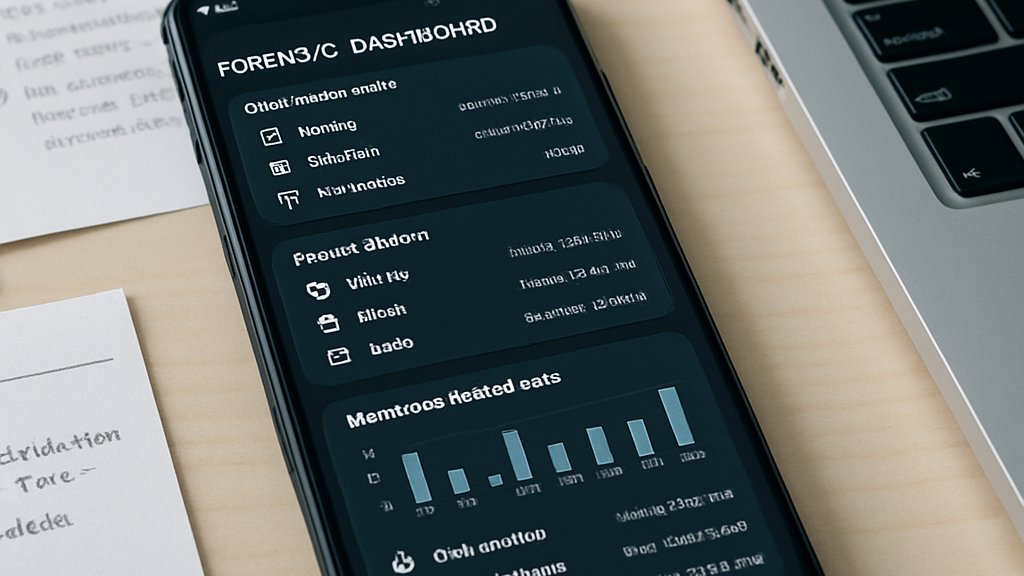
The rollout establishes durable, encrypted telemetry for defenders. Therefore, organisations can anticipate richer post-incident insights. Next, we examine the technical plumbing that enables this resilience.
How Intrusion Logging Works
At its core, Intrusion Logging collects security-relevant events across system layers daily. Furthermore, device unlocks, application installs, network sessions, and ADB usage all enter the record. Each record becomes encrypted locally through Android's hardware-backed keystore before upload. Subsequently, the packet synchronises to the user’s Google account using end-to-end encryption. Logs cannot be browsed on device, reducing manipulation risk. Nevertheless, attackers might still attempt deletion through extreme privilege exploits.
Google indicated further tamper safeguards are forthcoming in later OS versions. Amnesty's engineers validated schema choices to favour forensic completeness over battery impact. Spyware Forensic AI engines can parse the daily JSON to highlight suspicious privilege escalations automatically.
Intrusion Logging marries cryptography with minimal performance overhead. Consequently, daily evidence survives most on-device sabotage attempts. Understanding the actual data points clarifies potential investigative workflows.
Forensic Data Captured Daily
Reporters have catalogued several critical fields visible within exported packages. The following list highlights the most notable signals.
- Timestamped unlock attempts with success or failure flags
- App installation and removal actions including source metadata
- Outbound domain and IP connections observed by firewall hooks
- ADB session starts, commands, and duration
- Deletion attempts targeting log directories or critical partitions
Moreover, version identifiers allow analysts to align activity against patch timelines. Spyware Forensic AI platforms can automatically enrich these entries with threat intelligence labels. Consequently, anomaly detection accuracy should improve across federated learning deployments. Android retains these encrypted bundles for approximately twelve months, according to teardown findings. Meanwhile, users cannot shorten retention manually, pending official policy clarification.
The dataset offers unprecedented granularity for mobile forensics. Therefore, incident responders gain historical context previously unavailable. Advantages extend beyond investigators, reaching at-risk journalists and enterprises alike.
Benefits For Investigators
Legal chains-of-custody depend on evidence integrity. Because logs are hardware-backed, authenticity challenges become easier to rebut. Spyware Forensic AI correlation further strengthens courtroom arguments through timeline reconstruction. Furthermore, automatic cloud replication shields traces from factory resets. Spyware actors typically wipe devices before resale; nevertheless, residual histories now persist remotely.
Civil-society labs therefore anticipate quicker attribution of abusive surveillance campaigns. Spyware Forensic AI vendors also gain training corpora that mirror real-world intrusion techniques. Additionally, compliance teams can demonstrate proactive monitoring for regulatory audits.
Privacy And Retention Limits
Privacy advocates still voice concerns regarding sensitive browsing metadata. However, Google asserts only account holders can decrypt archives. In contrast, Apple offers no comparable user-controlled forensic snapshot presently. Amnesty advises exporting through secure channels and deleting local copies afterward. Subsequently, investigators must follow jurisdictional data-handling laws carefully.
Encryption mitigates many exposure scenarios. Still, operational discipline remains essential for safe analysis. Other drawbacks merit discussion.
Current Gaps Remaining
Coverage is limited to Pixel devices running Android 16 or newer. Moreover, corporate fleets using legacy builds cannot benefit until vendor adoption broadens. Attackers wielding baseband exploits may still erase traces before logging. Google plans additional hardware-backed safeguards yet timelines remain unspecified. Nevertheless, the present iteration already narrows attacker free rein significantly.
Adoption barriers will shrink over time. Consequently, early testers should document impact metrics for advocacy. Next, we outline practical enablement steps.
Preparing Your Device
Administrators should confirm the December Android 16 patch is installed. Afterwards, navigate to Settings > Security & privacy > Advanced Protection > Intrusion Logging. Subsequently, toggle the feature and verify Google account sync status. Users worried about spyware can then export logs via the Advanced Protection dashboard. Spyware Forensic AI dashboards will ingest exports directly, simplifying fleet-wide threat hunting. Professionals can enhance skills through the AI Security Level 2™ certification. Additionally, enterprise policies should mandate periodic export reviews and retention audits.
Simple configuration steps unlock significant investigative depth. Therefore, pilot programs should begin within high-risk user groups first. Finally, industry ramifications deserve attention.
Strategic Mobile Security Implications
Market analysts predict heightened demand for managed detection services specialising in mobile telemetry. Moreover, hardware-backed logging aligns with zero-trust mandates in critical infrastructure sectors. Spyware Forensic AI startups will likely integrate Android datasets to refine behavioral models. Consequently, venture funding could surge toward mobile threat intelligence firms. Suppliers of forensic extraction hardware must adapt, because tamper alerts may reveal usage.
In contrast, device leasing companies gain assurance against hidden spyware before asset return. Additionally, regulators may reference the feature when updating privacy breach notification rules. Meanwhile, insurers may reward deployments that integrate Spyware Forensic AI telemetry into risk scoring.
Broader ecosystems will feel ripple effects quickly. Therefore, stakeholders should monitor standardisation efforts and forthcoming legal precedents. A concise recap follows.
Android Intrusion Logging represents a landmark stride toward transparent mobile security. Furthermore, hardware-backed encryption and cloud retention transform fleeting events into durable evidence. Investigators, civil organisations, and enterprises all benefit from the richer context. Nevertheless, deployment gaps and privacy considerations require ongoing dialogue and technical refinement. Spyware Forensic AI now possesses reliable fuel for machine-learning attribution engines.
Consequently, response times will shrink while investigative confidence rises. Readers should enable Intrusion Logging today and pursue continuous education. Consider earning the AI Security Level 2™ credential to deepen expertise and champion proactive defenses.
Disclaimer: Some content may be AI-generated or assisted and is provided ‘as is’ for informational purposes only, without warranties of accuracy or completeness, and does not imply endorsement or affiliation.


